Living in Lincoln MA: Conservation, Culture & Calm
April 16, 2026
April 16, 2026
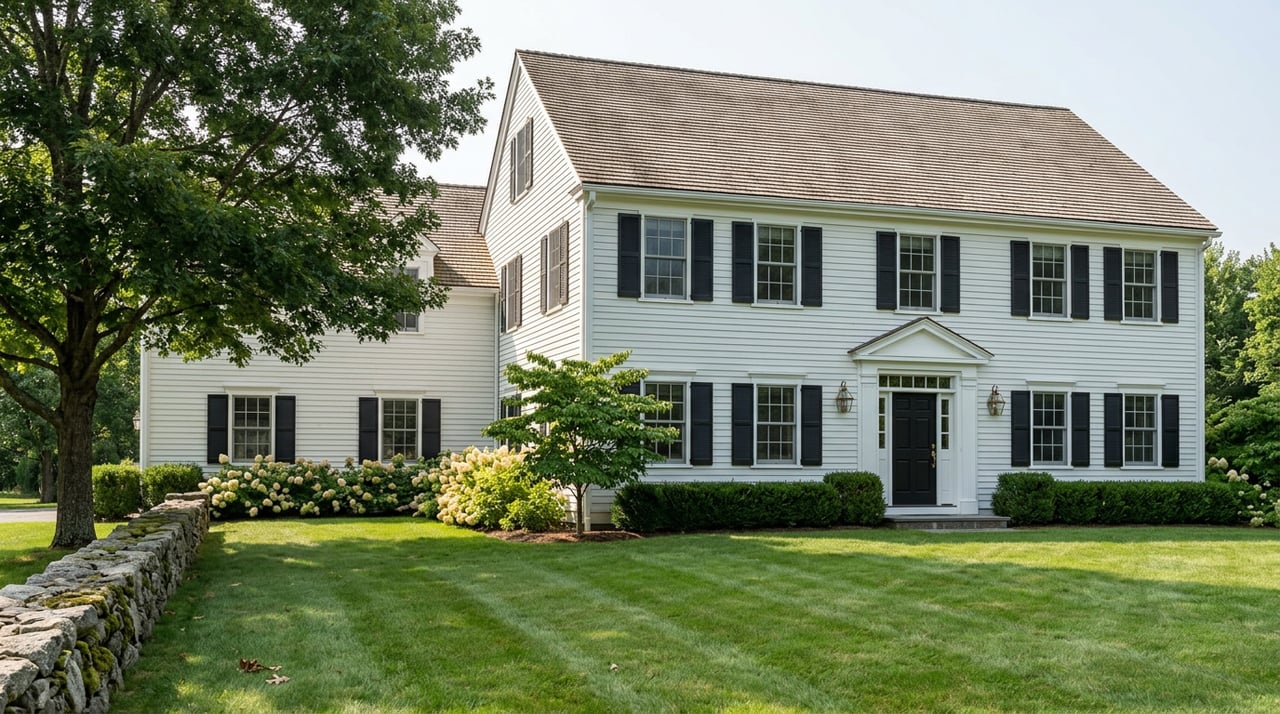
If you are looking for a Boston-area town that feels quieter, greener, and more design-conscious than most, Lincoln deserves a closer look. This is a place where conservation is not just a talking point, but a visible part of daily life, and where architecture and preservation shape the local character in meaningful ways. For buyers considering a move and sellers thinking about how Lincoln stands apart, understanding that blend of nature, culture, and civic values is key. Let’s dive in.
Lincoln is a small town in Middlesex County with an estimated 6,996 residents and 14.23 square miles of land, or about 492.9 people per square mile, according to the U.S. Census Bureau. That relatively low-density pattern helps explain why the town often feels calm and spacious compared with more built-up communities closer to Boston.
Lincoln Public Schools describes the town as a rural suburb about 12 miles west of Boston, with a community emphasis on public education, open space, diversity, and community involvement, as noted on the district’s overview page. In practical terms, that means you are looking at a community shaped less by retail corridors and more by land stewardship, civic participation, and a strong residential identity.
For many buyers, that combination is the appeal. Lincoln offers regional access, but its day-to-day rhythm is more preservation-first than development-forward.
One of Lincoln’s defining traits is its long-standing commitment to open space. The town’s Conservation Department says Lincoln has a strong and deeply rooted conservation ethic and manages 1,600 acres of municipal conservation land while supporting wetlands protection, stewardship, and environmental outreach.
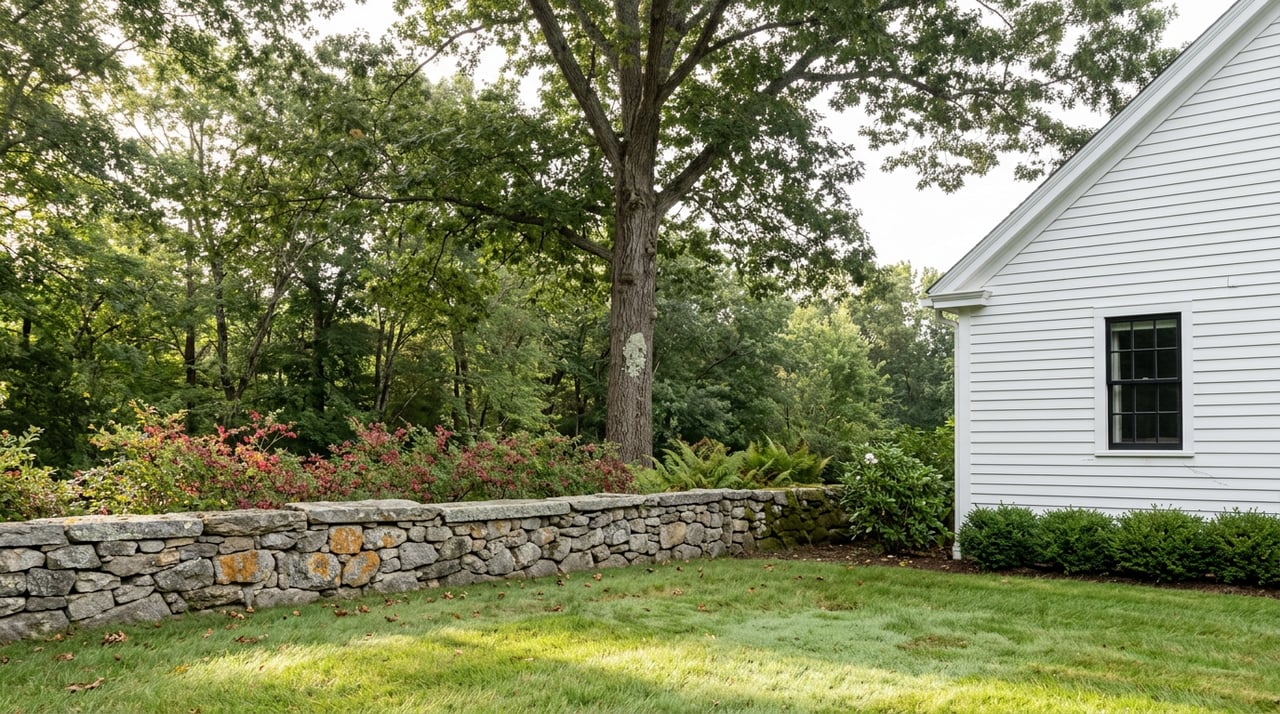
That commitment extends well beyond a few protected parcels. Lincoln’s Open Space and Recreation Plan states that nearly 35% of the town, or about 5 square miles, is protected by permanent conservation deeds or restrictions, and residents have access to more than 80 miles of trails.
This matters because it changes how you experience the town. Open space in Lincoln is not just scenery from the car window. It is woven into everyday life, from walking paths to trail connections and preserved landscapes that help maintain the town’s sense of calm.
Lincoln’s trail rules page notes that the network spans about 80 miles across 2,400 acres of conservation land and private property. These trails are used by walkers, runners, horses, bicyclists, skiers, birders, snowshoers, and even farmers using equipment.
That range of uses says a lot about Lincoln. The trail system is not a niche amenity. It is part of the town’s shared infrastructure and a major reason many residents value living here.
Lincoln’s nature-oriented identity also shows up at Drumlin Farm Wildlife Sanctuary, a 206-acre working farm and wildlife sanctuary. Mass Audubon notes that the property includes organic-principles farming, a CSA, a farm stand, and seasonal market sales.
For buyers, this reinforces Lincoln’s distinct character. Even within Greater Boston, it is unusual to find a town where protected land, active trails, and working agricultural uses all play such a visible role.
Lincoln is not only about quiet landscapes. For a town of its size, it also offers an unusually rich cultural and architectural identity.
The deCordova Sculpture Park and Museum occupies 30 acres in Lincoln and is described by The Trustees as the largest park of its kind in New England. With more than 50 outdoor sculptures on view and year-round programming, it adds a strong arts presence that complements the town’s natural setting.
That pairing of culture and open space is part of what makes Lincoln memorable. You are not choosing between nature and intellectual or creative life here. In many ways, the two overlap.
Lincoln also stands out for its architecture. Historic New England’s Gropius House page identifies the home as a National Historic Landmark and notes that Lincoln has more than 300 modern-movement homes. It also points to nearby Woods End Road, where other homes are associated with Walter Gropius, Marcel Breuer, and Walter Bogner.
For anyone who values design, that is a meaningful distinction. Lincoln’s housing story is not limited to one style or era, but the town clearly has a notable place in the region’s architectural history.
The town’s Historical Commission reviews exterior alterations and demolitions in historic districts, and it administers demolition-delay and neighborhood-conservation bylaws. That tells you preservation in Lincoln is not just cultural branding. It is part of how the town governs change.
The Codman Estate reflects that layered history as well. Historic New England describes it as a country estate with deep 18th- and 19th-century roots, and its grounds connect directly to Lincoln conservation trails.
Taken together, these details point to a town that protects both natural landscapes and built heritage. That balance is rare, and it helps explain Lincoln’s enduring appeal.
Lincoln’s housing market reflects its desirability and limited-supply feel. The U.S. Census Bureau reports a median owner-occupied home value of $1,208,200, a median gross rent of $3,168, and median monthly owner costs with a mortgage above $4,000. The owner-occupied housing rate is 57.3%.
For buyers, this signals a premium market where land, privacy, and location carry significant value. For sellers, it underscores why thoughtful pricing, positioning, and presentation matter in a town where the audience is often looking for something very specific.
Lincoln also has a longer record of housing diversity than some buyers may expect in a high-value suburb. The town’s Housing Commission says Lincoln has met the state’s 10% affordable-housing threshold for many years and reports 298 units, or 12.83% of total units, on the state inventory.
Town planning materials show that Lincoln is actively studying South Lincoln and the commuter rail area as a village center. According to the town’s Village Center Survey information, the goals include more housing diversity, stronger commercial activity, and better pedestrian and bicycle access, while also weighing density, scale, traffic, and school impacts.
That does not change Lincoln’s overall identity as a low-density, preservation-minded town. It does, however, show that local leaders are thinking carefully about how to support evolving needs while protecting what residents value most.
A common question from buyers is whether Lincoln feels too removed from the region’s employment centers. In reality, the town offers a quieter residential setting with practical commuter access.
Lincoln Station sits on the MBTA Fitchburg Line, and the town notes that commuter rail service has run continuously there since before 1850. The Census Bureau also reports a mean travel time to work of 25.8 minutes, which supports Lincoln’s profile as a town that balances calm surroundings with regional connectivity.
For professionals relocating to the MetroWest corridor or buyers moving out from Boston, that can be an important part of the equation. You can enjoy a more peaceful setting without giving up access to the broader area.
For households considering a move, understanding the school structure is often part of the research process. Lincoln Public Schools serves preschool through grade 8 across the Lincoln and Hanscom campuses, emphasizes small class sizes, and states that graduates usually continue to Lincoln-Sudbury Regional High School, according to the district’s about page.
The district also notes its long involvement in METCO. More broadly, the school system’s public materials reinforce the same themes seen across town life: community involvement, open space, and a strong civic identity.
Lincoln is especially appealing if you value tranquility, preserved land, and a strong sense of place. It tends to resonate with buyers who want room to breathe, appreciate architecture and landscape, and prefer a town where civic priorities lean toward stewardship rather than rapid change.
That does not mean Lincoln is for everyone. If your top priority is a more retail-heavy, fast-paced environment, another town may be a better fit. But if you are drawn to conservation, culture, and a more measured lifestyle, Lincoln offers a compelling mix that is hard to duplicate in Greater Boston.
Lincoln’s appeal comes from overlap, not just one headline feature. Protected land, a respected trail network, meaningful cultural institutions, notable architecture, and local preservation policies all work together to create a town that feels intentional and distinct.
For sellers, that distinct identity can be a major advantage when a home is marketed with clarity and local context. For buyers, it is a reminder that choosing a town is about more than square footage or commute time. It is about how a place feels, what it protects, and whether it matches the life you want to build.
If you are considering a move to or from Lincoln, working with an advisor who understands how to position the town’s unique character can make all the difference. Denise Mosher offers a polished, data-driven approach to MetroWest real estate with the discretion and local insight that high-value suburban moves deserve.
Stay up to date on the latest real estate trends.