Living in Weston MA: Schools, Space & Everyday Privacy
February 19, 2026
February 19, 2026
If you are looking for exceptional schools, real space to breathe, and a quiet setting within reach of Boston, Weston deserves a close look. You want a place where weekdays run smoothly, weekends feel restorative, and your home offers real privacy. In this guide, you will learn how Weston’s school system works, why lots feel so large, what the commute looks like, and where to find trails and open space. Let’s dive in.
Weston sits about 12 to 16 miles west of downtown Boston and is known for its intentionally residential character with low housing density. Its location inside Route 128 makes it a true commuter suburb with quick highway access when traffic cooperates. The town’s protected open space and estate neighborhoods create a distinct feel compared with more retail-focused suburbs. You trade big-box convenience for calm streets, mature trees, and quiet.
For a quick primer on location and history, review the overview on the town’s Wikipedia page.
Families often choose Weston for its public schools. The district operates five schools: Country School and Woodland (K–3), Field School (4–5), Weston Middle School (6–8), and Weston High School (9–12), plus an integrated preschool program. Weston also participates in METCO, a long-running voluntary desegregation partnership that brings Boston students to Weston schools. You can explore the district structure and programs on the Weston Public Schools site.
Weston High School is consistently ranked among the top public high schools in Greater Boston. Recent lists from Boston Magazine recognize strong academic outcomes, including small average class sizes, AP participation, and college placement. While rankings shift each year, the district’s reputation for academics, arts, and extracurriculars is a steady theme.
If you are considering private or independent options, Weston is also home to The Rivers School, with additional choices in nearby towns. You can confirm campus details and directions through the Rivers School Conservatory site.
Practical tip: program availability and timelines can change. For the most current information on enrollment, transportation, extracurriculars, and testing windows, contact the district directly via the Weston Public Schools page.
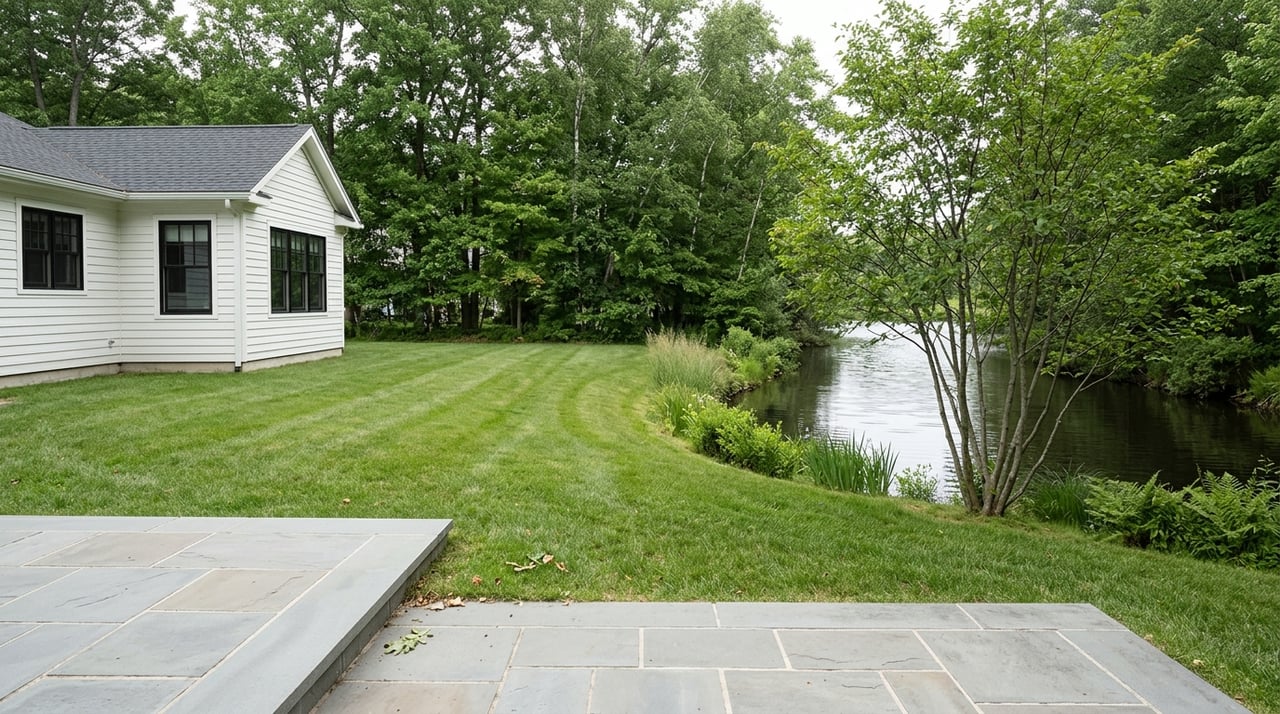
What makes Weston feel so open is not an accident. The town’s zoning sets large minimum lot sizes for single-family districts, which limits density and preserves the estate character many buyers seek. Current minimums are 60,000 square feet in District A, 40,000 in District B, 30,000 in District C, and 20,000 in District D. You can review the standards on the town’s Zoning Requirements page.
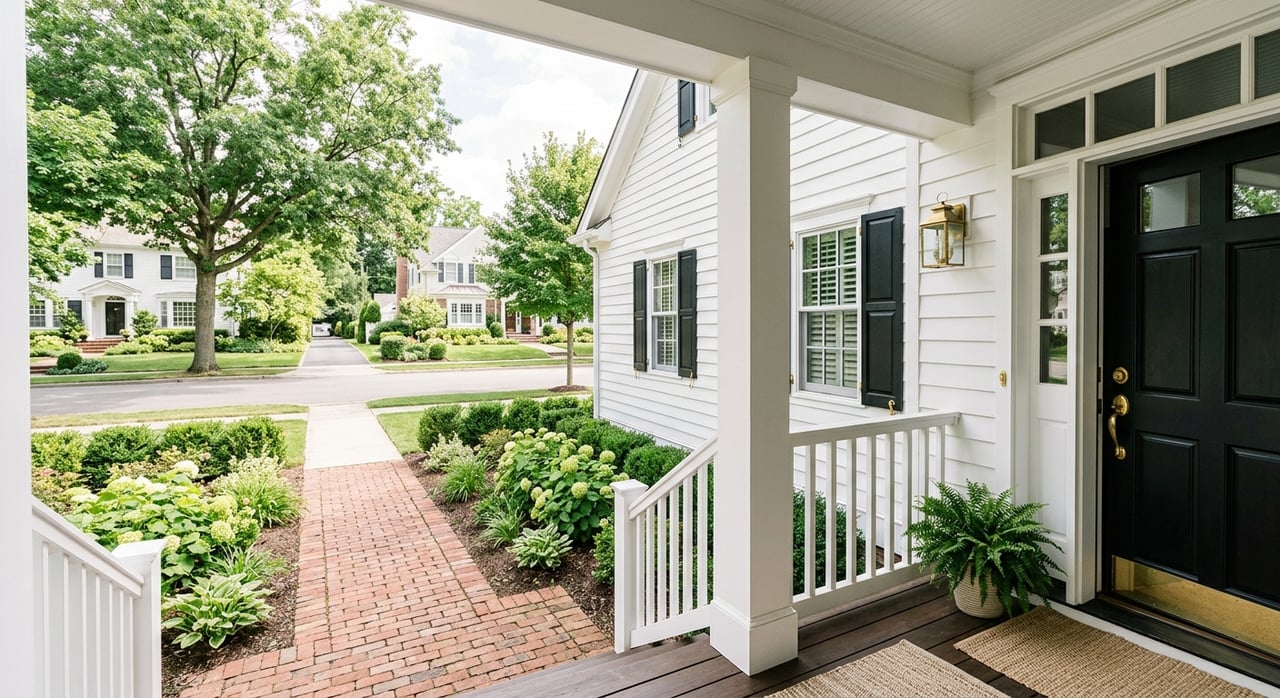
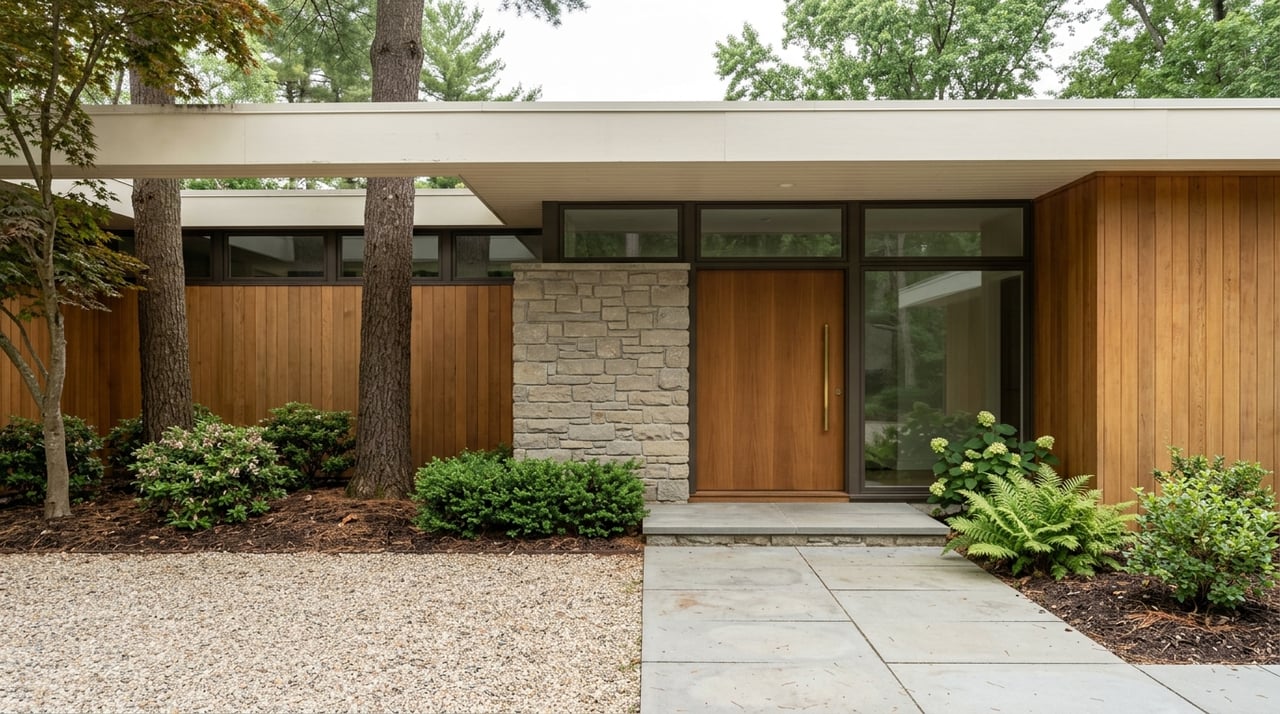
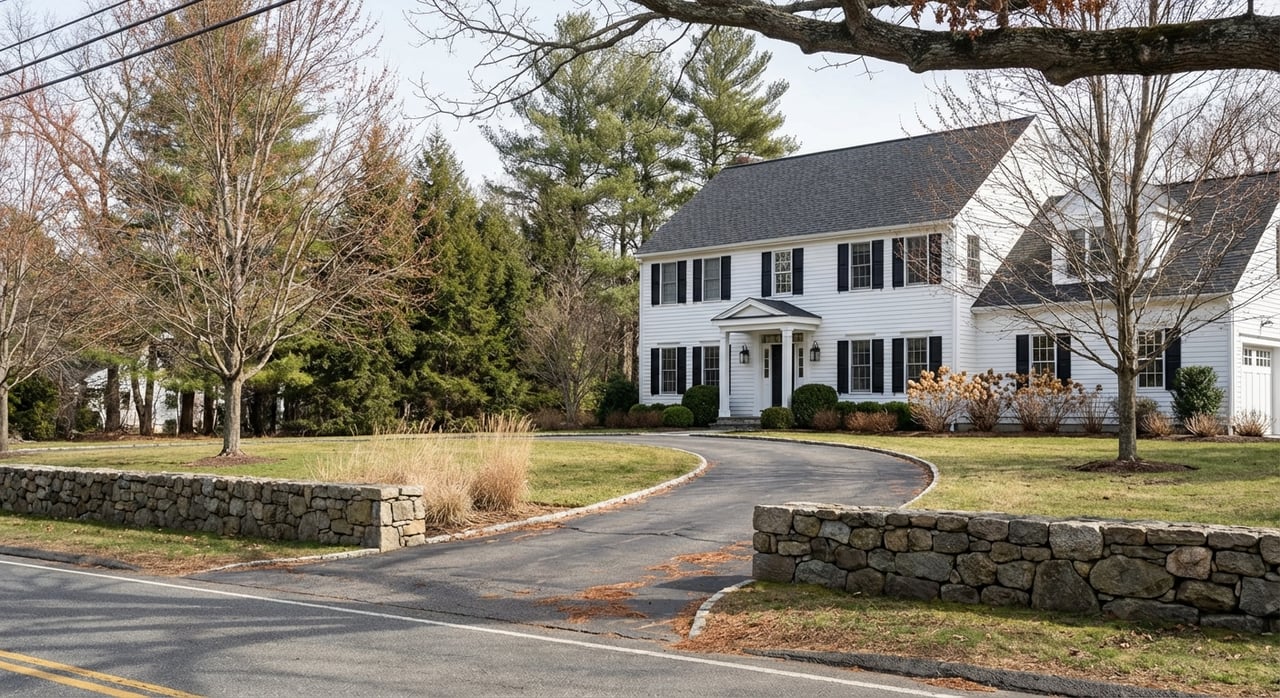
The result is a landscape of long driveways, stone walls, mature tree cover, and homes set well back from the road. Housing stock ranges from historic farmhouses and classic colonials to mid-century and recent custom builds. If you are moving from a tighter-lot suburb or the city, you will feel the difference the first time you pull into a winding driveway.
A note on ownership: larger lots often come with different maintenance rhythms than smaller-lot suburbs. Plan for landscaping, tree care, snow management for longer driveways, and, in some areas, well or septic system upkeep. If you value breathing room and privacy, the tradeoff is usually well worth it.
Weston offers a flexible mix of highway and rail options for trips into Boston and across MetroWest. The town borders I‑95/Route 128 on the east, and the Massachusetts Turnpike (I‑90) crosses the southern section. Key east–west routes include US‑20, Route 30, and Route 117. You can find a concise overview on the town’s Transportation & Access page.
Driving times vary by time of day. The roughly 15-mile distance to central Boston can take about 20 to 45 minutes or more during rush hours. Always check live traffic before you go.
If you prefer rail, the MBTA Fitchburg Line serves Weston at Kendal Green Station, with direct service to North Station on select trains. Typical scheduled express runs can be in the high-20 to mid-30 minute range, depending on the train. Schedules change, so verify current timetables before planning your commute on the town’s Transportation & Access page.
Another option for many residents is the Green Line D branch at Riverside Station in neighboring Newton, which often offers higher-frequency service. You will still drive to the station, but it can simplify peak-hour trips. For a broad orientation to Weston’s setting relative to Boston and nearby transit, see Wikipedia’s Weston overview.
Inside Weston, public transit is limited. There is no regular MBTA bus service within town, so most off-peak trips, errands, and appointments rely on a car.
If you love the outdoors, Weston is a standout. The town and local land trust partners maintain more than 2,000 acres of conservation land and roughly 100 miles of trails. That scale means you can step onto a loop trail on a weekday afternoon, take the dog for a long walk, or try cross‑country skiing after a snowfall without leaving town. You can read a recent summary of acreage and trail access in a town Conservation newsletter update.
Notable places to explore include Cat Rock and the “80 Acres” network near Hobbs Pond, Jericho Town Forest, and the Case Estates and Case Campus area with gardens and meadows. For a local flavor of what a Jericho walk is like, this Weston Owl write‑up is a helpful sampler.
Trail care is a source of community pride. The Weston Forest & Trail Association coordinates volunteer maintenance days and a Junior Ranger program that gets families involved. You can learn more on the WFTA’s program page.
Before heading out, download or review current trail maps on the town or WFTA sites and plan your route based on conditions. Many trailheads are tucked into residential areas, which adds to the quiet feel but makes a map essential.
Weston has a small village center, a library, and community facilities, but it does not have extensive retail corridors. You will find most larger grocery stores, medical specialists, and a wide range of restaurants in adjacent hubs like Waltham, Wellesley, Newton, and Wayland. Many residents view this as a plus: traffic is calm on neighborhood streets, nights are quiet, and you are still minutes from everything you need by car.
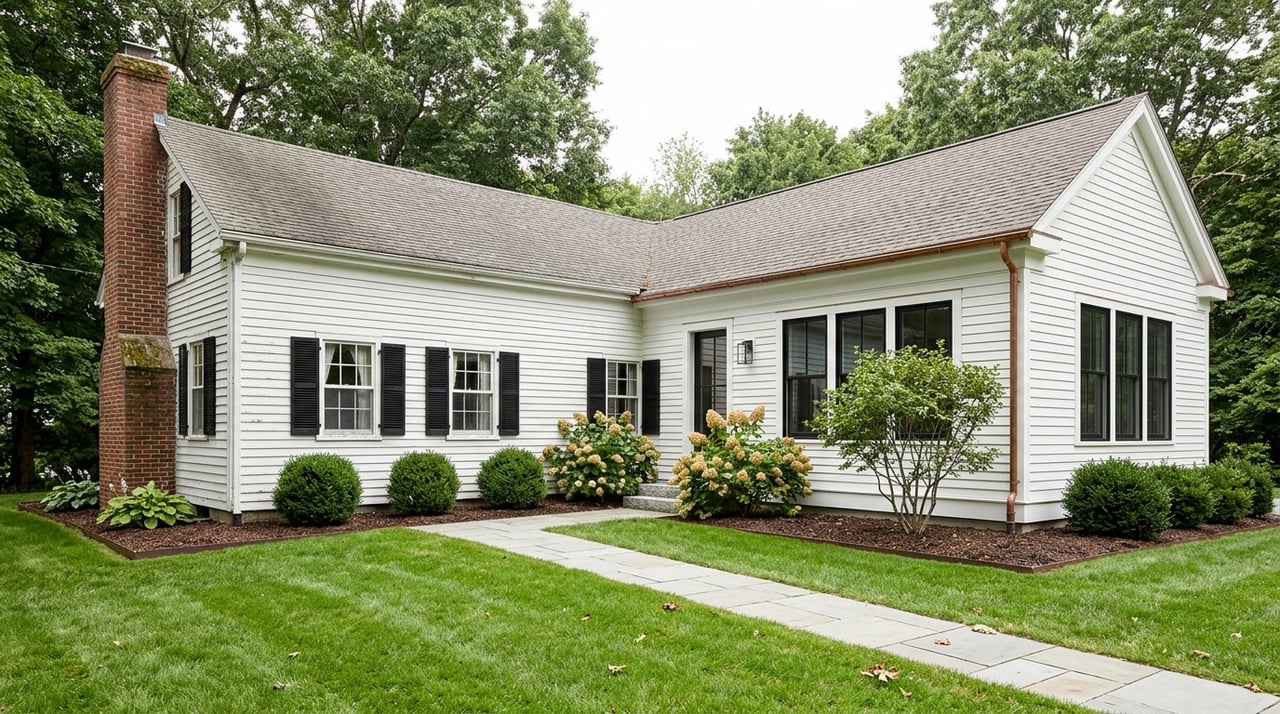
Architecturally, you will see classic New England forms as well as newer custom homes. Streets feel green and residential, with stone walls and mature trees framing the road. If you prefer a bustling downtown lifestyle, Weston will feel too quiet. If you want a retreat at the end of the day, it will feel just right.
You might be a great fit for Weston if you:
If you are weighing Weston against other suburbs, create a quick checklist:
Choosing a home in Weston is as much about lifestyle as it is about a floor plan. If you want a quiet, estate‑like setting with respected schools and quick access to Boston, Weston should be on your shortlist. If you are planning a purchase or considering a sale, it pays to work with a local advisor who understands micro‑neighborhoods, zoning, and how buyers weigh schools, commute, and land.
If you are exploring a move or would like a pricing conversation for your home, connect with Denise Mosher. Request a Complimentary Home Valuation and a plan tailored to your goals.
Stay up to date on the latest real estate trends.