You are almost at the finish line. The final walk-through is your last chance to confirm the home in Wayland is in the condition you agreed to buy. It is not another inspection, but it is a focused check for repairs, utilities, safety items, and any last-minute surprises. Use this guide to move through the home with confidence and keep your closing on track. Let’s dive in.
When to schedule and who attends
Plan your final walk-through as close to closing as possible, ideally the same day or within 24 to 48 hours. Leave enough time to fix issues without delaying closing. Most walk-throughs take 15 to 60 minutes, depending on size and agreed repairs.
You should attend with your buyer’s agent. In Massachusetts, your attorney may also attend. If you cannot be there, appoint a trusted representative and give written instructions about what to check.
What to bring
- Purchase agreement and all addenda
- Inspection report and repair list with receipts or confirmations
- Your final walk-through checklist
- Phone or camera for time-stamped photos and video
- Phone charger or small outlet tester
Wayland-specific checks to keep in mind
Wayland has a mix of larger lots, private roads, and some homes with wells or septic systems. Seasonal conditions in New England also matter. Keep an eye on driveway access, grading and drainage, and signs of roof or attic issues after storms or freeze–thaw cycles.
- Confirm whether the home is on municipal water and sewer or private well and septic. If private, verify you received records for service and inspections.
- If the property borders conservation land or wetlands, note markers and visible buffers. Contact the local commission for details if you have questions.
- In winter, make sure access is clear, heat is on, and there are no ice dams.
15-minute final walk-through checklist
Use this short checklist to stay focused. If you notice something off, take photos and alert your agent immediately.
Exterior and site
- Confirm the seller has moved out and removed personal items as agreed.
- Check driveway and walkways for safe access and obvious damage. Note drainage or pooling water.
- Look at the roofline for missing shingles and gutters that are loose or clogged. Verify downspouts direct water away from the foundation.
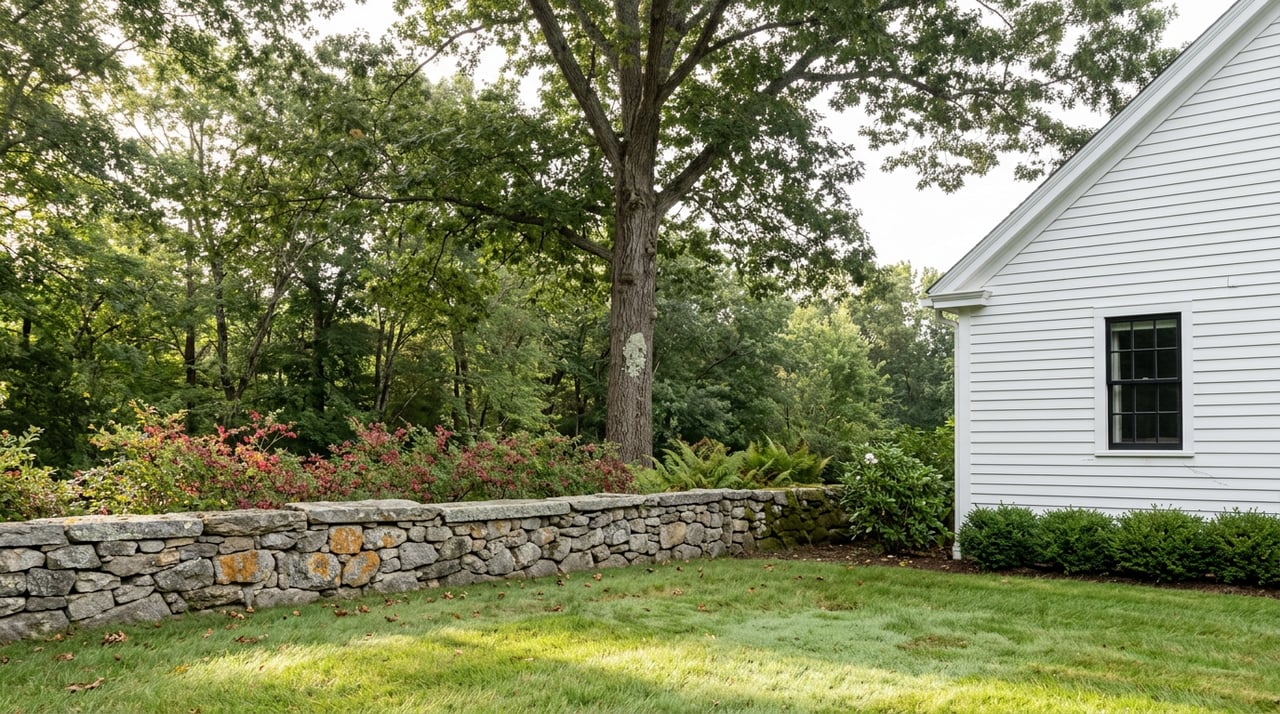
- Walk the yard. Check grading near the foundation, stone or retaining walls, gates, and fences.
- If there is a private well, locate the well cap. Verify you have recent records provided by the seller. If there is irrigation or a pool, confirm included equipment is present.
Entry, doors, and windows
- Test main entry locks, deadbolts, and any storm doors. Collect all keys and remotes.
- Open and close a sample of windows on each level. Note broken panes, seals, or weatherstripping issues.
- Confirm any storm or screen panels included in the sale are present.
Living areas and bedrooms
- Scan ceilings and walls for new stains, patches, or cracks not previously disclosed.
- Test a few outlets and switches in each room. A phone charger works well.
- Check that heating or cooling vents are unobstructed and registers are installed.
Kitchen
- Turn on the range and oven, run the microwave, and start the dishwasher briefly. Verify the model numbers match your contract.
- Run water at the sink. Check under the sink for drips or moisture.
- Confirm the refrigerator is cooling and any ice maker is functioning if included.
Bathrooms and laundry
- Flush toilets and run showers and sinks on hot and cold. Watch for slow drains.
- Turn on exhaust fans to ensure ventilation works.
- If a washer or dryer is included, test the controls if permitted. Confirm the dryer vent is connected and the gas hookup is intact if applicable.
Basement, crawlspace, and garage
- Look for signs of water entry: dampness, standing water, or musty odor.
- If there is a sump pump, confirm it appears operational and accessible.
- Note any new or significant foundation cracks.
- Test garage doors, remotes, and safety sensors.
- Locate main shutoffs for water, gas, and the electrical panel. Check that circuit labels are readable.
Mechanical systems
- Run the heat using the thermostat. If there are zones, test each one.
- If in season, run the air conditioning. If not, locate the condenser and note its condition.
- Check the water heater for leaks and visible age or service stickers.
- Confirm electrical panel covers are intact and there are no obvious burn marks.
- Test smoke and carbon monoxide alarms if permitted and safe to do so.
Attic and insulation
- Open the attic hatch and take a quick look with a flashlight. Note any water staining, gaps to daylight, or signs of pests.
- Observe insulation coverage if visible.
Rural systems and acreage items
- Septic: Walk the yard and note wet spots, strong odors, or unusually green patches near the drainfield. Verify you have the latest records. Full septic inspections should be handled separately.
- Well: Locate the pressure tank and well equipment. Confirm any provided water testing records.
- Long or shared driveways: Confirm access, visibility of shared maintenance notes, and practical snow-plow access.
Miscellaneous and move-out items
- Verify all agreed appliances and fixtures remain.
- Confirm all keys, mailbox keys, alarm codes, and garage remotes are present.
- Check that agreed repairs are completed. Match to receipts or photos.
Red flags to escalate immediately
- Active leaks, sewage odors, visible mold, or no heat or hot water
- Exposed live wiring or missing safety devices
- Locked or restricted access to critical areas without keys
- Missing agreed repairs or items removed that should remain
Documenting and resolving issues
If you find a problem, take clear photos and video with time stamps. Write a brief note on what you saw, where, and when. Share everything with your agent on the spot.
Common solutions include completing a repair before closing, holding back funds in escrow at closing, or negotiating a credit. Your agent will coordinate with the seller’s side and your attorney to choose the best path. Avoid relying on verbal promises. Get every solution in writing.
Seasonal considerations in Wayland
- Winter: Confirm plowed or sanded access, active heat, and no ice dams at eaves. Expect a safe, cleared path to the entrance.
- Spring thaw: Look for pooling around the foundation, overflowing gutters, and septic drainfield wet spots.
- Fall: Check for heavy leaf buildup in gutters and near drains. Confirm safe driveway traction after rain.
If you are closing out of season, plan a follow-up check for seasonal systems. For example, schedule an AC service in spring if you closed in winter.
Local records and utilities to verify
For property records, permits, septic and well files, and conservation matters, consult the official town and county sources. You or your agent can confirm what exists and how it affects your use.
Ready to close with confidence
A focused final walk-through gives you peace of mind before you sign. Arrive prepared, stay systematic, and document anything that needs attention. With the right plan and a quick response from your team, you can resolve surprises and keep your closing smooth.
If you want a calm, well-orchestrated path to the closing table in Wayland and across MetroWest, connect with Denise Mosher for attentive buyer representation and local expertise.
FAQs
What is the goal of a final walk-through in Wayland?
- The goal is to confirm the home’s condition matches your contract, agreed repairs are complete, and key systems function, not to perform a new inspection.
How close to closing should I do the walk-through?
- Aim for the same day or within 24 to 48 hours of closing to allow time to address any issues without delaying your signing.
What if I find a problem during the walk-through?
- Document it with photos and video, notify your agent immediately, and discuss options such as pre-closing repairs, escrow holdbacks, or credits coordinated by your attorney.
Should I test a well or septic at the final walk-through?
- Do a visual check only. Full well water testing and septic inspections are separate professional evaluations that should be scheduled before or right after closing.
What safety items should I verify in Massachusetts?
- Confirm smoke and carbon monoxide alarms are present and functional, and review requirements for your closing inspection under Massachusetts rules.
How do I check flood risk for a Wayland home?
- Search the address in the FEMA Flood Map Service Center to review flood zones and any mapped risks for the property.