Wellesley Hills vs Farms: Find Your Ideal Fit
January 15, 2026
January 15, 2026
Thinking about Wellesley but not sure whether Wellesley Hills or Wellesley Farms suits you best? You want the right mix of commute convenience, lot size, and daily lifestyle. This guide walks you through the key differences so you can match your priorities to the neighborhood that fits. You will learn how each area feels on the ground, what the commute looks like, and what to verify before you decide. Let’s dive in.
Wellesley Hills centers on a compact village with shops, restaurants, and services set next to the commuter rail station. Streets nearby feel a bit denser and very walkable for errands and coffee runs. As you move away from the village, lots generally get larger and more suburban. Neighborhood boundaries are informal, so use the Town of Wellesley’s official maps for parcel-level questions.
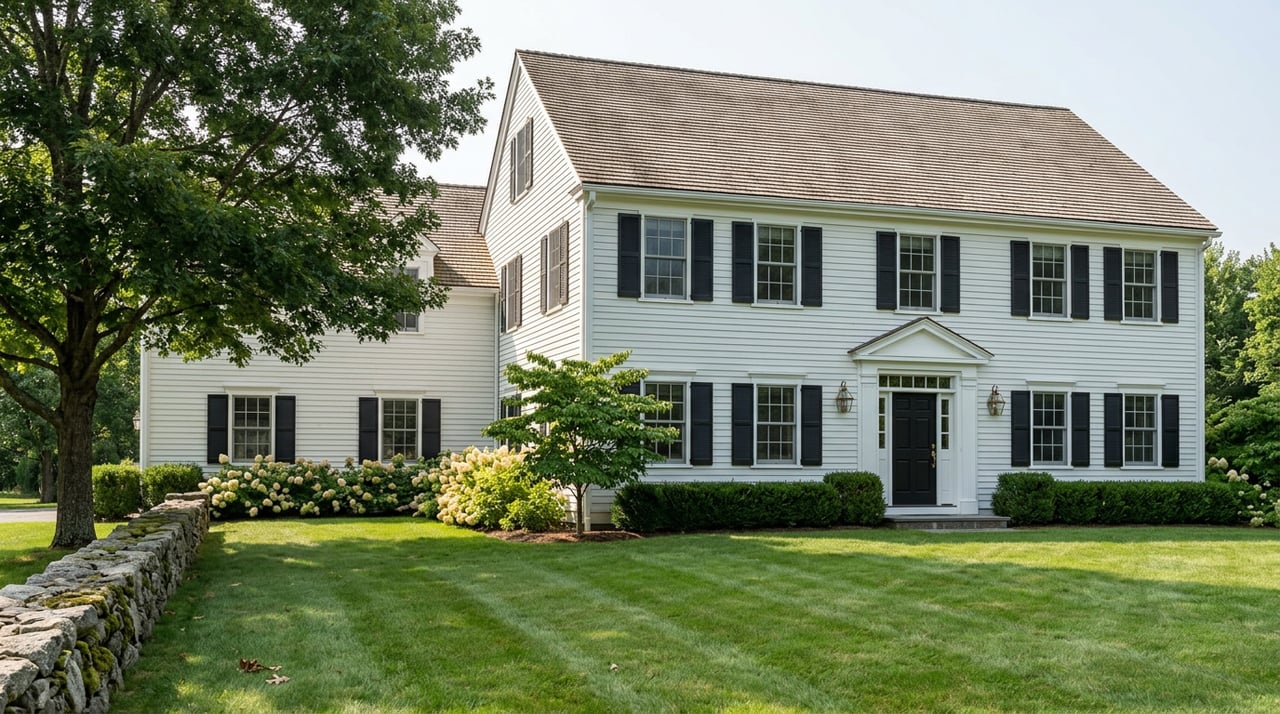
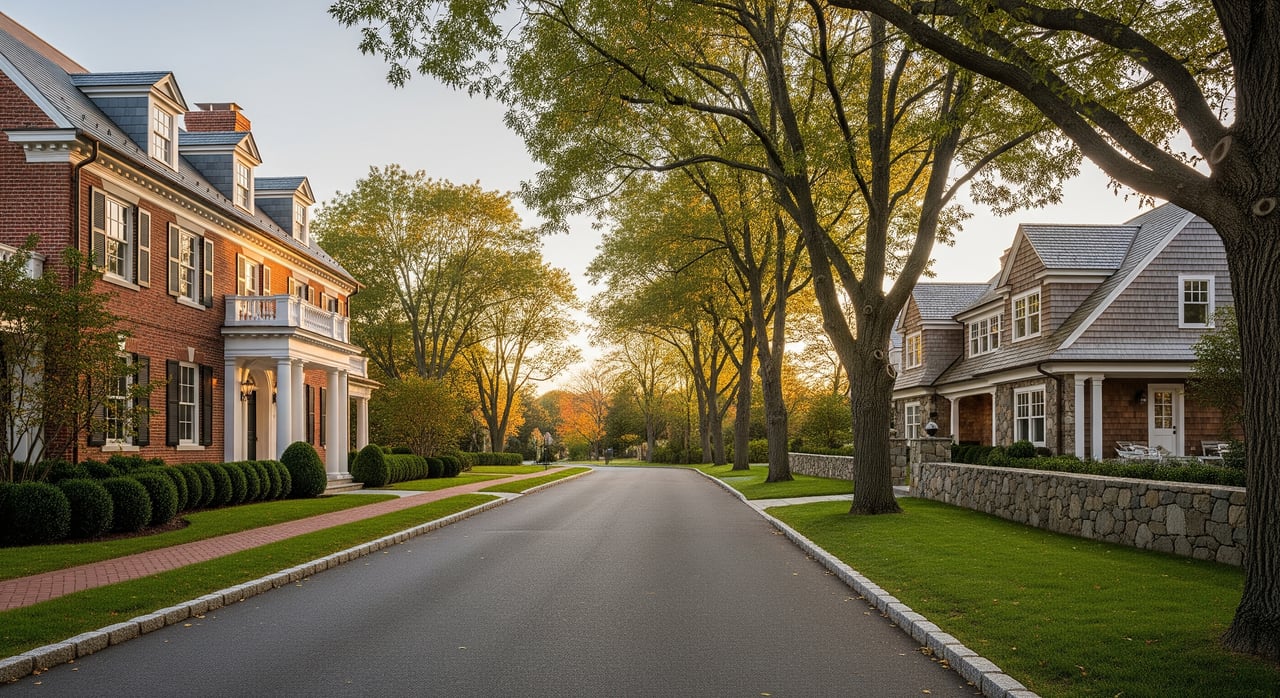
Wellesley Farms is known for a more pastoral, estate-like setting with roomier lots and a quieter village node. Expect deeper setbacks, longer driveways, and a park-like feel in many areas. Daily conveniences are accessible, but the vibe is more residential than retail-focused. As with the Hills, rely on the Town’s GIS and planning resources for exact property details.
Both neighborhoods are served by MBTA commuter rail stations on the Framingham/Worcester Line. Schedules, travel times, and parking rules change, so confirm current information on the MBTA website. Wellesley Hills station sits by the village, which often makes it an easy walk from nearby homes. Wellesley Farms station is set within the Farms area and may feel less centered around a retail village depending on your exact address.
From either neighborhood, you can reach Route 9, I-95/Route 128, and the Massachusetts Turnpike. Real drive times depend on departure time and route choice, so plan around your typical commute window and confirm with live traffic tools. Many residents use the train for predictable Boston trips and drive for Route 128 employment nodes. For roadway updates and planning resources, start with MassDOT.
Both areas have bikeable routes to town centers, but topography and sidewalk conditions vary block by block. If biking or walking is a priority, preview the route from specific homes during the times you expect to travel. Local bus or shuttle offerings can change, so confirm options with the MBTA and the Town of Wellesley.
If you want space and privacy, Wellesley Farms commonly offers larger lots and a more open, estate-scale pattern. In Wellesley Hills, you will find a wider mix: smaller lots near the village for an easy “walk-to” lifestyle and larger lots as you move out from the center. In both areas, lot size and street feel vary by block, so evaluate addresses rather than relying on labels alone.
Wellesley Hills includes late 19th and early 20th century homes with Colonial Revival, Craftsman, and Victorian influences, plus mid-century and newer in-fill. Wellesley Farms often features larger period homes, including Colonial Revival and Tudor Revival, alongside newer custom construction on substantial parcels. If you care about historic details or preservation, explore resources from the Wellesley Historical Society and the town’s historical bodies before planning renovations.
Zoning in Wellesley regulates setbacks, floor area, and other factors that shape what you can add or build. Some properties may fall under historic review or have neighborhood-specific guidelines. For renovation potential and any design review considerations, consult the Town’s zoning maps and building department on the Town of Wellesley site.
Wellesley Hills has a compact retail corridor with restaurants, coffee shops, and services clustered near the station. It is convenient for quick errands and daily routines without getting in the car. Wellesley Farms offers a quieter node and generally more driving for everyday stops, depending on your address. Wellesley Square is nearby for broader dining, shopping, and town services from either neighborhood.
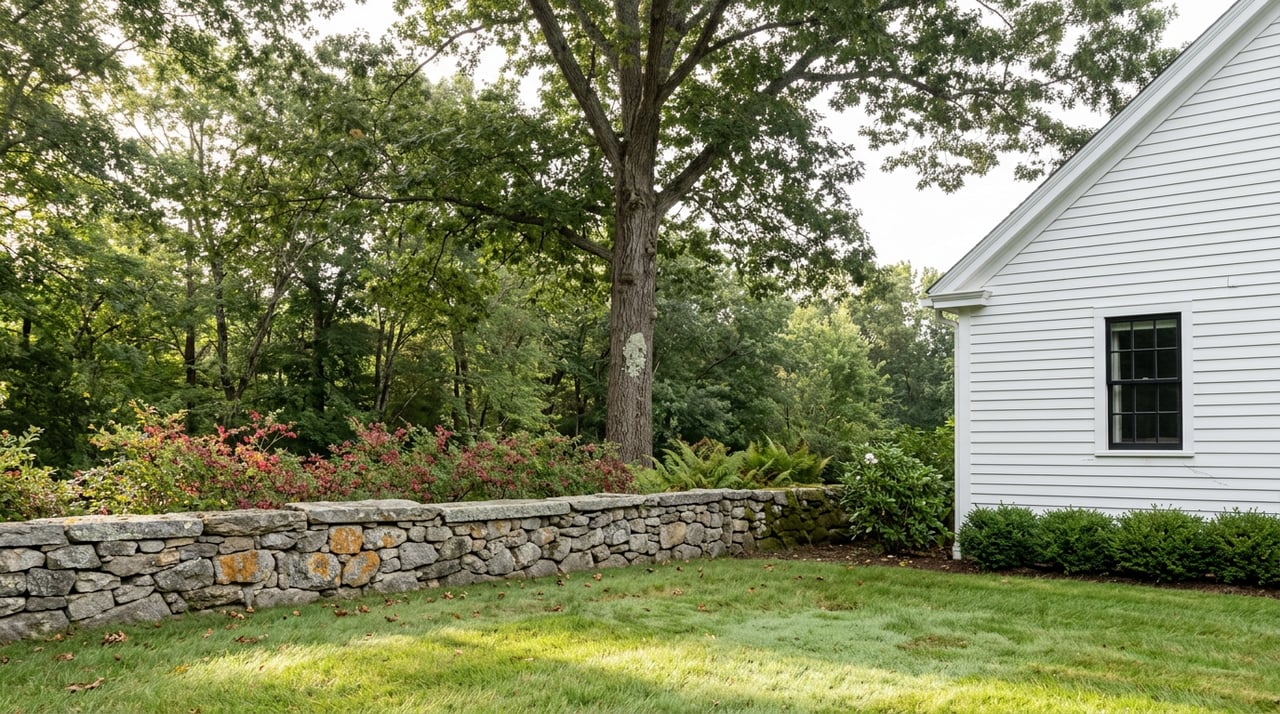
Both areas give you access to conservation land, fields, and local recreation. Wellesley values open space and offers a network of trails and green areas that vary by location. If outdoor access is important, review conservation and recreation maps on the Town of Wellesley site and walk the routes from properties you are considering.
Both neighborhoods are within Wellesley Public Schools. School assignments are parcel-specific and can change, so verify a property’s elementary, middle, and high school placement directly with Wellesley Public Schools. If private or independent schools are part of your plan, proximity varies by campus, so confirm travel times from each address.
Both neighborhoods attract steady demand, supported by commuter access and town amenities. Wellesley Farms homes often carry higher total prices per sale because lots and homes skew larger. Wellesley Hills shows wider variability, from smaller village homes to larger properties away from the center. Before you bid, verify 12-month median prices, days on market, and price per square foot for true peers, and review recent closings that match your target lot size and home style.
If you want a confident, efficient search in Wellesley, put data and local insight to work. You will get a clear view of commute trade-offs, lot profiles, and neighborhood fit, plus access to high-quality listings and a coordinated team for inspections, financing, and closing. For a discreet, analytic, and concierge-level approach to Wellesley Hills and Wellesley Farms, connect with Denise Mosher. A portion of commissions is donated to a local charity you choose.
Stay up to date on the latest real estate trends.