How Weston Luxury Real Estate Buyers Evaluate Value
February 5, 2026
February 5, 2026
Are you trying to make sense of what truly drives price for Weston’s top-tier homes? In a market where no two estates are alike, it can feel hard to separate signal from noise. You want clarity on how buyers weigh land, privacy, architecture, and lifestyle, so you can buy or sell with confidence. In this guide, you will see how luxury buyers in Weston evaluate value today and how you can use the same framework to your advantage. Let’s dive in.
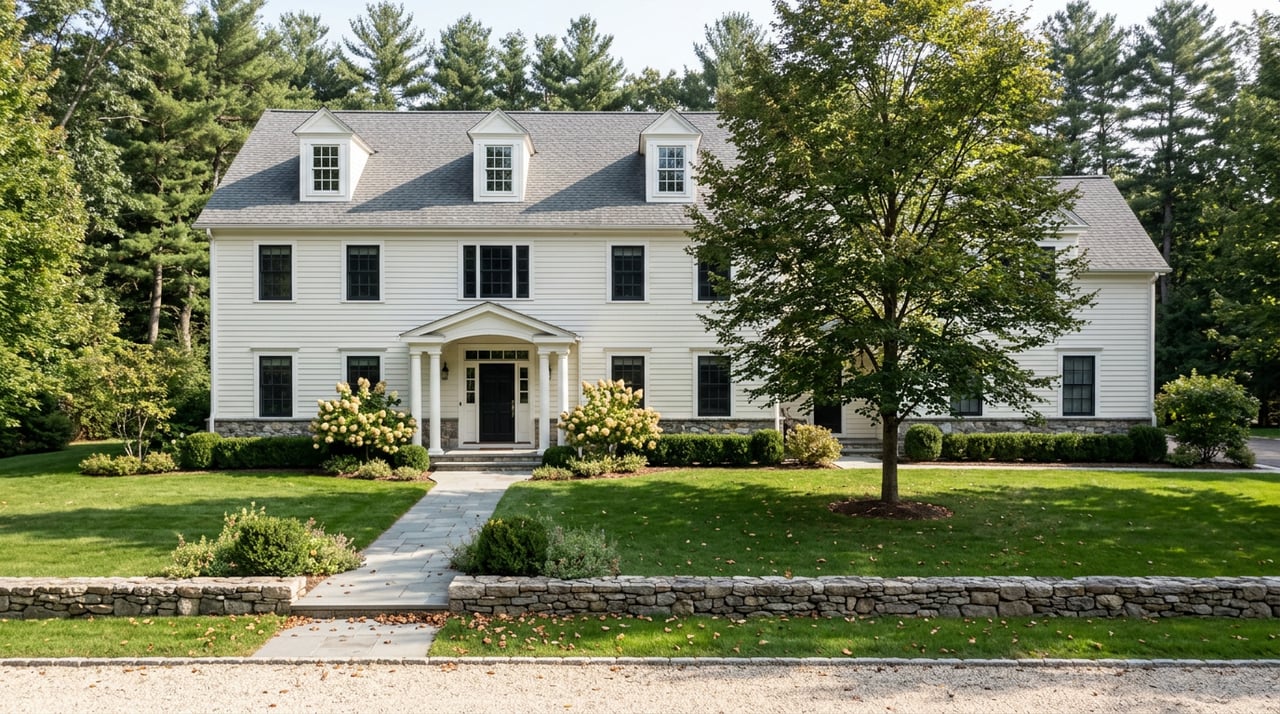
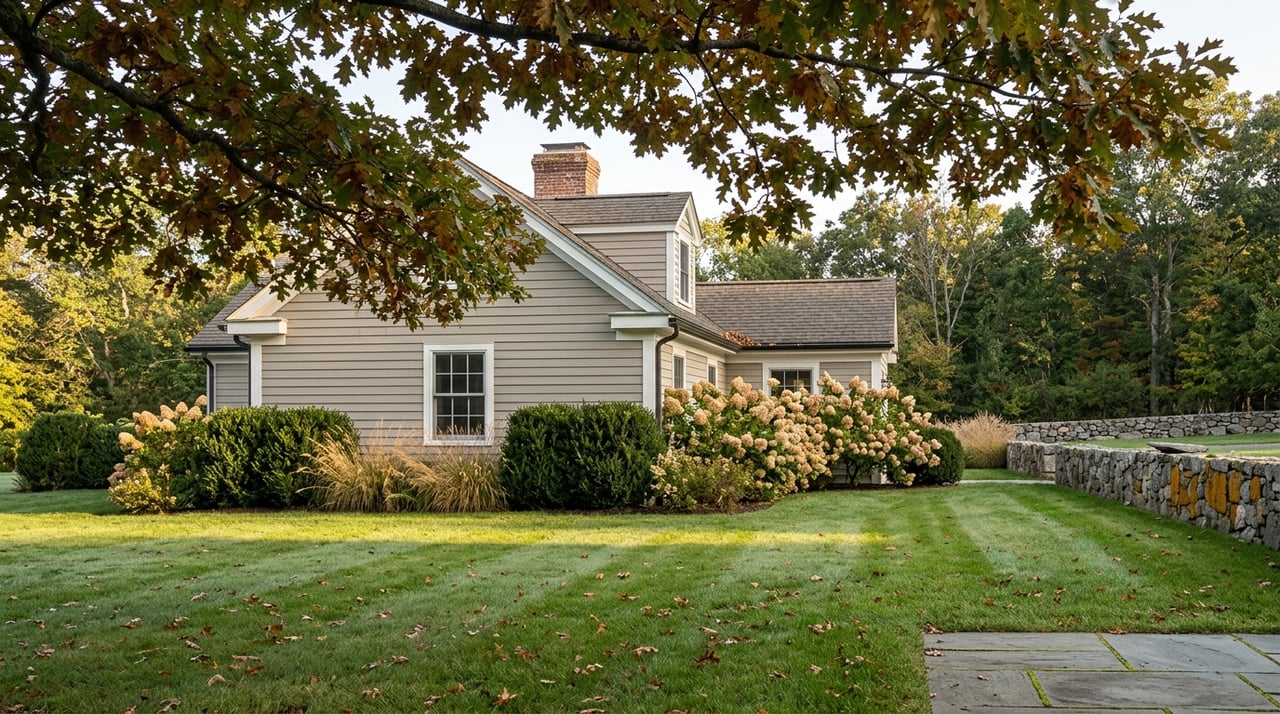
In Weston, land is more than a number on a deed. Buyers prize usable acreage, mature trees and plantings, long setbacks from the road, and natural buffers that deliver privacy. Parcels that border conservation land or the Charles River often read as more exclusive.
Usable acreage matters. Easements, wetlands, and steep slopes reduce development potential and perceived value. Contiguous acreage, a long private driveway, or a gated entry can command premiums because they signal both lifestyle and status.
If you are evaluating a property, start with the parcel map and conservation overlays, then confirm setbacks and buildable area through town records. Perceived privacy often moves price as much as raw square footage.
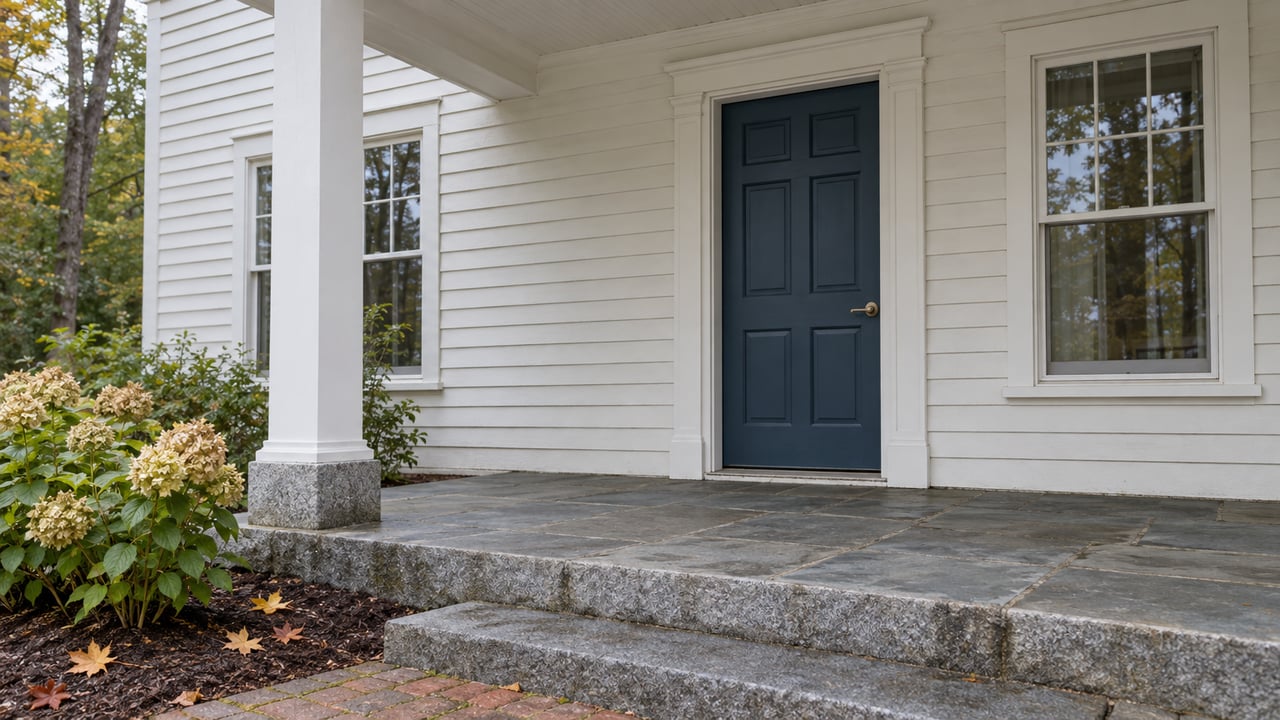
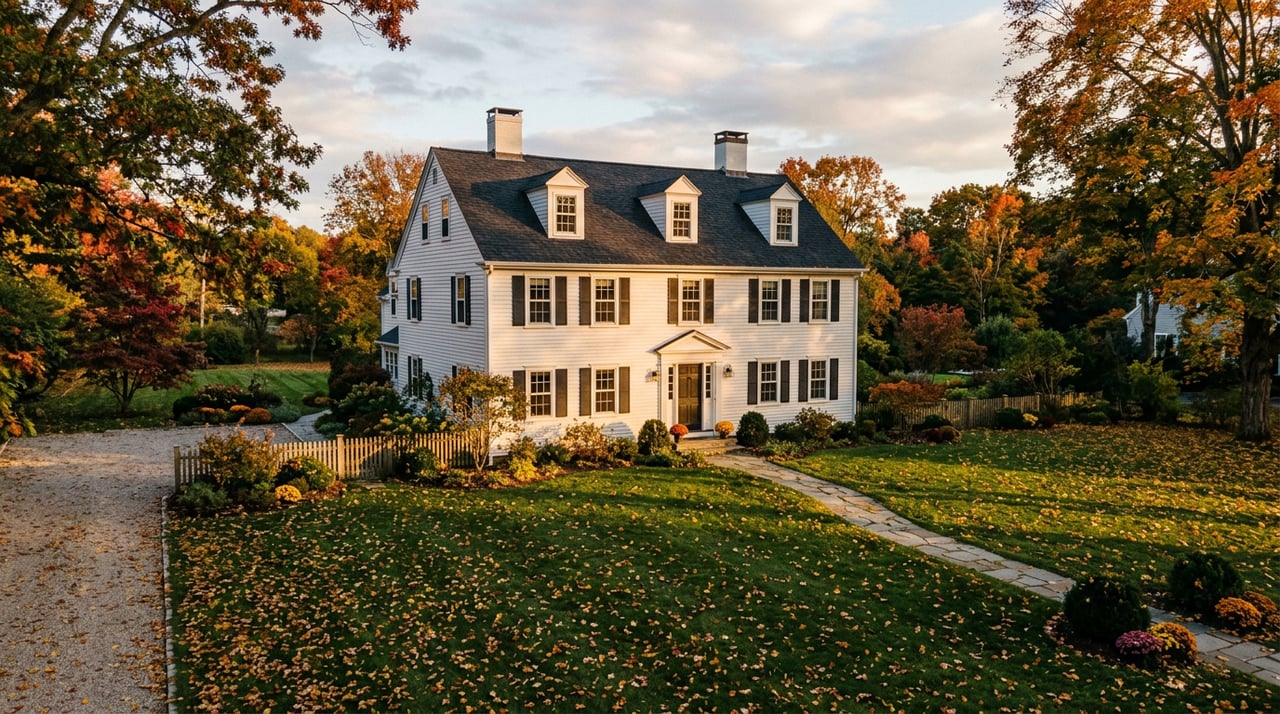
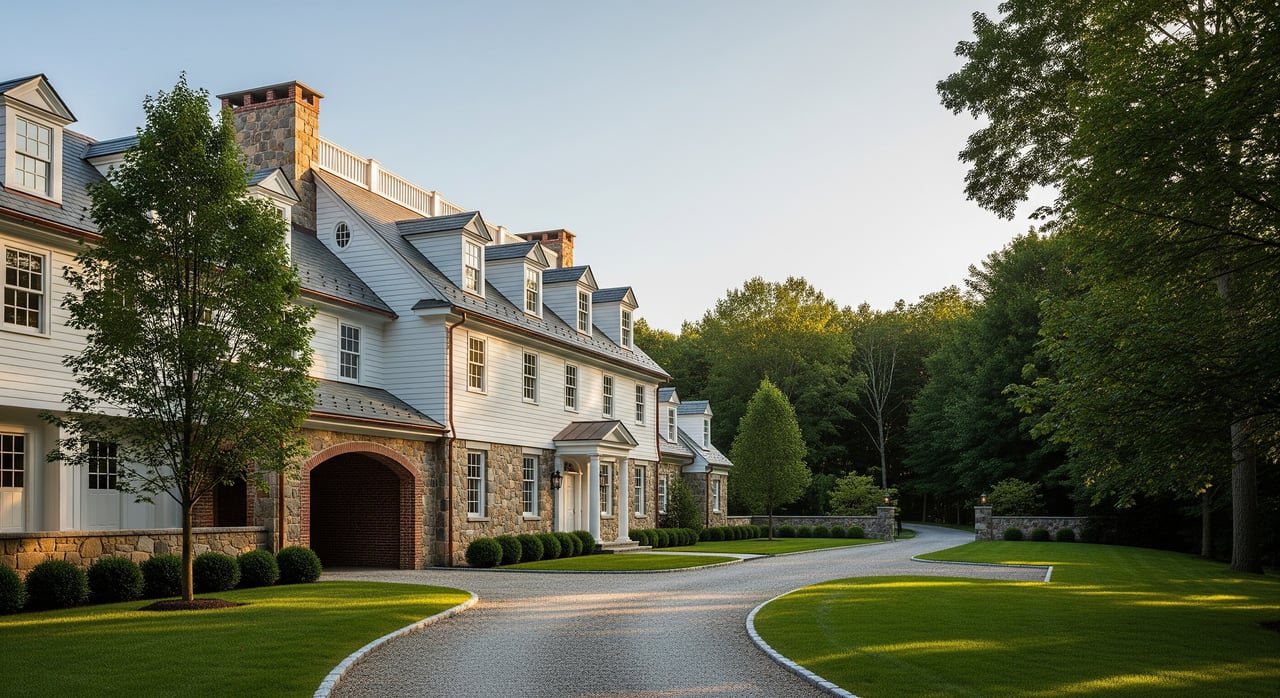
Provenance and timeless design travel well in the luxury segment. Architect-designed homes or historically significant estates are scarce, so they often command premiums. High ceilings, balanced proportions, and high-quality exterior materials also matter.
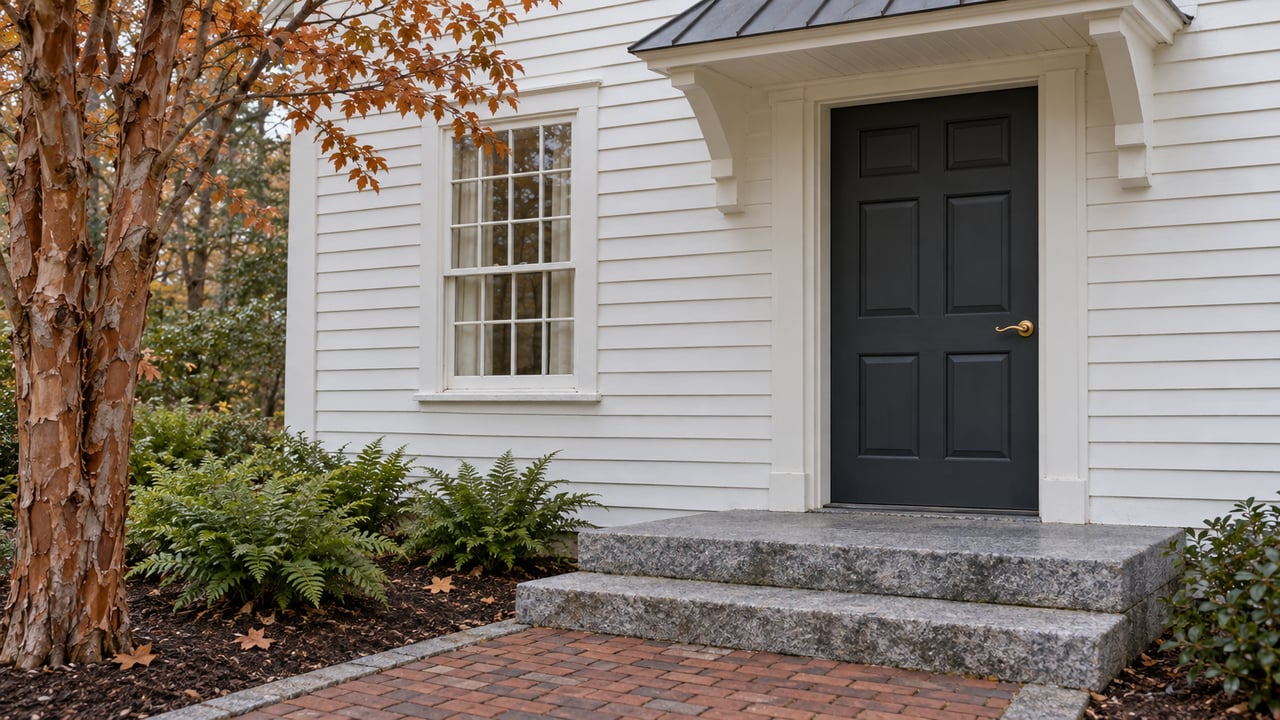
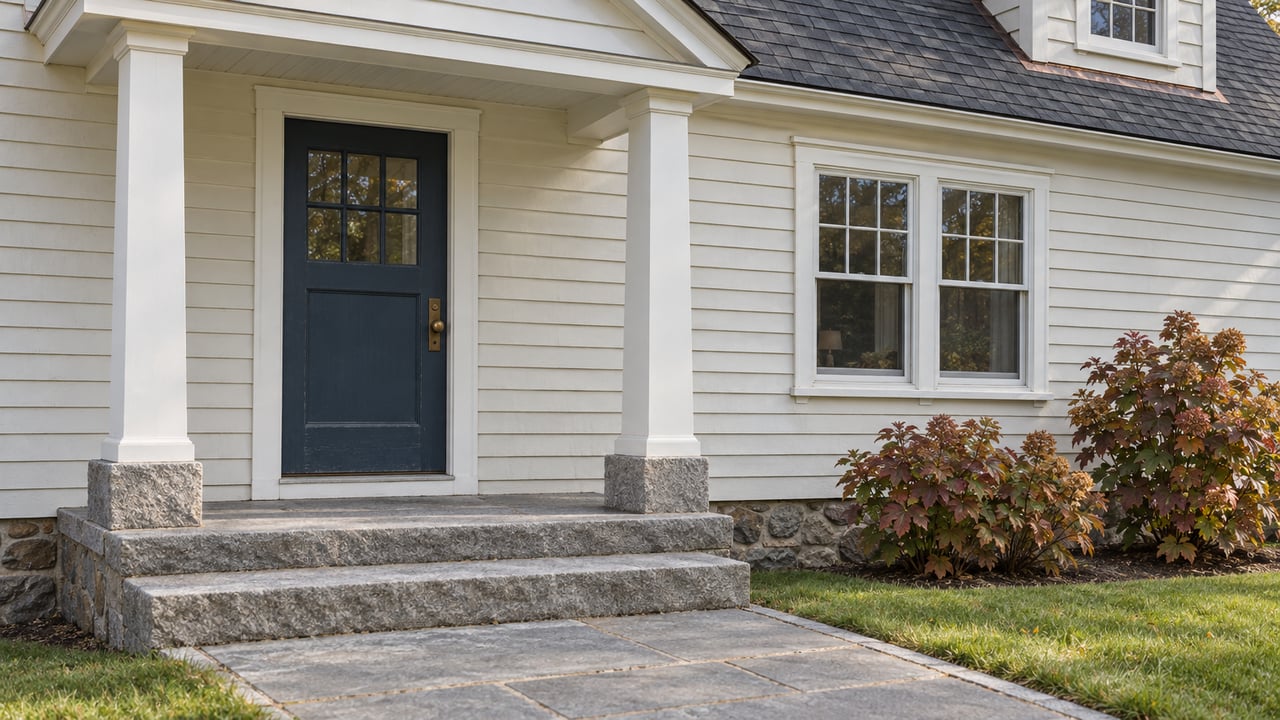
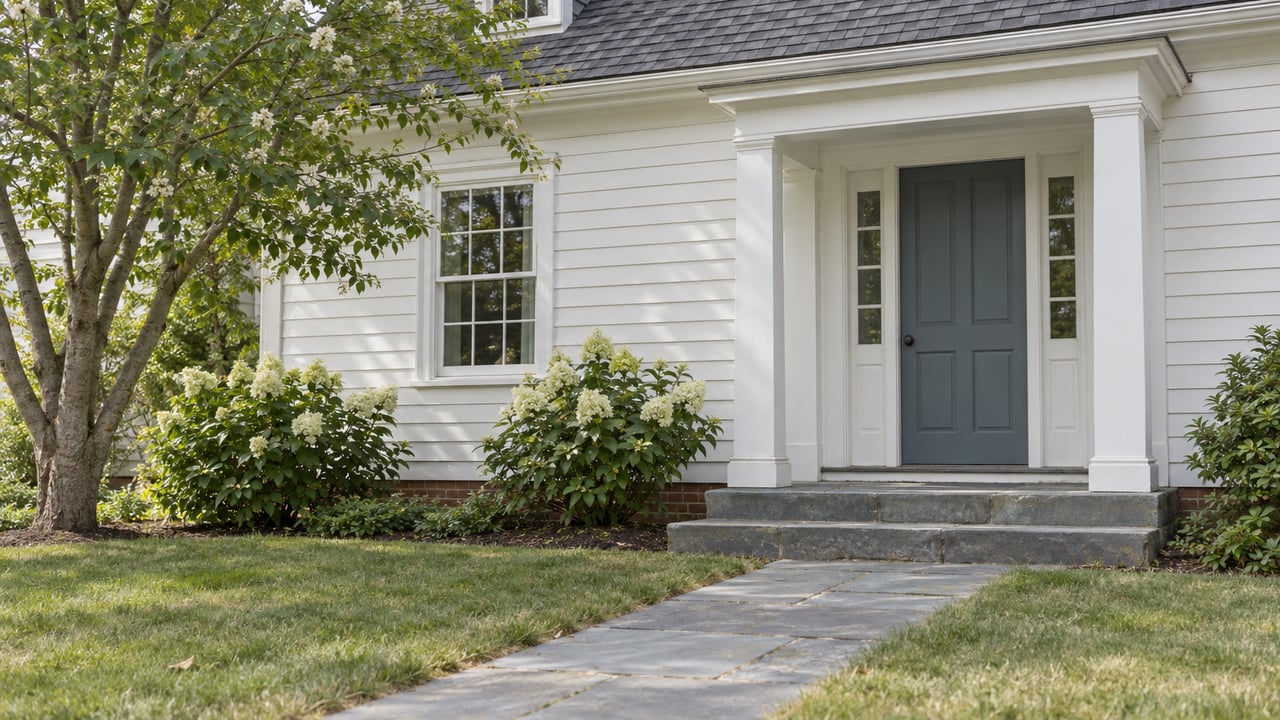
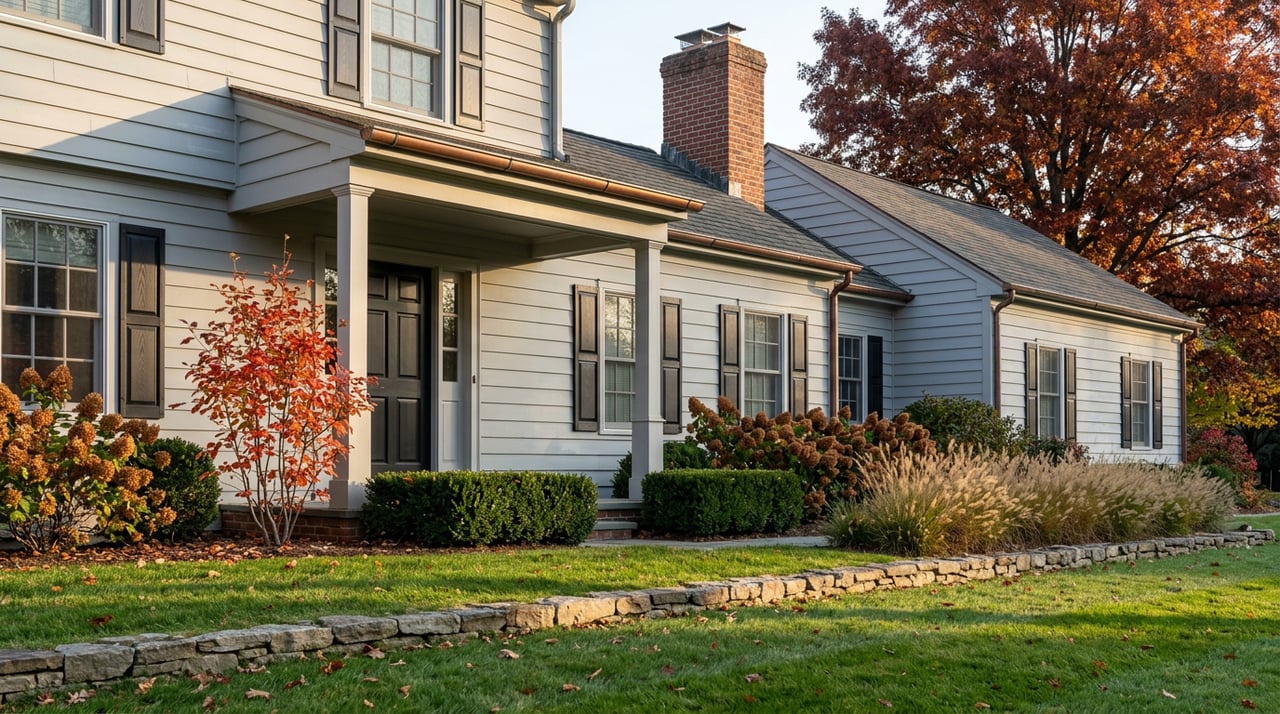
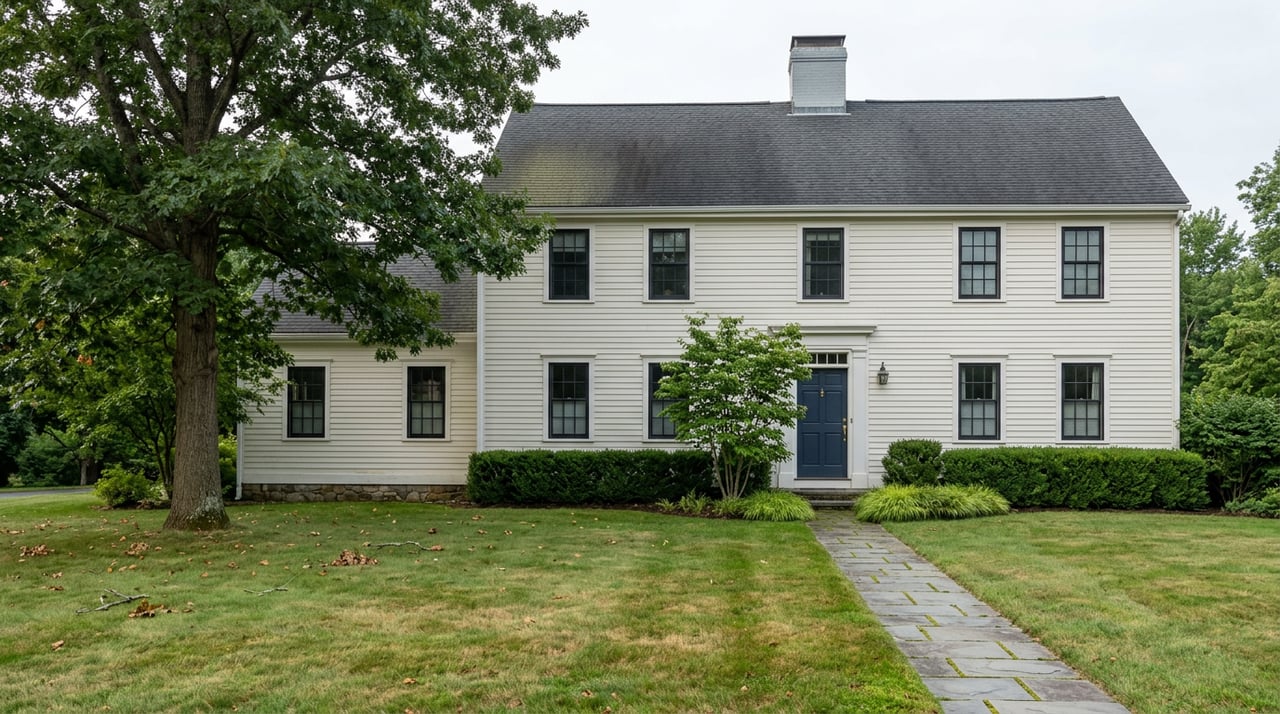
Floor plans can subtract value when they do not fit modern life. Many small rooms, limited casual living space, or the lack of a true primary suite can lead buyers to discount a property, even on a strong lot. Curb appeal sets first impressions that influence how buyers price the rest of the home.
Luxury buyers look for a modern program that works on day one. Open living spaces, 10-foot or higher ceilings in entertaining areas, a high-end kitchen, a large primary suite with spa bath and closets, multiple offices, and a finished lower level check key boxes.
Turnkey mechanicals reduce friction. Updated HVAC, electrical, water treatment, and smart-home features signal lower risk. Properties with fresh systems and quality finishes tend to attract faster offers and can achieve premiums versus similar-size homes that need major upgrades.
Pools, covered outdoor living, full-court tennis or pickleball, guest or carriage houses, and private trails are aspirational features for many buyers. Spectacular landscaping that blends privacy with entertaining space often seals the lifestyle story.
Not every amenity adds the same value to every buyer. Post-pandemic preferences elevated demand for outdoor living and wellness spaces, but some clients still prefer low maintenance. Evaluate replacement cost, usability, and fit with Weston’s active, nature-forward lifestyle when weighing any amenity’s contribution to price.
Weston Public Schools are widely perceived as high performing, which draws many buyers to the town. Access to a strong public school system increases the buyer pool and tends to shorten days on market.
Even if you do not plan to use the schools, the district’s reputation still influences liquidity and pricing. Education signals sit alongside land and architecture as top drivers of demand.
Reliable access matters. Proximity to I-95 and Route 128, an efficient route to Boston and the Route 128 biotech corridor, and access to the MBTA Fitchburg Line at Kendal Green are common decision points. Some ultra-high-net-worth buyers also consider proximity to private aviation or corporate shuttle hubs.
When a property offers a short or predictable commute, buyers will often pay a premium. Ease of reaching multiple routes, including rail, increases marketability across a wider audience.
Certain Westonesque lanes and enclaves carry an address premium. A stretch with several high-end estates can create a cluster effect that supports higher pricing. Orientation on the street, immediate neighbors, and overall estate character often matter as much as interior square footage.
The same house can trade differently based on location, street presence, and surrounding ownership. Buyers use these cues as shorthand for exclusivity and long-term value.
Sophisticated buyers look for clarity. They want to understand property taxes, zoning limits, and what additions or outbuildings are allowed. Conservation restrictions, wetlands, or uncertain approvals can reduce the pool of buyers and the final price.
The opposite is also true. Properties with clear approvals, as-built documentation, or pre-permitted improvements can gain meaningful value because they reduce risk and time to enjoyment.
Comps are the foundation, but luxury comps require careful adjustments. Lot size and privacy, provenance, system updates, and nonstandard amenities rarely align perfectly. Because inventory at the top end is thin, buyers and appraisers often widen the search to towns like Wellesley, Lexington, Belmont, Wayland, and Weston to find true substitutes.
Price per square foot alone is not reliable for estates. Land quality, design, and uniqueness often outweigh a simple size metric.
When comps are scarce or a property is unique, buyers estimate the replacement cost of improvements and add lot value, then adjust for depreciation. This method is common for architect-designed homes, significant acreage, or bespoke amenities that the market does not price every month.
This approach helps buyers determine whether they are better off building new, renovating, or buying existing, given time and permitting realities.
Luxury buyers watch inventory of listings above 2 million dollars in Weston and nearby towns, days on market, sale-to-list ratios, and the relationship between pending and active inventory. Shifts in these metrics change leverage quickly.
A spike in new listings can create room for negotiation. A tight, fast-moving top segment can push buyers to act decisively on the few properties that check all the boxes.
Unique features often challenge conventional underwriting. Appraisers may use conservative comparables that do not fully capture the value of privacy, acreage, or rare amenities. Some buyers engage specialized appraisers or use cash to avoid appraisal gaps.
Sellers who understand this dynamic can structure deals and documentation to reduce friction. Buyers who plan ahead with the right lender and appraiser can move faster and negotiate with more confidence.
Ultra-high-net-worth buyers often weight privacy, land, and lifestyle more than marginal finish upgrades. Second-home or occasional-use buyers tend to prioritize turnkey condition and security. Knowing which segment you are negotiating with helps you frame value and terms.
Use this shortlist to assess any property within minutes, then dig deeper where needed:
When you apply a disciplined framework to Weston’s luxury market, you see why some properties outpace others, even at the same size. The winners combine usable land, privacy, architectural quality, modern systems, and a lifestyle story that fits how today’s buyers live.
If you want a private, data-driven read on your property or a shortlist of on and off-market opportunities that match this framework, connect with a trusted local advisor. For a confidential conversation or to request a tailored pricing analysis, reach out to Denise Mosher. Request a Complimentary Home Valuation.
Stay up to date on the latest real estate trends.