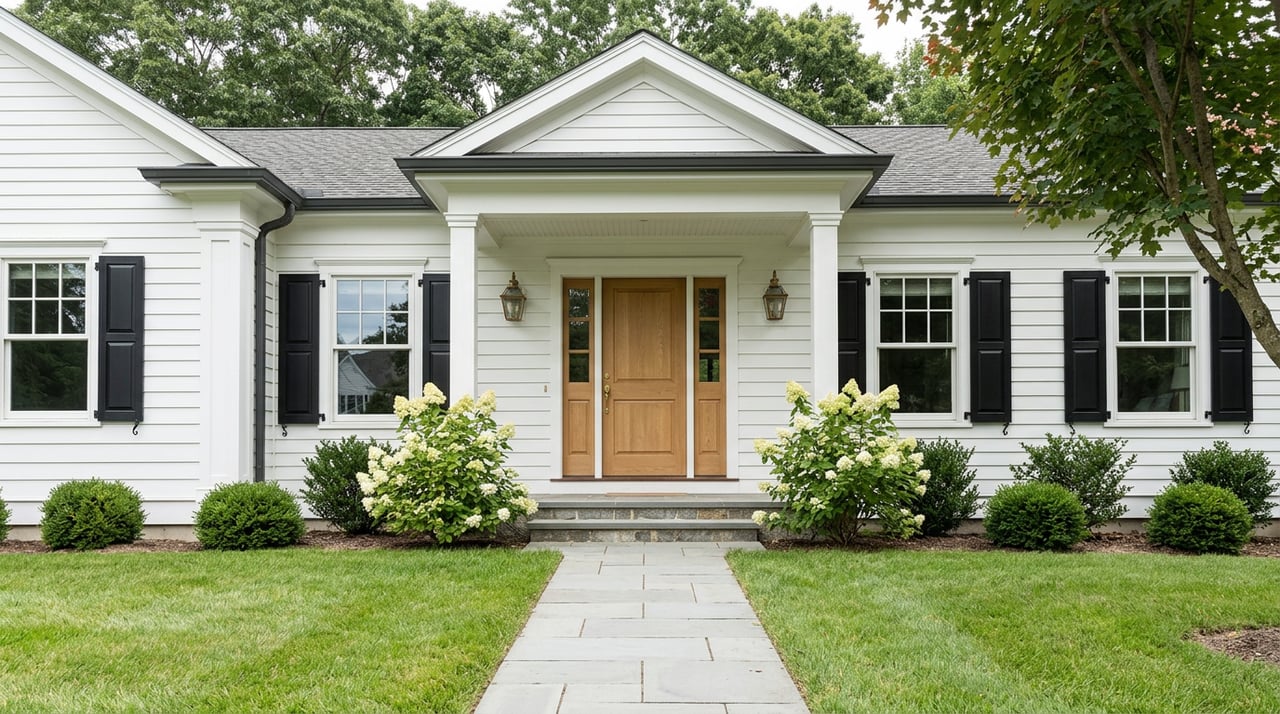
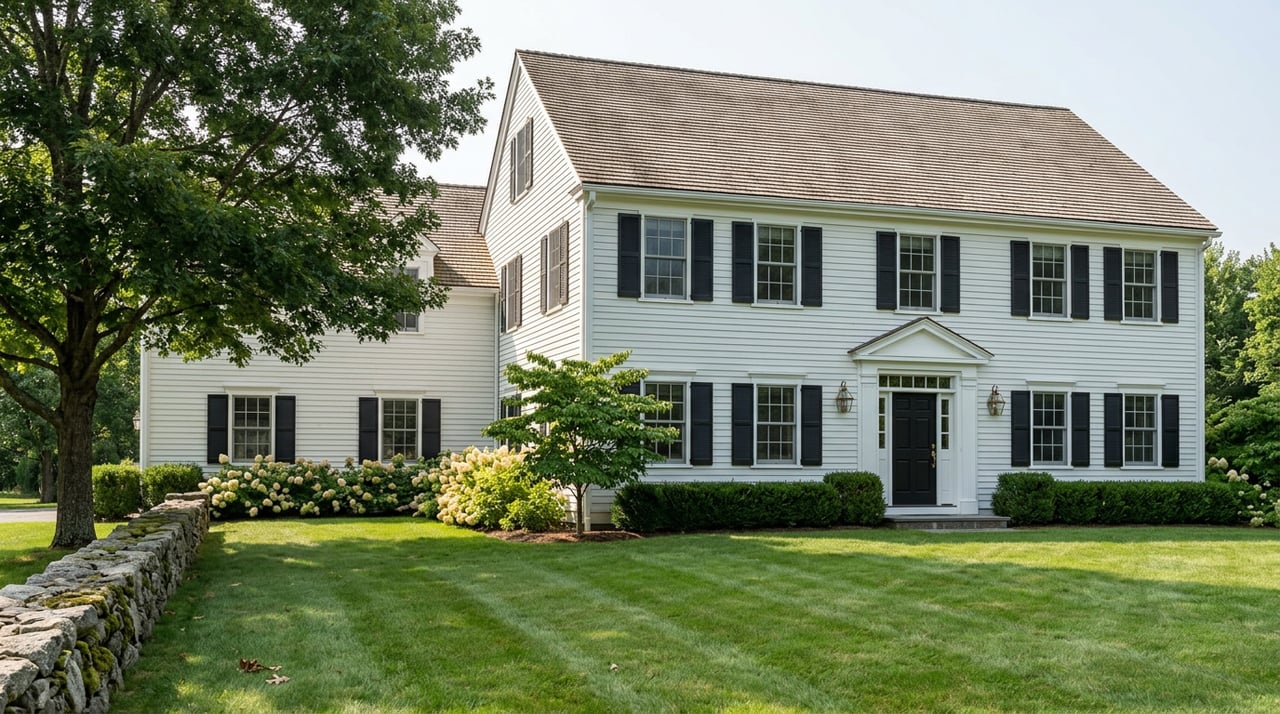
Are you deciding between Wayland, Weston, or Sudbury and want a clear, confident choice? You are not alone. Many relocating professionals and urban families compare these three MetroWest towns for price, schools, taxes, lot size, and commute. This guide gives you a practical, side-by-side view with numbers, context, and a simple decision checklist so you can move forward with clarity. Let’s dive in.
How to use this guide
- Start with the quick price and tax snapshots to set expectations.
- Scan schools, lot size, and commute to match your lifestyle.
- Use the decision checklist to narrow your short list.
- Reach out for a custom market brief tailored to your price point and timing.
Price and value snapshot
Recent market snapshots show clear differences in price per square foot and median prices across the three towns. While numbers move month to month, these patterns are helpful for framing your search:
- Weston: About $508 per square foot. Median sale often in the multi-million range. A high-end market with many estate-scale homes and luxury finishes.
- Wayland: About $426 per square foot. Median sale typically in the mid-to-high $900k to $1.3M range depending on the month. A mix of mid-range single-family homes and larger properties.
- Sudbury: About $356 per square foot. Median sale around the $1.1M range in recent 12-month snapshots. A broad mix including larger family homes and newer subdivisions.
Note: Price per square foot varies by house size, finish level, and lot context. Luxury properties can skew these figures, so compare both median price and $/sq ft before drawing conclusions.
Property taxes comparison
Massachusetts towns set property tax rates annually. Always check the fiscal year on any rate you use and remember that assessments can lag market values. Here are the most recent town figures located in public packets and examples to illustrate typical bills:
- Wayland: FY2026 residential rate is $14.83 per $1,000 of assessed value. If assessed at $900,000, the estimated annual bill is about $13,347; at $1,500,000, about $22,245. See the town’s FY2026 tax recap for details in the public hearing packet. Wayland FY2026 tax rate recap.
- Weston: FY2026 tax-classification materials illustrate a uniform rate of about $10.88 per $1,000. At $900,000 assessed, the annual bill is about $9,792; at $1,500,000, about $16,320. Weston often has higher assessed values per parcel, which can lead to larger total bills even with a lower rate. Weston FY2026 tax classification report.
- Sudbury: The town published a residential rate of $14.64 per $1,000 for FY2025. Using that figure, $900,000 assessed is about $13,176; $1,500,000 is about $21,960. Recheck Sudbury’s assessor or DOR pages for the latest FY2026 rate.
Tip: When modeling your budget, compute taxes as rate divided by 1,000 multiplied by the assessed value. If you are evaluating two towns with different rates, also compare typical assessed-to-sale-price ratios for recent sales.
Schools overview
All three towns offer high-performing public schools. For consumer-facing rankings, many buyers consult Niche. District profiles and high school pages provide useful snapshots of performance and program breadth:
- Weston Public Schools: A+ district, with Weston High routinely among the top high schools statewide. See the latest district rankings on Niche’s Weston profile.
- Wayland Public Schools: A+ district, often placing in the top tier statewide for academics and college readiness. Review the district on Niche’s Wayland profile.
- Sudbury and Lincoln-Sudbury Regional High: Sudbury’s K–8 system is strong, and Lincoln-Sudbury High is A+ and widely recognized among the state’s top high schools. Explore Lincoln-Sudbury’s rankings.
For a deeper dive into MCAS, AP participation, or course catalogs, consult the districts and the Massachusetts DESE profiles. Use neutral, data-based comparisons and focus on programs that matter to your family, such as arts, STEM, world languages, and extracurriculars.
Lot size and zoning
Lot size and zoning shape your day-to-day experience. These towns vary in their minimum lot requirements, which influences privacy, yard size, and maintenance needs:
- Wayland: Single-residence districts span Residence-20, -30, -40, and -60, with minimum lots from 20,000 to 60,000 square feet. This creates a mix of smaller-lot neighborhoods and larger parcels across town. See the zoning table in Wayland’s Housing Production Plan. Wayland zoning overview.
- Weston: Many residence districts require 40,000 to 60,000 or more square feet, which supports the town’s estate-like character in many neighborhoods. Review the town’s dimensional table. Weston zoning summary.
- Sudbury: Large-lot single-residence districts are common, with several zones using 60,000 square foot minimums or larger in certain areas. See zoning excerpts for details. Sudbury zoning excerpts.
Planning tip: Ask about rules that affect additions, pools, accessory structures, and potential ADUs. Larger lots can mean more privacy and options, but also higher landscape and maintenance budgets.
Commute and transit
MetroWest is primarily car-first, with regional public transit options. Your actual commute will depend on your destination and schedule, but here is the general picture:
- Wayland and Sudbury: Most residents drive or connect via the MetroWest Regional Transit Authority to nearby MBTA commuter rail at West Natick, Wellesley, or Framingham. See regional context in the Boston MPO’s transportation plan. Boston MPO regional transit overview. Wayland’s transportation assessment also outlines local station access. Wayland transportation assessment.
- Weston: Shorter drives to Route 128 and the Mass Pike are common. Many commuters use nearby park-and-ride options, including the Green Line D at Riverside, or drive to commuter rail.
Pro move: Test your door-to-door route during the hours you expect to travel. Small changes in schedule can make a big difference.
Which town fits you best
Use these quick profiles to align each town with your priorities:
- Choose Weston if you want estate-scale lots, luxury finishes, and top-ranked schools, and you value fast access to Route 128 for regional employers. Expect premium price points and higher assessed values.
- Choose Wayland if you want A+ schools, a balance of lot sizes, and strong value relative to closer-in Boston suburbs. You will find a wide range of homes, from classic colonials on neighborhood streets to larger parcels near conservation land.
- Choose Sudbury if yard size and newer subdivisions are high on your list and you want A+ high school performance via Lincoln-Sudbury. The town is more auto-centric but stays well connected to commuter-rail hubs nearby.
Decision checklist
- Define your top three priorities: price, schools, lot size, commute, or something else.
- Model your total monthly cost: mortgage, property tax, utilities, and maintenance.
- Compare school programs that matter to you: arts, STEM, languages, clubs, or athletics.
- Drive your commute at real times and test alternate routes or rail options.
- Walk candidate neighborhoods and review zoning to confirm fit for future plans.
Next steps
If you want a clearer picture of what your budget buys in each town, a custom brief can save you weeks. You will see on- and off-market opportunities, pricing trends at your target size, and neighborhood-level tax and zoning notes tailored to your plans. For a private consultation and a data-driven search or sale strategy, connect with Denise Mosher. Request a Complimentary Home Valuation and get a plan that aligns with your goals.
FAQs
Which town is most affordable overall?
- On a price-per-square-foot basis, Wayland and Sudbury tend to be lower than Weston, while Weston is typically the highest due to estate-scale homes and luxury finishes.
How do property taxes compare among the three?
- Using recent public packets, Wayland’s FY2026 rate is $14.83, Weston’s FY2026 uniform rate example is about $10.88, and Sudbury’s posted FY2025 rate is $14.64 per $1,000; always check the latest fiscal year.
How do the school systems differ in rankings?
- All three are top-tier; Weston and Wayland are A+ districts, and Lincoln-Sudbury High is A+. Rankings vary by source and year, so review current district and high school profiles.
What are the main commute options from each town?
- All three are car-forward. Wayland and Sudbury often use West Natick, Wellesley, or Framingham commuter-rail stations, while Weston benefits from quicker access to Route 128 and the Green Line D at Riverside.
Where will I find larger lots and more privacy?
- Weston and Sudbury skew toward larger minimum lot sizes, while Wayland offers a mix from neighborhood-scale parcels to larger estate lots. Check zoning by district in your target area.