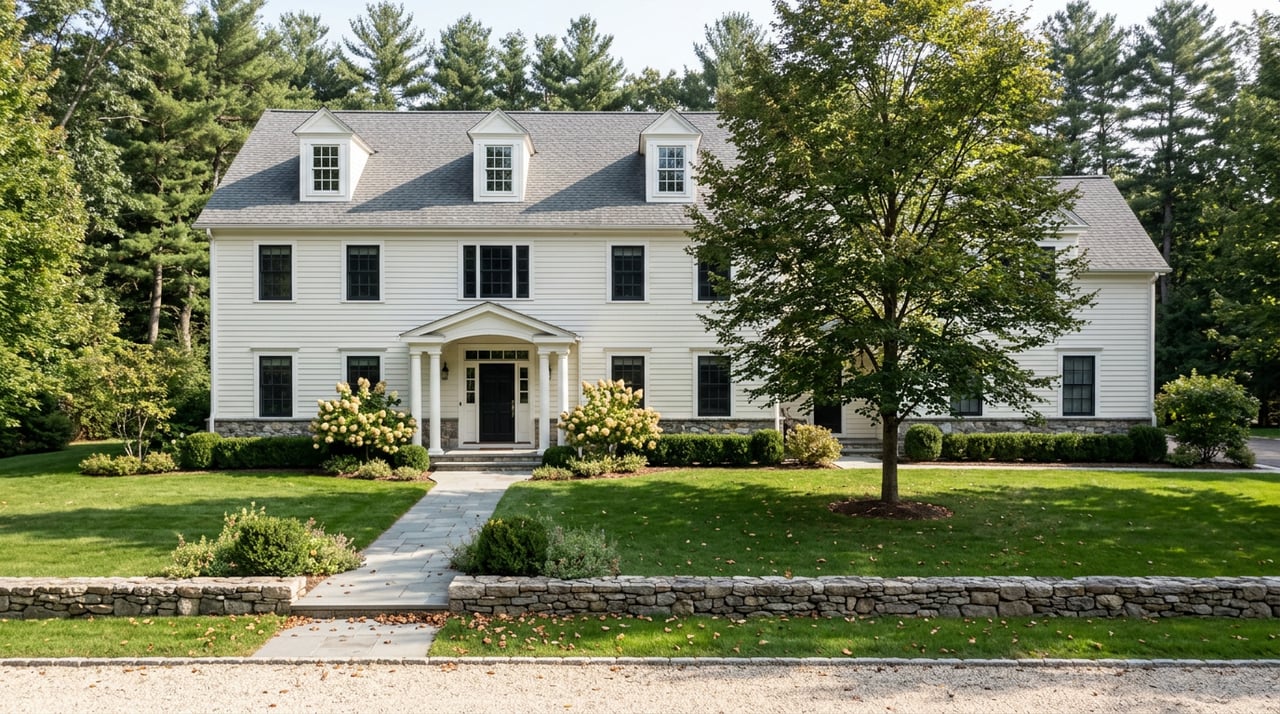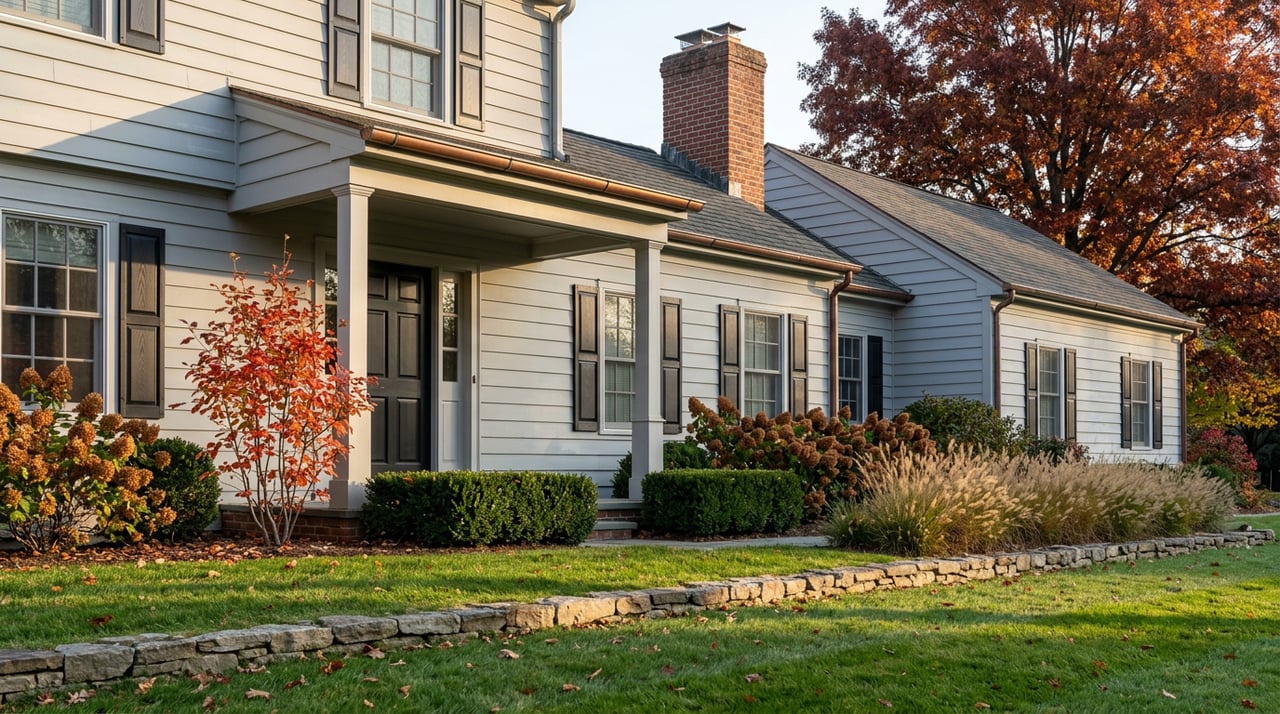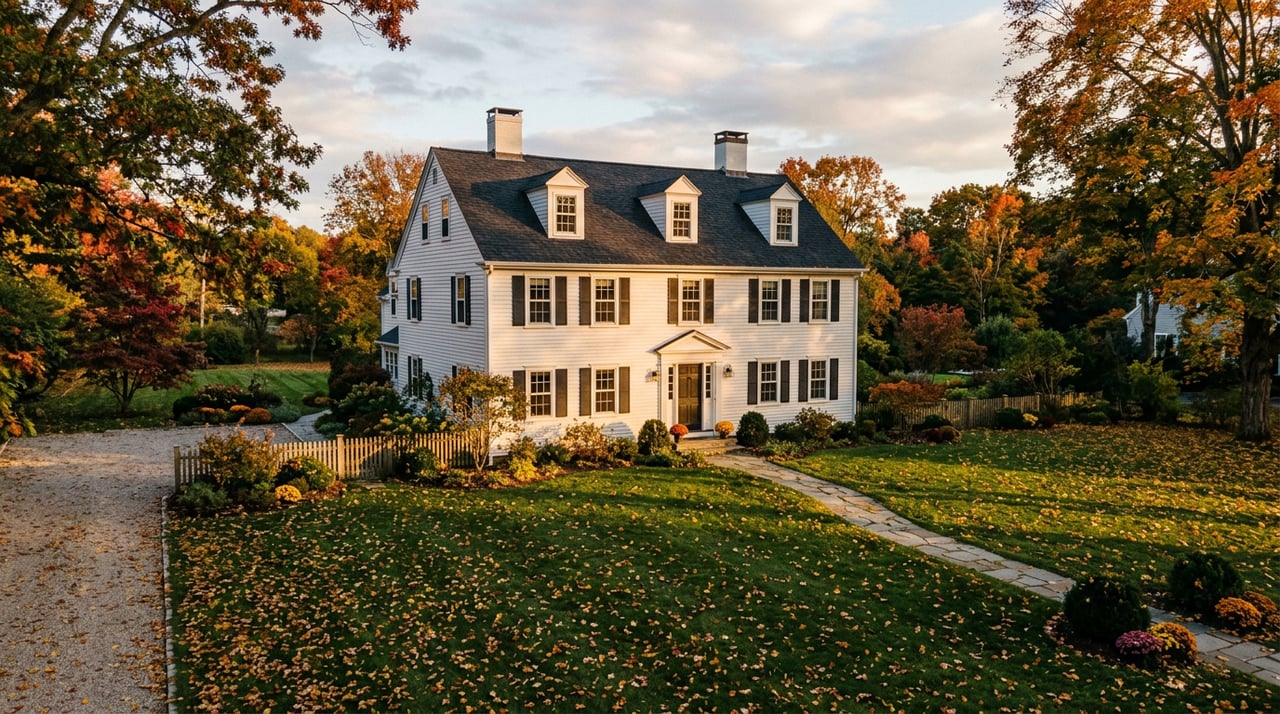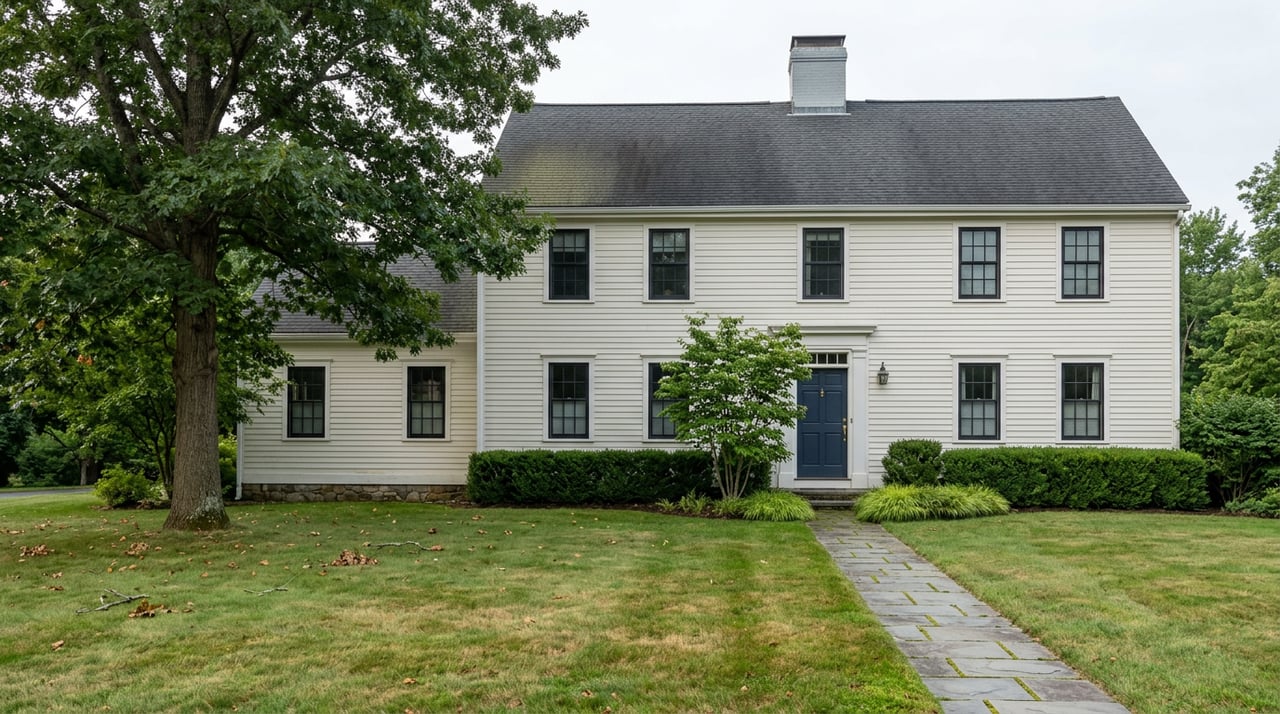
Why Wellesley Family Neighborhoods Appeal to Buyers
May 21, 2026
May 21, 2026
If you are searching for a suburb that offers more than a strong school system, Wellesley deserves a close look. Many buyers want excellent academics, but they also want a town that supports daily family life with parks, activities, easy routines, and a real sense of connection. In Wellesley, those pieces work together in a way that stands out across MetroWest. Let’s take a closer look.
For many buyers, schools are the first reason Wellesley enters the conversation. Wellesley Public Schools states that its mission is to support each student’s academic, social, and emotional development while preparing students for college, career, and life. The district also highlights core values that include academic excellence, commitment to community, and caring, cooperative relationships.
That structure matters because families are often looking for a full educational path in one town. For the 2025-26 school year, the district reports an integrated preschool program for ages 3 to 5, six elementary schools, Wellesley Middle School, and Wellesley High School. Total enrollment is listed at 3,832 students, not counting preschool.
Another detail that often resonates with relocating buyers is the district’s attention to community life. Wellesley Public Schools publishes a religious and cultural observances calendar and notes the significance of holidays celebrated by families. That reflects a district that presents itself as both academically focused and aware of the broader family experience.
Some families also want private school choices close to home. Wellesley offers notable in-town options, including Dana Hall School, an independent boarding and day school for girls in grades 5 through 12, and Tenacre Country Day School, a coed Pre-K through grade 6 school. For buyers weighing different educational paths, that adds flexibility without requiring a daily drive to another town.
What often makes Wellesley feel especially livable is what happens outside school hours. The town says it maintains 642 acres of passive recreation areas, including 18 parks, 14 conservation areas, 5.6 miles of the Cochituate Aqueduct Trail, and two community gardens. It also maintains active recreation areas, playgrounds, school grounds, and other recreation facilities across town.
This is important because families rarely choose a town based on one feature alone. They want places to walk, play, explore, and reset at the end of the day. In Wellesley, open space is not separate from daily life. It is part of the routine.
Fuller Brook Park is one of the best examples of that everyday usability. The town describes it as Wellesley’s most popular and well-used public park. It also provides a pedestrian route away from Washington Street and helps connect neighborhoods, schools, the library, shopping, and employment centers.
That kind of connection can shape how a town feels week to week. A park that links practical destinations can support after-school movement, weekend walks, and a more connected day-to-day rhythm. For many buyers, that convenience becomes part of the value of living here.
Morses Pond gives Wellesley a feature many suburban communities do not have. The town says the pond covers about 100 acres and is used for swimming, boating, and fishing. During the summer season, the Recreation Department manages operations, including season passes, beach access, and watercraft rentals.
For families, this adds another layer to local life. Summer does not have to mean leaving town to find water access and outdoor fun. That can make weekends simpler and everyday life feel more complete.
Wellesley’s Recreation Commission says its mission is to increase enjoyment of living in town and build a deeper sense of community by providing recreational and educational opportunities for all residents. The department offers year-round programs, seasonal brochures, and a Teen Center for middle-school-aged residents and Wellesley Public School students.
That year-round structure is worth noting. Families often ask what a town feels like in the quieter months, not just in peak fall or summer. A strong recreation system helps answer that question with options that continue across the calendar.
In many towns, the library is a useful amenity. In Wellesley, it feels more woven into family life. The Wellesley Free Library offers children’s programming that includes storytimes, homework help, reading challenges, and summer reading.
The library system also reinforces the town’s village-centered layout. The main library, which opened in 2003, is described by the library as the heart and hub of town, and the system includes three branches: Main, Hills, and Fells. Storytimes take place at all three branches, which helps make library services feel accessible across town rather than concentrated in a single location.
One reason Wellesley feels distinct is that it does not read as a single commercial strip or a generic suburban center. The town describes its commercial core as a collection of unique commercial villages, including Wellesley Square, Wellesley Hills, the Fells area, and the Linden Square shopping district. The town notes a mix of independent businesses, specialty stores, restaurants, and larger retail tenants.
For buyers, this can shape how convenient and enjoyable daily routines feel. Errands, coffee stops, casual meals, and weekend browsing happen in places with their own identity. That village pattern helps the town feel more personal and more navigable.
This multi-village layout also spreads activity across Wellesley rather than concentrating everything in one spot. The result is a town that feels active in several directions. That can be appealing if you are looking for a place where family routines are supported by multiple local centers.
Events help reinforce that pattern. Wellesley in Bloom, for example, is described by the town as a town-wide spring celebration centered in Wellesley Square and Linden Square with floral displays, pop-up experiences, and creative collaborations. It is one more example of how public life in Wellesley extends beyond school campuses and athletic fields.
A town’s character is often easiest to understand by looking at its shared traditions. In Wellesley, recurring public events create a community calendar that gives residents reasons to gather throughout the year. These events also help newer residents feel connected more quickly.
Wellesley Wonderful Weekend is a strong example. In 2026, the event included town department open houses, family-friendly activities, the 58th Annual Veterans Parade, a concert, a picnic, fireworks, and more. That variety reflects a town where civic life and family life overlap in visible ways.
The annual Memorial Day ceremony offers another example of that connection. The town invites residents to gather at the War Memorial at Town Hall, and the event includes remarks, police and fire honor guards, and music by the Wellesley High School band. That kind of school and town participation in shared events can be meaningful for families trying to picture long-term life here.
Even when lifestyle leads the search, many households still need a practical commute plan. For buyers balancing work in Boston or across the region with suburban living, Wellesley offers infrastructure that supports that reality. The town notes three regional rail stops, commuter parking, and the Catch Connect micro-transit service.
That matters because convenience is not only about what happens inside your home. It is also about how smoothly you can move through your week. For relocating executives and upsizing buyers, this kind of transportation support can make Wellesley feel workable as well as appealing.
What makes Wellesley compelling is not any single feature on its own. It is the way schools, recreation, village centers, libraries, and annual traditions reinforce each other. That combination creates a fuller family infrastructure than buyers sometimes expect to find in one town.
If you are comparing MetroWest communities, Wellesley often stands out because daily life here appears well supported from multiple angles. You have a complete public school structure, in-town private school options, extensive open space, active recreation, several village centers, and recurring community events. For many buyers, that combination is exactly what turns a town from attractive to truly practical.
If you are considering a move to Wellesley or planning your next chapter in MetroWest, working with a local advisor who understands how lifestyle, timing, and market strategy intersect can make the process far more efficient. To explore Wellesley with a thoughtful, data-driven approach, connect with Denise Mosher.
Stay up to date on the latest real estate trends.