Wayland Waterfront Homes and Conservation Living
May 14, 2026
May 14, 2026
If you are drawn to water views, wooded trails, and a quieter daily rhythm, Wayland offers a version of waterfront living that feels very different from a typical lake-resort market. Here, the appeal is tied as much to protected land and careful town stewardship as it is to the shoreline itself. If you are thinking about buying or selling near water or conservation land in Wayland, it helps to understand what daily life, access, and property constraints can really look like. Let’s dive in.
Wayland is a semi-rural MetroWest town about 18 miles from Boston, which gives it a rare mix of commuter convenience and natural landscape. Town records say roughly 20% of Wayland is secured as open space, and the Conservation Commission manages 19 major town-owned conservation areas totaling 1,023 acres.
That scale matters when you think about real estate value and lifestyle. In Wayland, a home near water is often also a home near trails, wetlands, meadowland, or protected woodland. For many buyers, that creates a strong sense of space and privacy, even within a suburban setting.
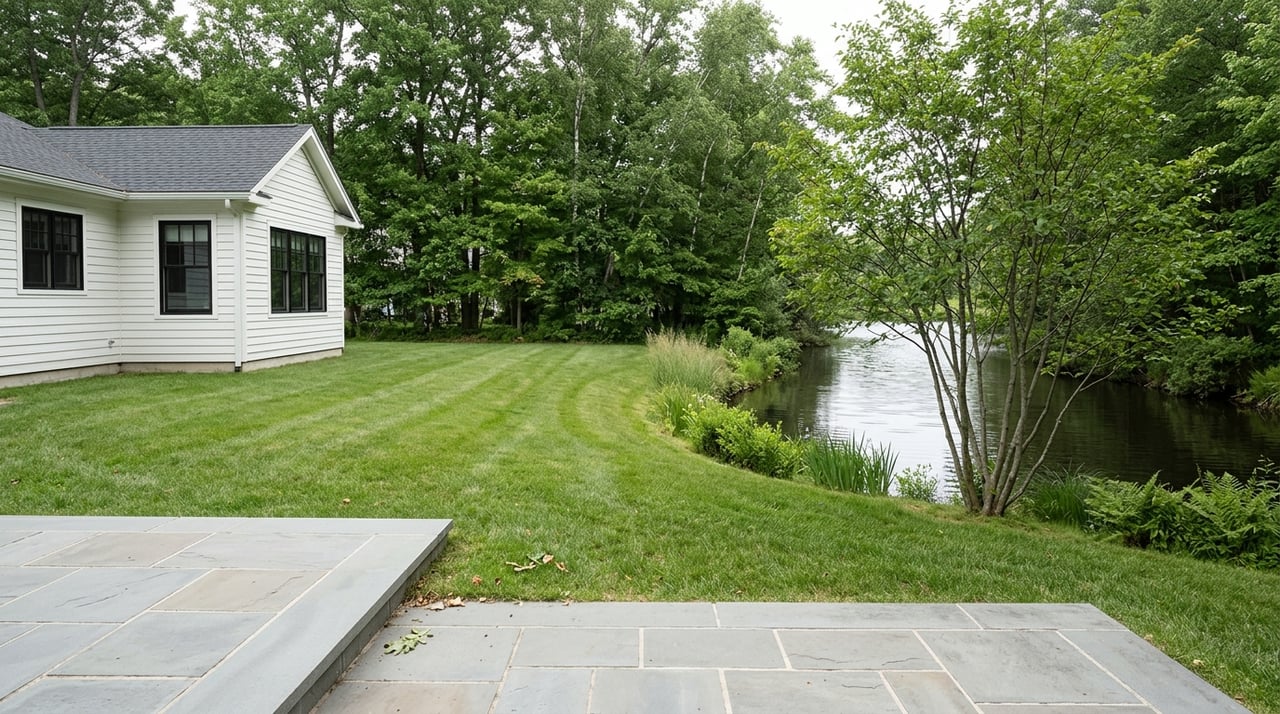
In Wayland, “waterfront” can describe several very different property settings. Some homes may be directly on a pond or river edge, while others may simply sit near a public shoreline, trail network, or conservation parcel.
That distinction is important because access, views, and future property use can vary quite a bit. A home with water views is not always the same as a home with private water access, and a lot near conservation land may come with more oversight than buyers first expect.
Lake Cochituate is Wayland’s best-known recreation waterfront. It includes North, Middle, and South Ponds, with Wayland Town Beach located on North Pond.
The Town Beach offers swimming, boat rentals, and weekly water-quality testing. There is also a small non-motorized access path, while Cochituate State Park provides broader lake access. South Lake is the area where waterskiing and tubing are allowed, so activity levels can differ depending on where you are around the lake.
For buyers, that means it is worth asking exactly which section of the lake a property relates to. Quiet enjoyment, recreational access, and traffic on the water may not be the same from one location to the next.
Dudley Pond is an approximately 83-acre Great Pond in southern Wayland. The town describes it as open to all and used for fishing, swimming, walking, and boating, but it also notes ongoing water-quality concerns, including dissolved oxygen issues, turbidity, and invasive aquatic growth.
Heard Pond is an 81-acre backwater of the Sudbury River off Pelham Island Road. This is a good example of why some Wayland “waterfront” properties are better understood as river-pond settings rather than classic lakefront homes.
The Sudbury River also shapes part of Wayland’s outdoor identity. Homes near the river may offer scenic surroundings and access to conservation corridors, but they can also come with more permitting sensitivity tied to wetlands, drainage, and floodplain conditions.
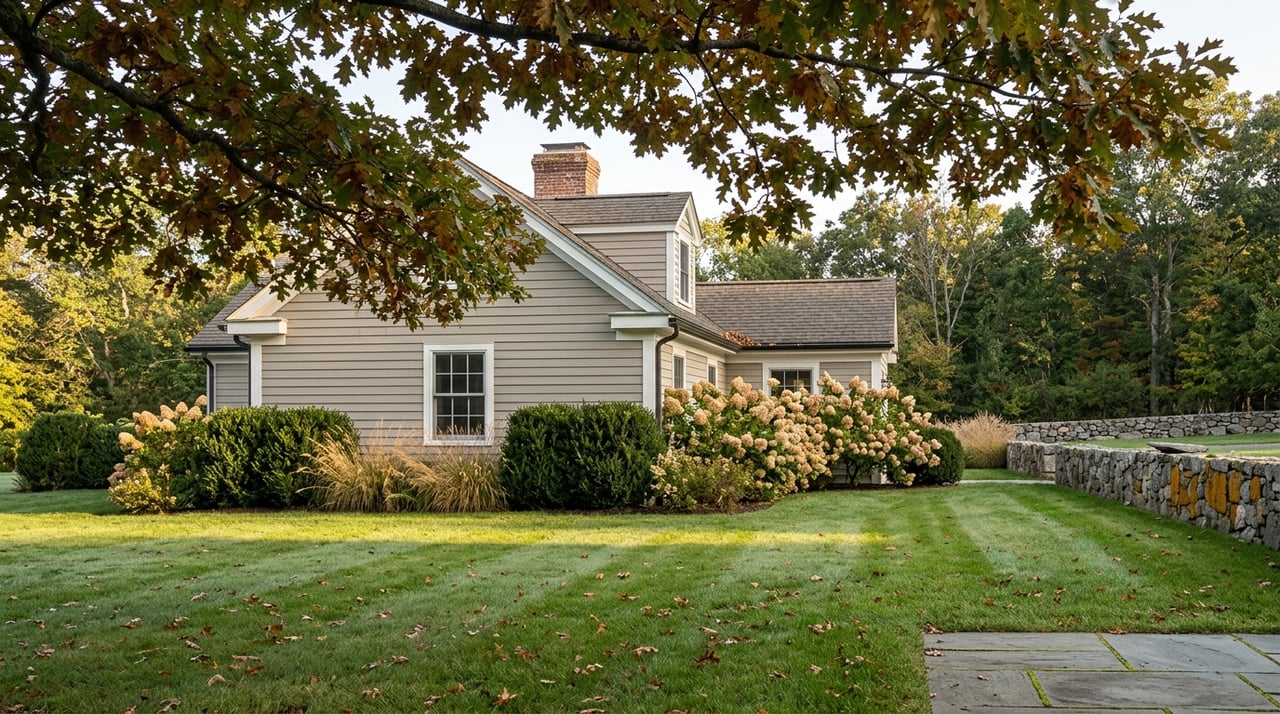
Some of Wayland’s most appealing homes are not directly on the water at all. Instead, they sit beside conservation land, trail networks, or river corridors that create a similar feeling of openness and natural beauty.
Great Meadows National Wildlife Refuge extends along the Sudbury and Concord Rivers, and about 85% of its conserved land is freshwater wetland. Wayland’s broader conservation network also includes places like Cow Common, with trails beside the Sudbury River, and Pod Meadow, a 32-acre property with mixed old-growth forest.
For many buyers, this kind of setting delivers the lifestyle they want without requiring a traditional waterfront lot. You may get trail access, scenic views, and protected surroundings, but with a different ownership and maintenance profile.
The biggest lifestyle benefit is everyday access to nature. Wayland’s conservation lands and trails support hiking, snowshoeing, skiing, birding, canoeing, fishing, and non-motorized boating, so outdoor use can become part of your normal routine rather than just a weekend plan.
That can change how you experience home. In many parts of Wayland, your daily pattern may be shaped as much by nearby trails, launch points, and water views as by nearby roads and errands.
At the same time, conservation living comes with rules that are part of the package. Conservation areas are open dawn to dusk, visitors are asked to stay on trails, dogs must be leashed, and swimming, motorized vehicles, hunting, fires, alcohol, and drones are prohibited on conservation land.
Town Beach has its own separate rules, including restrictions on pets, alcohol, smoking, and use outside marked swim areas. In other words, Wayland offers strong recreational appeal, but it is a managed and protected environment rather than a free-form waterfront setting.
One of the most important parts of buying or improving a water-adjacent property in Wayland is understanding the local review process. The Conservation Commission reviews work within 100 feet of wetlands, ponds, or intermittent streams and within 200 feet of perennial streams.
Wayland’s local wetlands bylaw adds protection beyond state law, and Chapter 193 stormwater rules are part of the same framework. The town also connects this review to the broader Sudbury-Assabet-Concord watershed, which means runoff and drainage are treated as water-quality issues that affect the wider community.
In practical terms, that can influence additions, grading, landscaping, drainage work, and other exterior improvements. Even when a lot does not look obviously “wet,” permit review may still apply well beyond the visible shoreline.
In Wayland, water quality is not a side issue. It is part of the ownership picture, especially near certain ponds and river-adjacent areas.
Town Beach water quality is tested weekly, and the town has a harmful algae bloom protocol for North Pond of Lake Cochituate. Seasonal advisories or closures can happen when cyanobacteria levels warrant them.
Dudley Pond also has ongoing water-quality management tied to invasive vegetation, runoff, and sediment. For buyers, that means it is reasonable and smart to ask about water conditions, recent advisories, vegetation management, and any known concerns tied to a specific water body.
Homes near protected open space and natural amenities often attract strong interest, but the details matter. Research cited in the report finds that protected open space and natural amenities can be reflected in home values, though the effect varies based on access, property type, and local market conditions.
Water quality can matter too. A meta-analysis of water-quality studies found that, on average, a 1% increase in water clarity is associated with about a 0.19% increase in waterfront home prices.
In Wayland, the most meaningful value drivers are often practical ones. Buyers tend to look closely at whether a property offers true water access or views, adjacency to protected land, manageable drainage and wastewater conditions, and clear use rights.
The flip side is that value can be tempered by regulation and risk. Wetlands, floodplain, and stormwater constraints may limit future changes, and water-related risk can affect long-term pricing in ways that are not always obvious at first glance.
If you are considering a waterfront or conservation-edge property in Wayland, a few questions can help you evaluate the opportunity more clearly.
These questions matter because two homes with similar marketing language can offer very different day-to-day experiences. In a town like Wayland, the details behind the setting are often what shape both enjoyment and resale strength.
If you own a home near water or conservation land in Wayland, your property story should be told with precision. Buyers in this market respond well to clear distinctions between direct waterfront, water-view, and conservation-adjacent settings.
They also want confidence around usability, oversight, and long-term value. Thoughtful positioning can help highlight what makes your property special, whether that is trail access, protected scenery, non-motorized boating access, or a rare balance of privacy and commuter convenience.
For higher-value homes especially, strong marketing is not just about beautiful photography. It is also about explaining the setting accurately, anticipating buyer questions, and framing the asset in a way that reflects both lifestyle appeal and practical realities.
Wayland’s waterfront story is really a conservation story as much as a shoreline story. If you understand that balance, you are in a much better position to buy wisely, price strategically, and make confident decisions in this distinctive market.
If you are considering a move in Wayland and want a clear, data-informed view of how a water-adjacent or conservation-edge setting may affect value, positioning, or purchase strategy, connect with Denise Mosher for tailored guidance.
Stay up to date on the latest real estate trends.