Relocating To Weston From Boston Or Cambridge
July 2, 2026
July 2, 2026
Thinking about trading a Boston brownstone or Cambridge condo for more space in Weston? That move can feel exciting and a little hard to picture at the same time. If you are wondering how daily life, housing, and commuting really change, this guide will help you understand what to expect and how to plan your next step with confidence. Let’s dive in.
Moving to Weston is not just a change of address. It is a shift in scale, pace, and housing style.
Weston is a much smaller community than Boston or Cambridge. Census estimates place Weston at 11,729 residents in July 2025, compared with 122,588 in Cambridge and 675,647 in Boston in the 2020 Census. Population density tells the story even more clearly: Weston has about 704.6 people per square mile, while Cambridge has 18,520.7.
That difference shows up in everyday life. In Weston, you will find a more residential setting, more owner-occupied housing, and more separation between homes. If you are used to city blocks, mixed-use streets, and constant foot traffic, Weston will likely feel quieter and more spacious.
For many buyers relocating from Boston or Cambridge, the biggest adjustment is the housing stock. Weston is overwhelmingly a single-family home market.
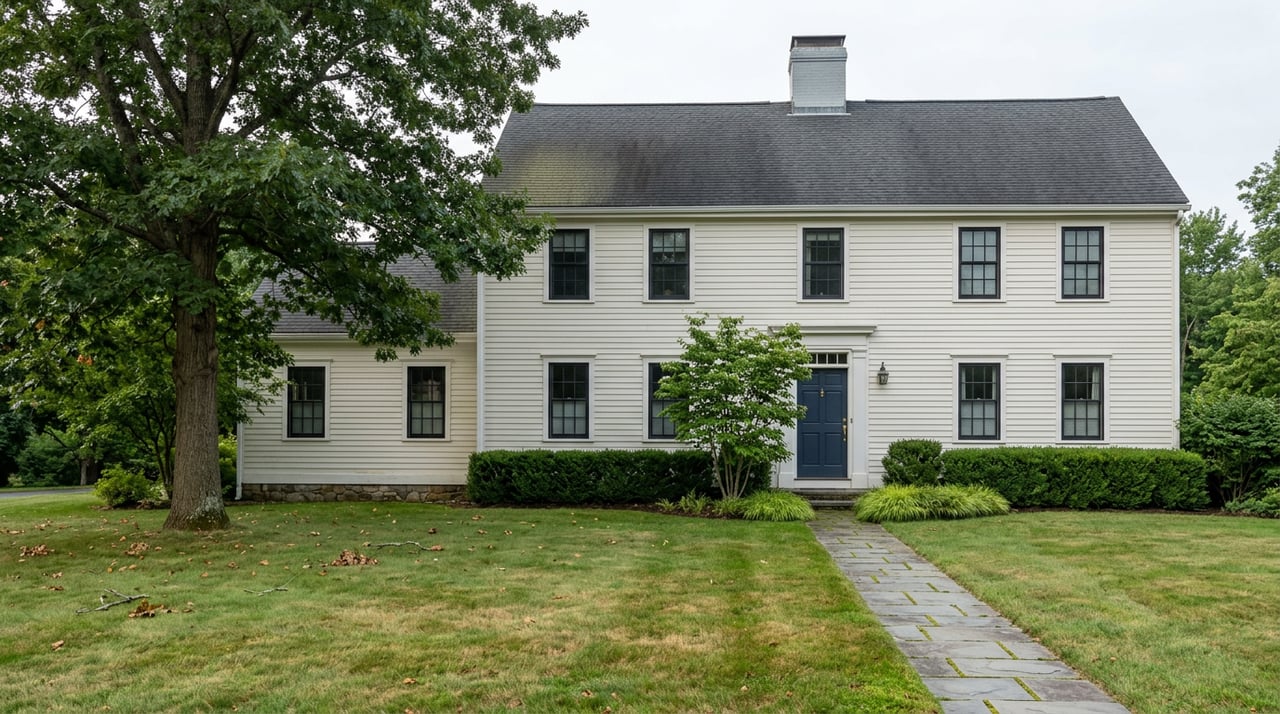
According to Weston’s Housing Production Plan, 89% of the town’s housing units are single-family, and about 87% of occupied units are single-family detached. Most residential land is zoned for single-family development, with minimum lot sizes ranging from 20,000 to 60,000 square feet.
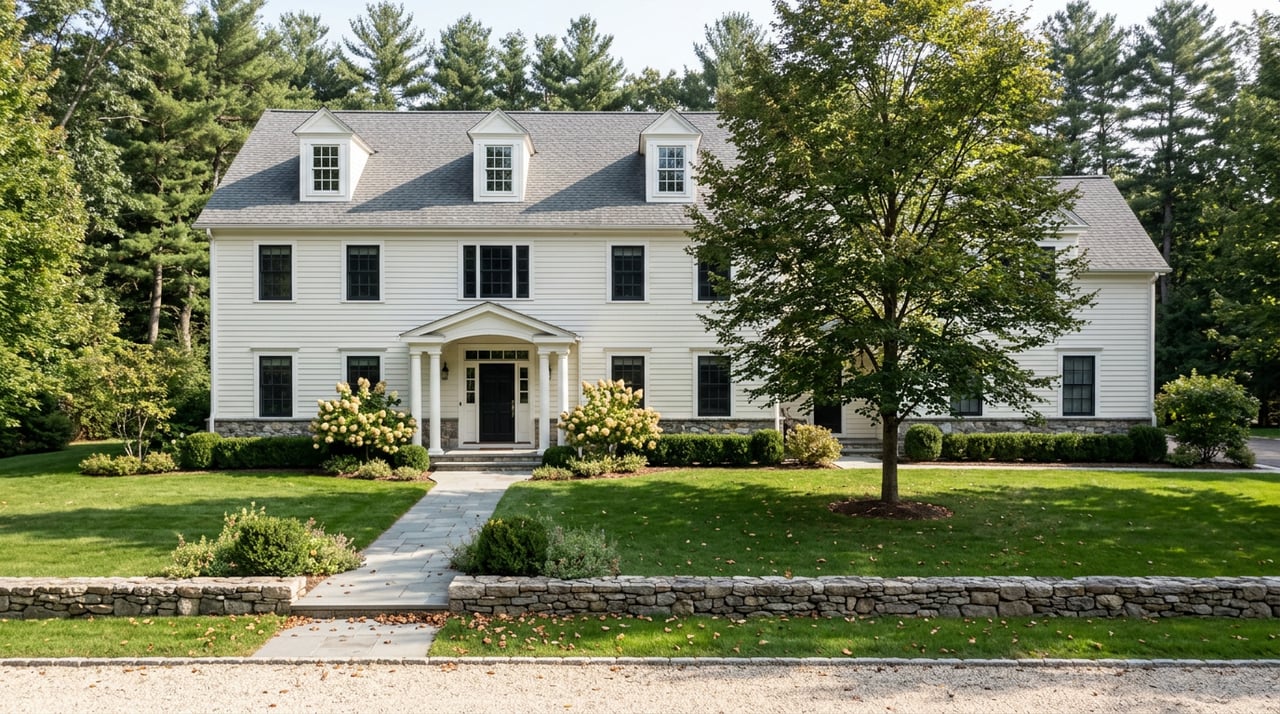
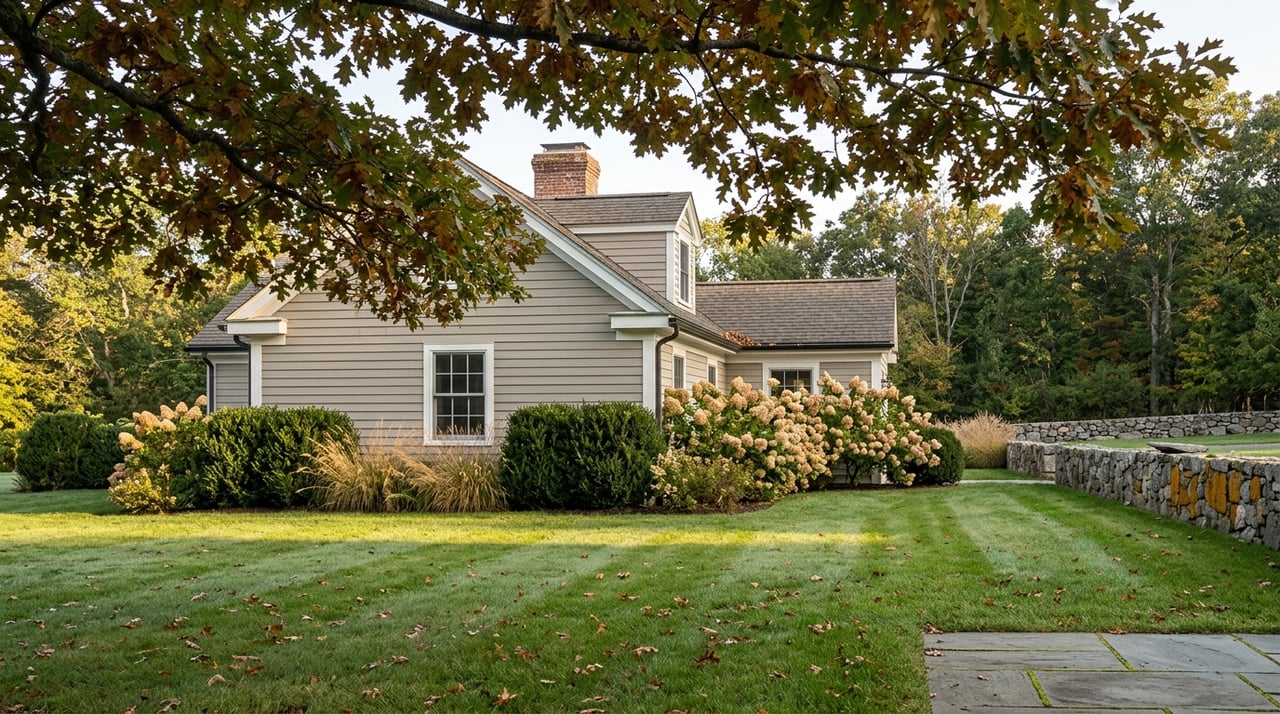
That creates the estate-style feel many buyers are seeking. You will see larger lots, longer driveways, and homes with more interior square footage than you would typically find in Boston or Cambridge. The town also notes that many more modest homes have been replaced over time by larger homes exceeding 6,000 square feet with expansive lawns.
For buyers seeking a true suburban lifestyle upgrade, that can be a major draw. If your priority is more privacy, more outdoor space, and a more traditional detached-home setting, Weston is built for that kind of move.
Some relocations work best in two steps. You may want to rent first, learn the area, and buy later.
In Weston, that option exists, but inventory is limited. The town states that rental housing is very limited and in high demand, which means you should expect fewer choices than in Boston or Cambridge.
Weston does have some non-single-family housing, including Brook School Apartments near Weston Center and a senior-only apartment complex noted by the town. Still, if your plan is to rent before buying, it helps to start early and stay flexible.
Commute planning matters in any relocation, and in Weston it is especially important because transportation is more mode-specific than in the city.
The town identifies Route 30, Route 117, Route 128/I-95, U.S. 20, and I-90 as principal highways. Commuter rail service to North Station is available from Hastings and Kendal Green. Weston also states that there is currently no bus service.
If you commute into Boston, Weston can be a workable choice because of its highway access and commuter rail options. If you commute to Cambridge, the picture is different. Because the town does not offer a direct rail link and has no bus service, many Cambridge-bound commuters plan around driving or transfer-based transit.
Weston’s mean travel time to work is 26.8 minutes. Of course, your actual commute will depend on where in Weston you live, where you work, and whether you drive, take commuter rail, or combine both.
The lifestyle shift is often the reason people make this move in the first place. Weston offers a lower-density environment with more open space and a more residential rhythm.
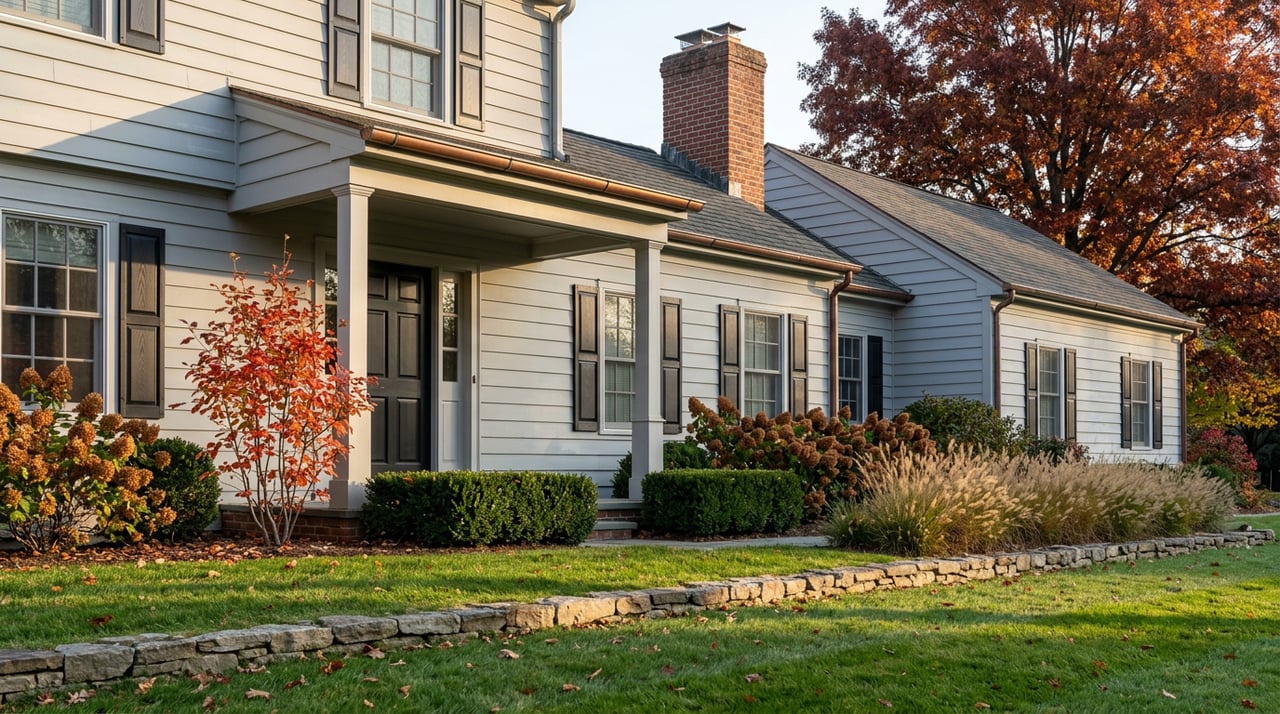
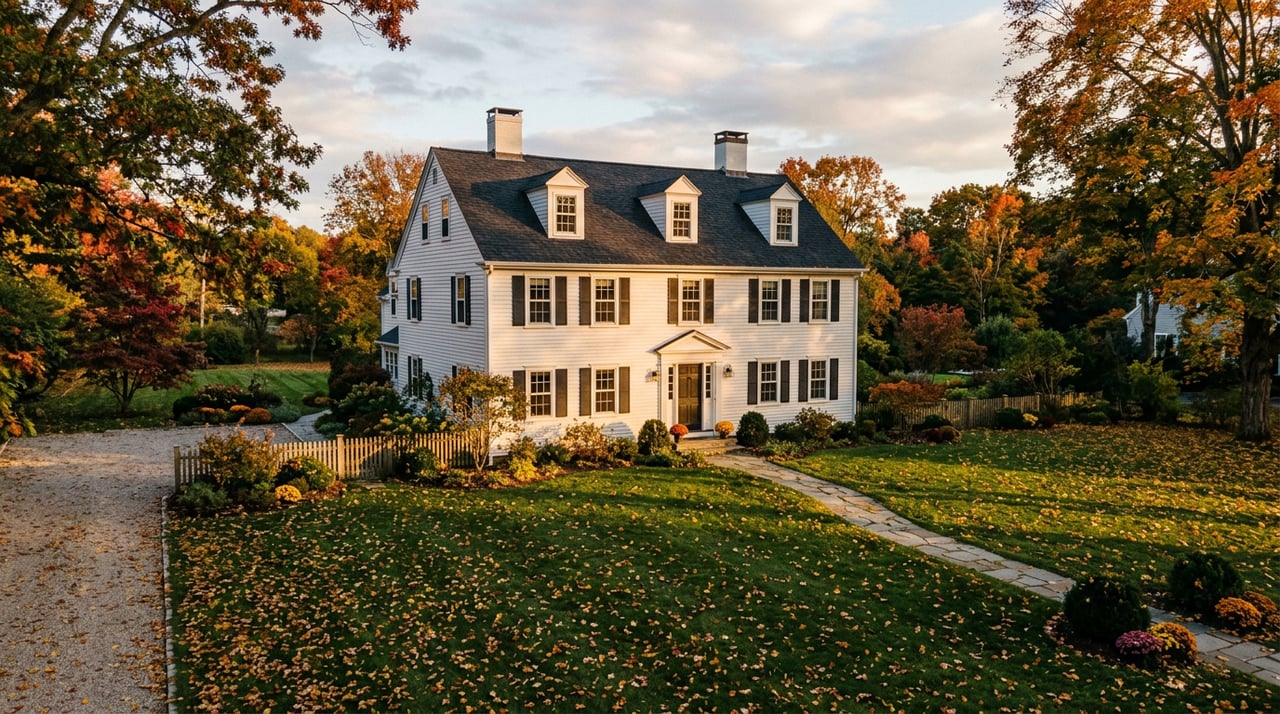
The town’s housing plan describes Weston as retaining rural New England qualities within the Boston metro area. That description fits what many relocating buyers notice first: more land, more trees, and a stronger sense of physical separation between homes and roadways.
Weston also has a deep network of outdoor amenities. The Conservation Commission maintains about 1,800 acres of protected land, roughly 90 miles of trails, and a three-mile segment of the Mass Central Rail Trail.
If your current routine in Boston or Cambridge depends on parks, walking routes, or outdoor time, Weston offers a different version of that access. Instead of dense urban green space, you are stepping into a town where conservation land and trails are part of the everyday landscape.
If you are used to urban retail corridors, Weston Center may feel smaller and more civic in nature. That is by design.
Weston’s town center functions more as the community heart than as an urban commercial core. The Town Center Improvement Project focuses on pedestrian and traffic safety, parking availability, public activity space, and overall appearance.
This means daily errands and social routines may shift. Rather than living in a place where everything is packed into a few blocks, you are moving to a town where civic spaces, community institutions, and local services play a larger role in how residents gather and move through the day.
For a town of its size, Weston offers a substantial range of public amenities. These can become an important part of your day-to-day life after a move.
The Recreation Department lists 13 athletic fields, 15 tennis courts, four basketball courts, and the Weston Memorial Pool, which the town describes as a 20,000-square-foot, 700,000-gallon pool. The Weston Public Library is also a key community resource and includes a Maker Space.
The Weston Art & Innovation Center, which opened in 2019 as a branch of the library, adds another layer to local programming and activity. For buyers relocating from Boston or Cambridge, these town-based amenities often become more central to daily life than they were in the city.
For many relocating buyers, schools are part of the conversation, even if they are not the only factor. Weston Public Schools includes five schools.
The district has also participated in METCO since 1967, bringing approximately 167 students from Boston to Weston’s schools. For families coming from Boston, that detail may stand out because it reflects a long-running connection between the city and the town.
If schools are part of your relocation criteria, it helps to think practically about how a home’s location fits your broader routine, including commuting patterns, after-school logistics, and access to town amenities.
Every move involves trade-offs. Weston offers space and a more residential environment, but it does not function like Boston or Cambridge.
Here are a few of the biggest changes you may notice:
For many buyers, these trade-offs are exactly the point. The move is not about replicating city living in a suburban zip code. It is about choosing a different kind of daily experience.
A successful Weston relocation usually starts with clarity about your priorities. Before you begin touring homes, it helps to define what matters most in this next chapter.
Start with a short list:
Because Weston has a narrower housing mix and a more owner-occupied market, timing and fit matter. A thoughtful, data-driven search can help you avoid comparing Weston homes to city properties on the wrong terms.
Relocating from Boston or Cambridge to Weston is not just about finding a house. It is about matching your lifestyle goals to the right location, property type, and timing.
That is especially true in a market where single-family homes dominate, rental options are limited, and commuting depends heavily on where you land within town. A local advisor can help you evaluate trade-offs clearly, understand the inventory landscape, and focus on the choices that best support your move.
If you are planning a move to Weston from Boston or Cambridge, Denise Mosher can help you navigate the market with local insight, discretion, and a thoughtful strategy tailored to your goals.
Stay up to date on the latest real estate trends.