Preparing Sudbury Homes For A Standout Sale
July 9, 2026
July 9, 2026
Wondering whether you should renovate, repaint, stage, or simply tidy up before listing your Sudbury home? In a market defined by large single-family properties, high owner occupancy, and many homes built before 1970, the smartest pre-sale plan is usually not the biggest one. If you want to protect value, reduce surprises, and present your home with confidence, a disciplined prep strategy can make all the difference. Let’s dive in.
Sudbury has a housing profile that shapes buyer expectations from the start. Town data shows that 94% of housing units are single-family, and QuickFacts reports that 89.9% of homes are owner-occupied, with a median owner-occupied value of $988,900.
That matters because buyers are often evaluating the entire property, not just a refreshed kitchen or a newly painted room. In Sudbury, they are likely to notice exterior condition, maintenance habits, lot presentation, and how well the home’s systems and paperwork appear to have been managed over time.
The age of the housing stock also matters. Sudbury’s master plan notes that more than 40% of homes were built between 1950 and 1969, and nearly half were built before 1970.
For you as a seller, that usually means careful preparation beats speculative remodeling. Buyers often respond best to homes that feel clean, well maintained, appropriately updated, and ready for a smooth transaction.
If you are preparing a Sudbury home for sale, visible condition should come first. In many cases, addressing deferred maintenance, touch-ups, and presentation will do more for buyer confidence than launching into a major renovation with uncertain payoff.
Older homes often have features buyers love, such as original millwork, fireplaces, mature landscaping, and established architectural character. Those strengths tend to show best when the home is clean, repaired, and edited, rather than over-altered.
This is especially important in a town where many homes predate 1970. Age-related concerns like older mechanicals, worn finishes, and possible lead-based paint issues can influence how you plan any pre-listing work.
First impressions start before buyers step inside. The 2025 staging report found that the most common seller-side recommendations were decluttering, cleaning, and improving curb appeal.
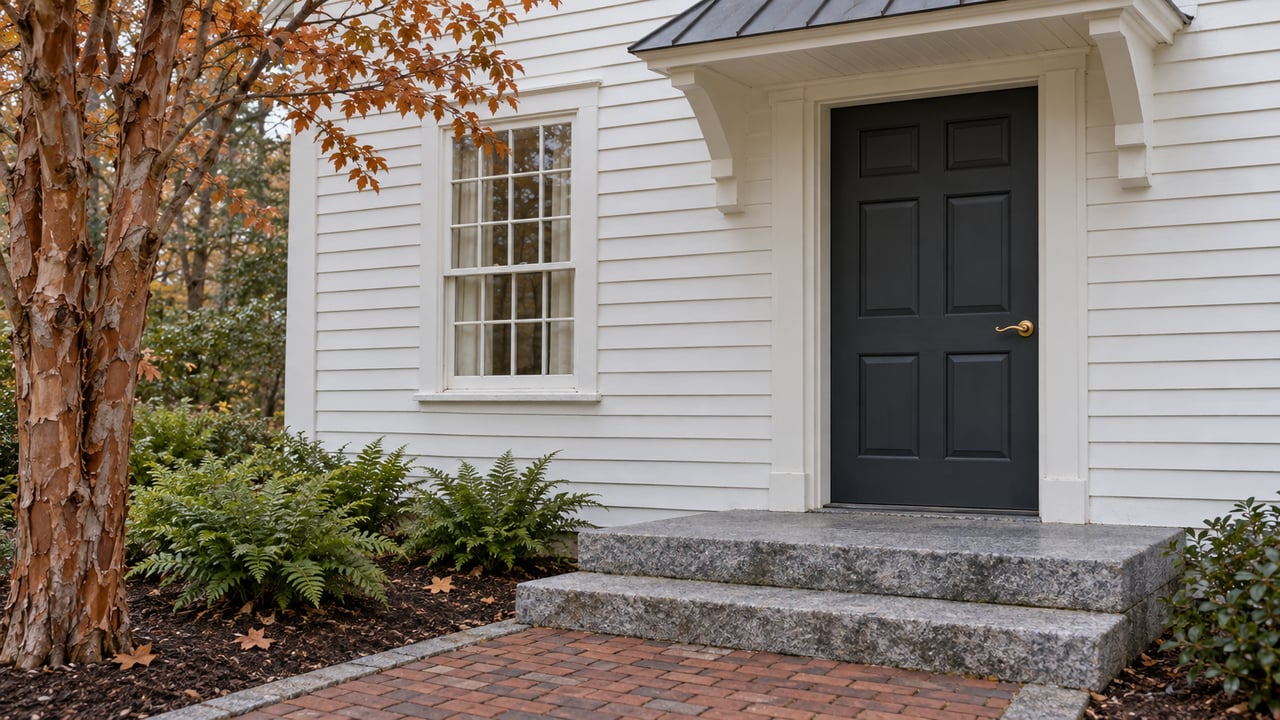
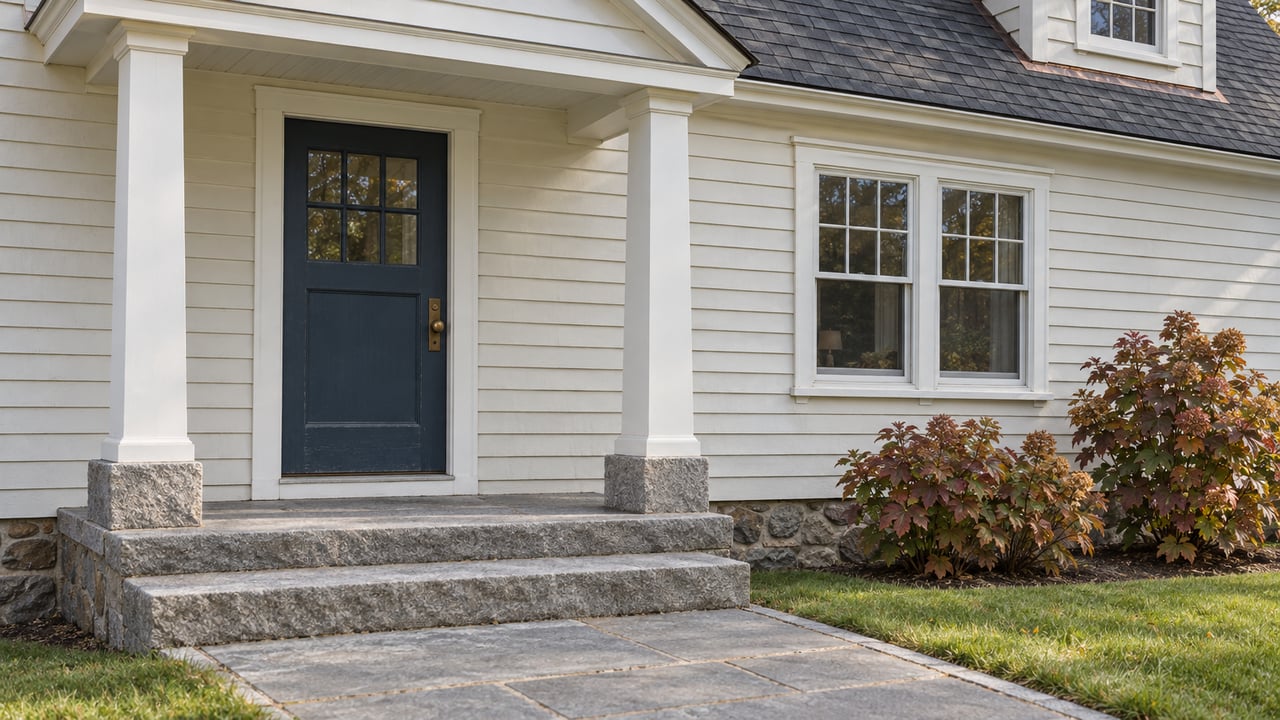
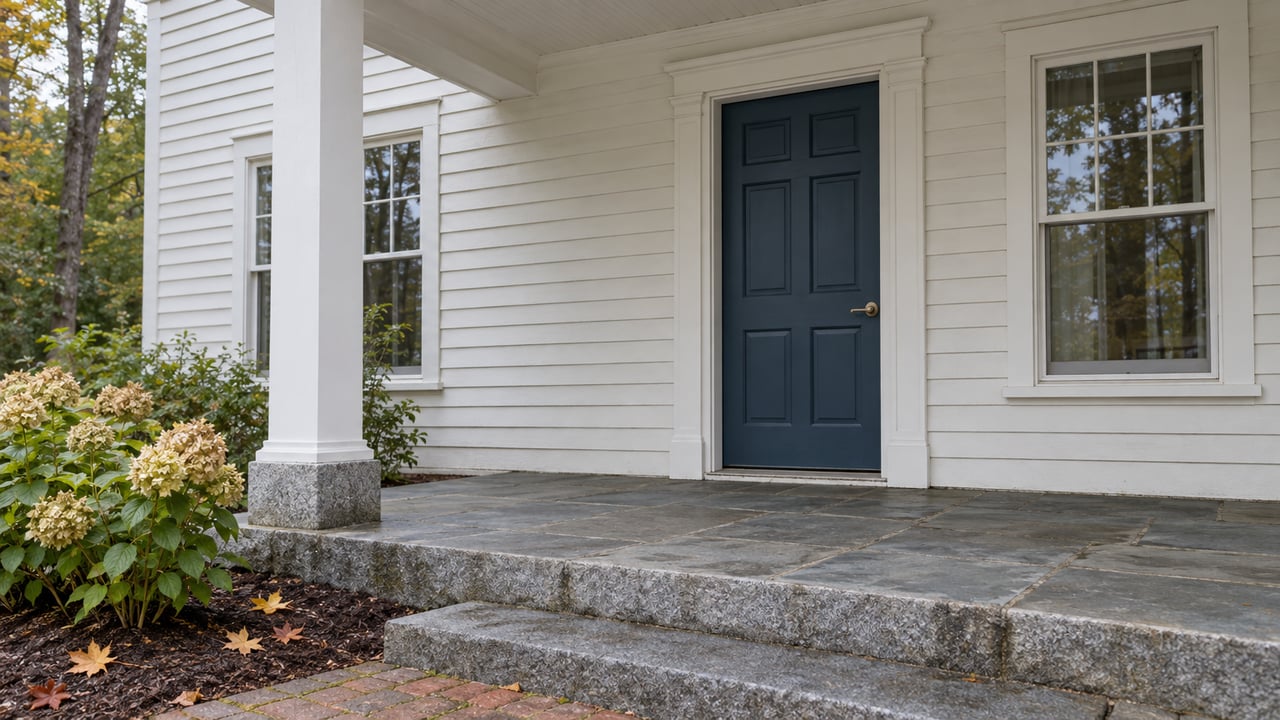
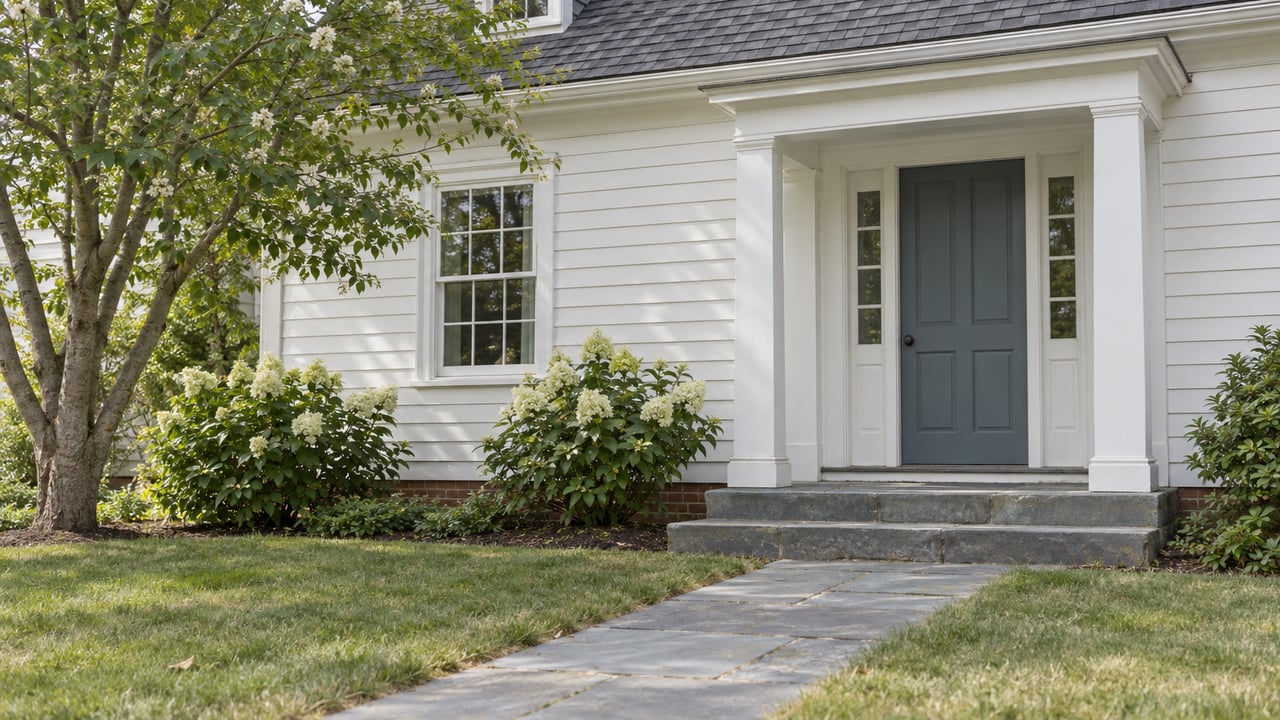
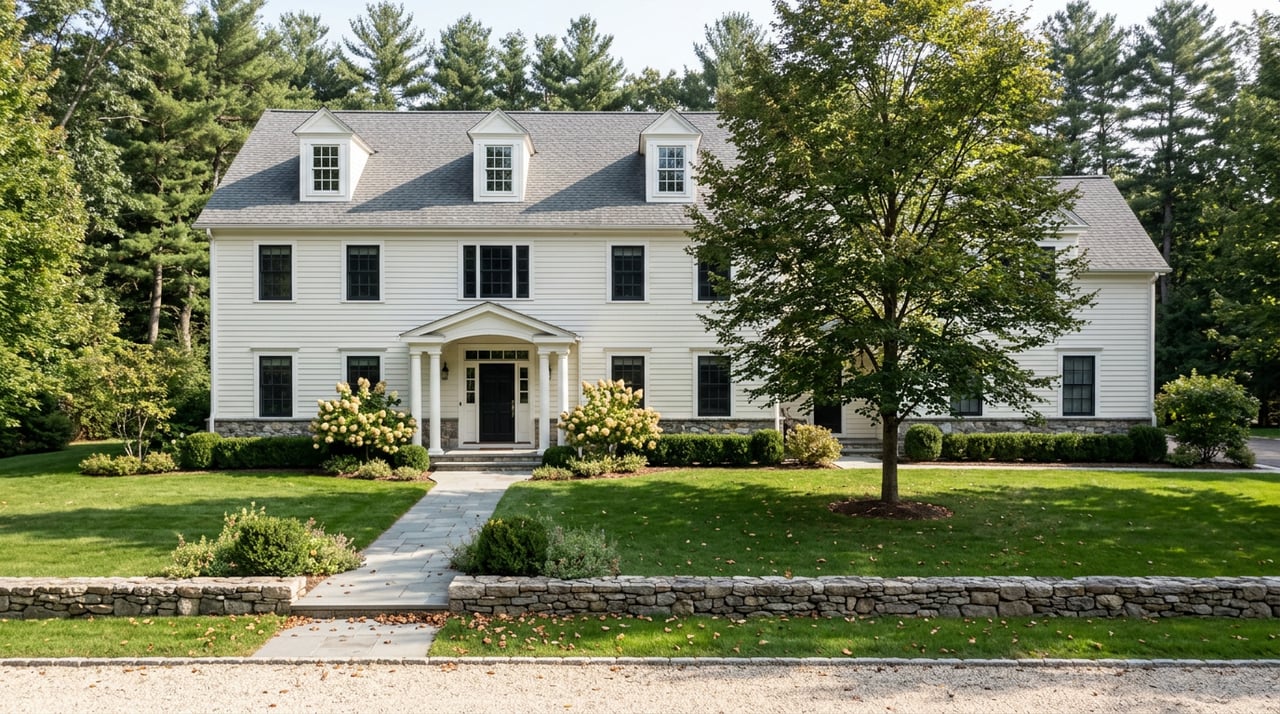
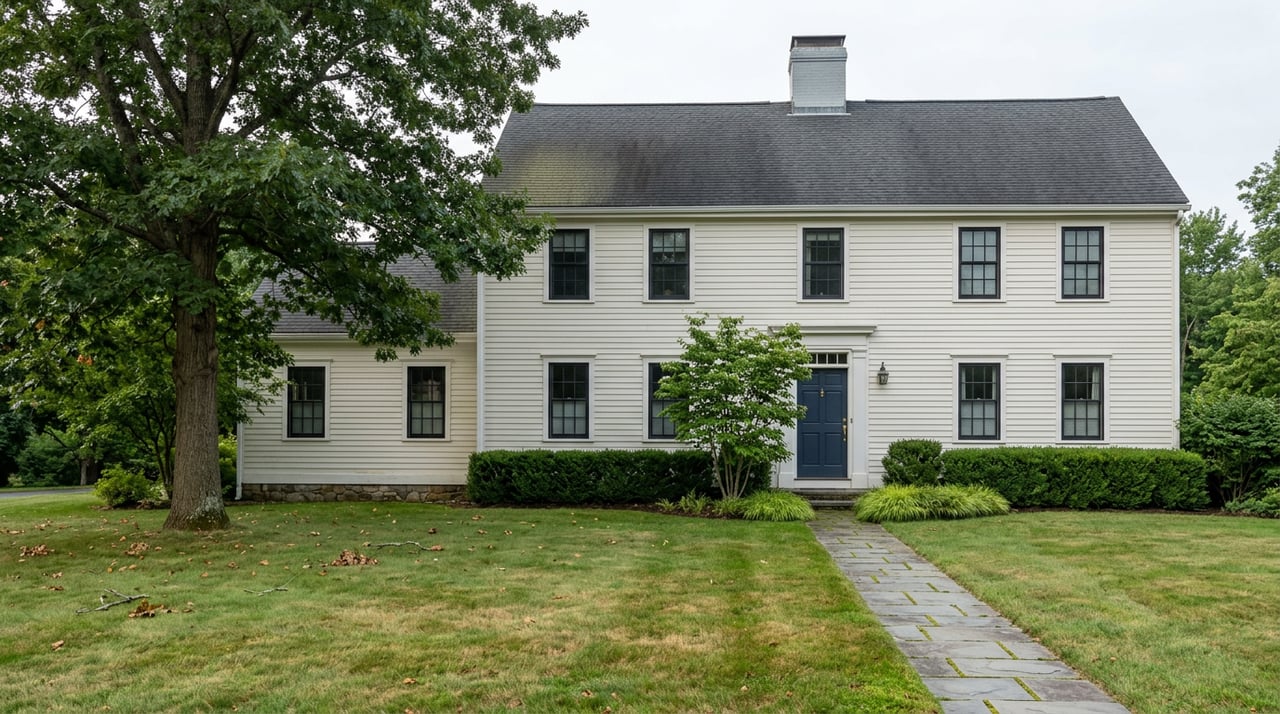
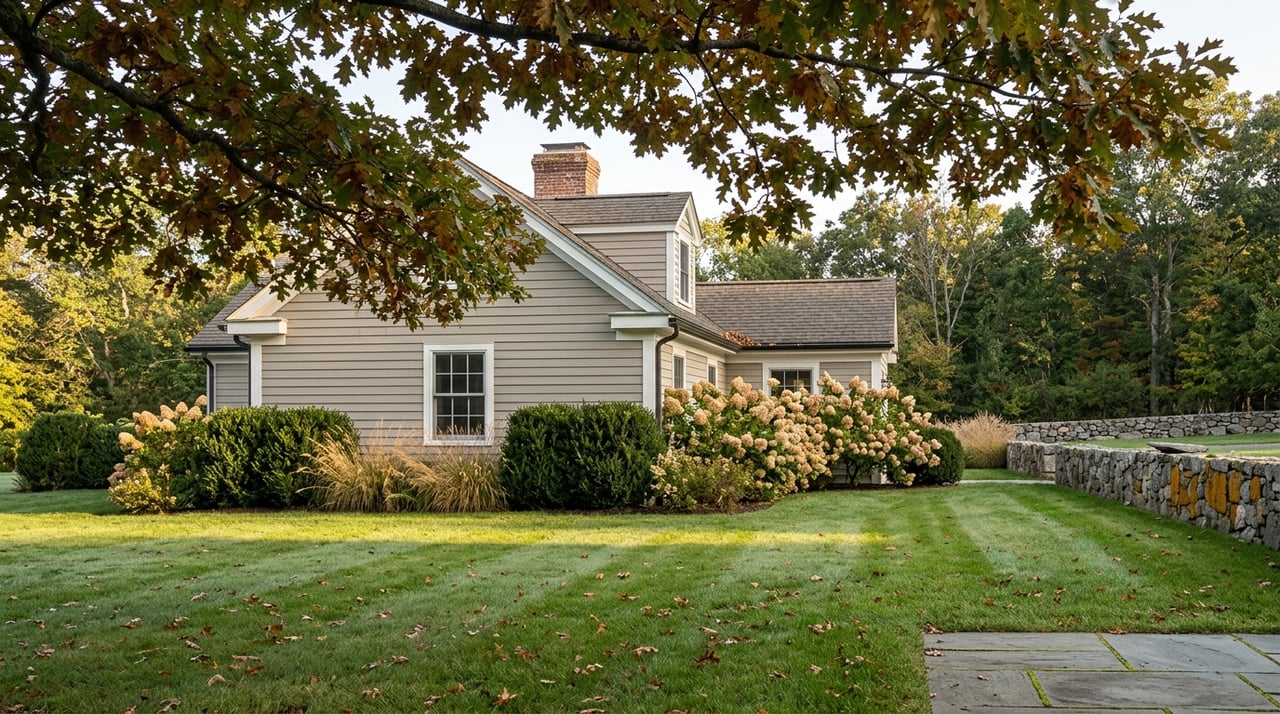
For Sudbury sellers, curb appeal is often about the full setting. Buyers may notice driveway condition, lawn care, foundation plantings, walkways, stone walls, exterior paint, trim, and whether the house feels cared for from the street.
A few practical updates can go a long way:
The goal is not to make your home look generic. The goal is to make it look well kept, intentional, and easy to trust.
If your property is in one of Sudbury’s historic districts, visible exterior changes may require local review. The Historic Districts Commission notes that restrictions can apply to exterior architectural features, color choices, landscaping, stone walls, signs, and other changes visible from a public street.
If you are considering new windows, siding, paint color changes, fencing, stone wall work, or other exterior modifications, check early. Waiting too long can create delays and add stress right before listing.
Even outside a historic district, it is often wise to preserve the home’s original character where possible. For older Sudbury homes, repaired and well-presented original materials can support a stronger overall impression than overly trendy updates.
Staging is not about making a home look artificial. It is about helping buyers understand the space quickly and positively, both online and in person.
The 2025 staging report found that 83% of buyers’ agents said staging made it easier for buyers to picture themselves living in a home. It also found that 29% said staging led to a 1% to 10% increase in the value offered.
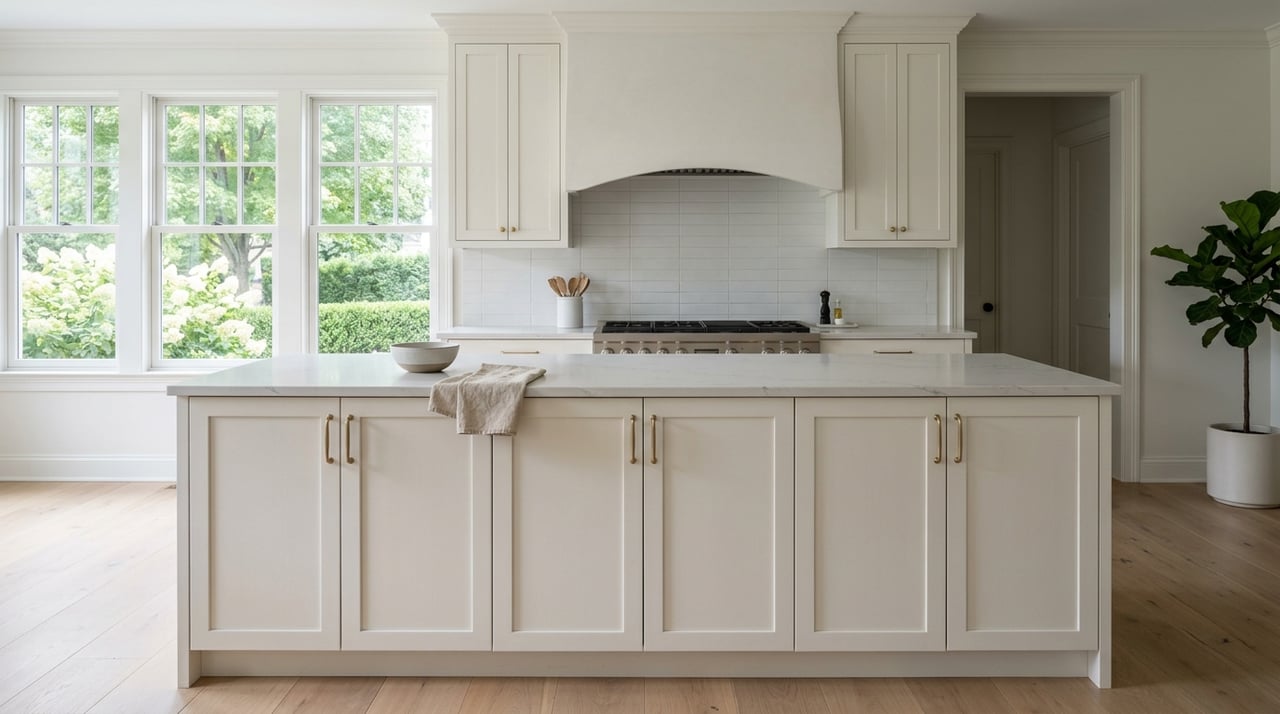
For most Sudbury homes, the highest-impact rooms are:
In larger homes, it can also help to give a clear purpose to bonus rooms, offices, or flexible spaces. If a room feels ambiguous, buyers may see it as wasted square footage instead of an asset.
Many Sudbury homes offer generous room sizes, but that can work against you if furniture placement feels heavy or awkward. Too much furniture can make rooms feel crowded, while too little can make them feel cold or hard to read.
Try to create clean walking paths and obvious focal points. If you have attractive original details like millwork or a fireplace, let those features lead the room.
Online presentation plays a major role in how buyers respond. According to the same staging report, buyers’ agents said photos, physical staging, videos, and virtual tours were all highly important.
That means your prep decisions should be judged through a camera lens as well as in person. Brighten dark rooms, clean windows and trim, simplify surfaces, and remove anything that distracts from scale, light, or architecture.
Because so many Sudbury homes were built before 1970, cosmetic work needs to be planned with care. The town’s master plan specifically notes that homes from this era can present asbestos and lead-based paint concerns.
If your home was built before 1978, lead disclosure requirements are especially important. Massachusetts requires sellers to provide the Property Transfer Lead Paint Notification before signing a purchase and sale agreement.
If you plan to disturb painted surfaces in an older home, use appropriate professionals. For pre-1978 housing, renovation, repair, and painting that disturb lead-based paint require certified firms and lead-safe work practices.
This is one reason broad last-minute remodeling can be risky. A more measured approach often protects both your timeline and your budget.
One of the most valuable things you can do before listing is organize the non-cosmetic side of the sale. In Sudbury, this can have a real impact on how smoothly your transaction moves.
The Sudbury Building Department issues building, electrical, plumbing, and gas permits and requires permits for all construction that is not considered an ordinary repair under the state building code.
If you have an addition, finished basement, deck, major system update, or structural change, confirm the permit history as early as possible. Missing or unclear records can create questions during the sale process.
Sudbury does not have a centralized sewer system. The town is served by septic systems governed under Title 5, and inspections are performed by private state-certified inspectors.
If weather prevents an inspection before sale, Title 5 may allow the inspection to be completed up to six months afterward with written notice to the buyer. Still, it is usually better to understand your septic status early so you can plan around timing, paperwork, and any needed follow-up.
The Sudbury Fire Department performs 26F inspections for smoke and carbon monoxide devices on residential sales. The certificate is valid for 60 days, the inspection fee is $50, and the department recommends scheduling about 45 days before closing.
This is a small but important detail that should not be left to the last minute. A well-timed inspection helps avoid unnecessary closing stress.
A strong sale often starts months before the listing goes live. In Sudbury, a clear timeline can help you stay ahead of repairs, compliance items, and presentation decisions.
Use this period to review the property’s background and identify any issues that could affect timing.
This is the window for visible improvements and exterior polish.
This stage is all about presentation and final documentation.
Not every dollar spent before listing has the same impact. In many Sudbury homes, the best return comes from repairs, cleaning, staging, and focused cosmetic improvements rather than large-scale overhauls.
The 2025 staging report found a median cost of $1,500 for a staging service, compared with $500 when the listing agent handled staging themselves. While every home is different, that helps frame staging as a relatively modest line item compared with a full renovation.
If you are deciding where to invest, ask a simple question: will this improvement make the home look better, feel better maintained, or reduce buyer uncertainty? If the answer is yes, it may be worth doing. If not, it may be something to skip.
In a town like Sudbury, buyers often respond to homes that feel orderly, credible, and thoughtfully presented. They want to see that the property has been cared for and that the sale will be handled with the same level of attention.
That is why standout results often come from a clear plan, not a rushed flurry of projects. When you combine strategic repairs, polished presentation, and early attention to local requirements, your home is better positioned to make a strong impression from day one.
If you are considering a sale in Sudbury and want a tailored prep strategy for your home, connect with Denise Mosher for a complimentary home valuation and thoughtful guidance on what to do, what to skip, and how to present your property at its best.
Stay up to date on the latest real estate trends.