Lincoln MA Arts and Nature: Why the Town Stands Out
June 18, 2026
June 18, 2026
If you are looking for a Boston-area town where culture feels woven into everyday life, Lincoln stands out. Here, art is not limited to a museum visit, nature is not something you drive to once in a while, and architecture is not just background scenery. Together, they shape how the town looks, feels, and functions. If you want to understand Lincoln beyond the basics, this guide will show you why its cultural appeal matters and how it influences daily living. Let’s dive in.
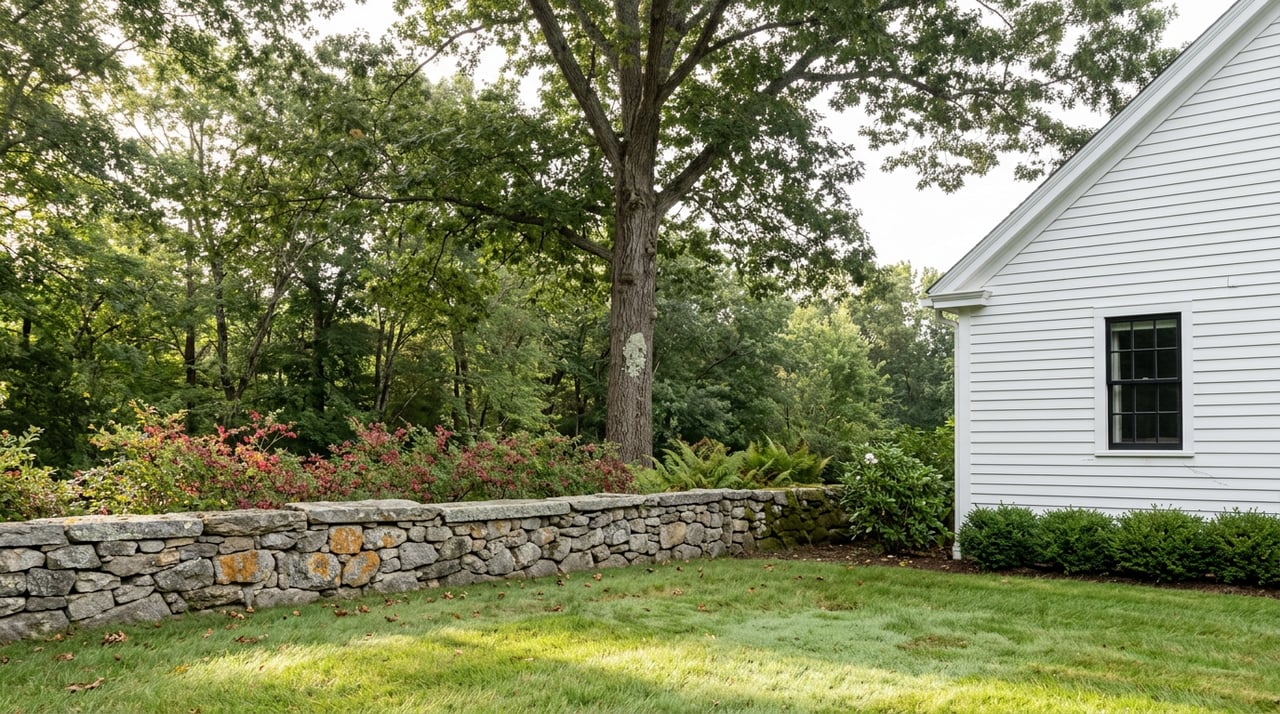
Lincoln has built its identity around a careful balance of preservation, access, and livability. According to the Lincoln Land Conservation Trust, preserving the town’s rural character has been part of its mission since 1957. That long-term approach has helped protect open fields, forests, wetlands, agricultural land, trail connections, wildlife corridors, and habitat.
This is not just a planning idea on paper. The same local sources show that Lincoln residents supported a middle ground between freezing the landscape and allowing uncontrolled development. Over time, that approach helped preserve more than 40% of Lincoln’s open space and shaped a town that feels quieter and more rural than many nearby suburbs.
One of Lincoln’s biggest draws is how easy it is to connect with the outdoors. The town’s 2024 bike-trail map notes about 80 miles of trails across 2,400 acres of conservation land and private property. That amount of access helps explain why walking, biking, and time outdoors feel like a normal part of life here.
The Lincoln Land Conservation Trust also reports that it holds 88 conservation restrictions covering more than 560 acres. In practical terms, that means many of the landscapes that give Lincoln its character are actively protected. For residents and visitors alike, the result is a setting where conserved land is visible, accessible, and tied to the town’s identity.
In Lincoln, open space is not tucked away at the edges of town. It is part of the town’s structure and rhythm. Trails, fields, woods, and habitat areas influence how the town feels from one destination to the next.
That matters if you value a setting that feels grounded and intentional. Lincoln’s conservation network gives the town breathing room while still supporting a connected community experience. You can see that balance in both the landscape and the way daily routines unfold.
Lincoln’s rural character is matched by a small but practical town center. The Lincoln Land Conservation Trust describes Lincoln Station as the town center, with an MBTA commuter rail stop, café, restaurant, supermarket, and other retail and office uses. This gives Lincoln an everyday hub without shifting the town away from its preservation-minded identity.
There is also an unusual local connection here. LLCT states that net proceeds from the commercial center are reinvested into conservation. That relationship reflects one of Lincoln’s defining qualities: even its commercial core is tied back to the broader goal of protecting the town’s character.
For many buyers, Lincoln’s appeal is not about having a large commercial district. It is about having useful amenities in a setting that still feels measured and calm. Lincoln Station supports that balance by offering commuter rail access and basic conveniences within a compact center.
That combination can be especially attractive if you want access to Boston-area commuting options while still living in a town known for open land and a village-scale feel. In Lincoln, the town center complements the landscape rather than competing with it.
When people think about Lincoln’s cultural identity, deCordova Sculpture Park and Museum often comes to mind first. The Trustees describe it as the largest park of its kind in New England, with more than 60 outdoor works and year-round programming such as guided tours, yoga, and artist conversations. Even with the indoor galleries closed for renovations expected to reopen in spring 2028, the sculpture park, café, and store remain open.
What makes deCordova especially compelling is how it blends art with the landscape. Outdoor sculpture invites a different kind of experience than a traditional museum setting. In Lincoln, that pairing of art and open air feels very much in step with the town itself.
Lincoln’s arts culture is not only for special occasions. A place like deCordova makes art part of a more casual and repeatable routine. You can return for programs, spend time outdoors, and engage with changing perspectives through both the collection and the setting.
The Trustees also note that deCordova is home to Lincoln Nursery School, the first preschool embedded in a contemporary art museum in the United States. That detail says a lot about Lincoln’s character. Art here is not isolated from daily life. It is integrated into how people learn, gather, and spend time.
Lincoln’s official attractions page shows that the town’s cultural appeal extends well beyond one destination. Local attractions listed by the town include Codman House, Gropius House, Drumlin Farm, Minute Man National Historical Park, Pierce House, and the Thoreau Institute. Together, these places create a varied cultural landscape that includes art, history, architecture, agriculture, and conservation.
That range is part of what makes Lincoln so appealing to people who want more than one kind of amenity. You are not choosing between outdoor access and cultural destinations. In Lincoln, those experiences often sit side by side.
Drumlin Farm is a good example of Lincoln’s layered identity. Mass Audubon describes it as a 291-acre wildlife sanctuary that also functions as a working farm and environmental education center. Visitors can experience trails, farm animals, native wildlife, and educational programs in one place.
This kind of amenity adds depth to Lincoln’s nature culture. It is recreational, educational, and rooted in the landscape. For many people, that makes Lincoln feel especially rich in day-to-day experiences.
Lincoln also has a direct connection to regional history. The town’s attractions page, along with the National Park Service, notes that Minute Man National Historical Park has a visitor center in Lincoln and spans 1,038 acres across three towns. That presence adds another dimension to Lincoln’s cultural environment.
Historic places in Lincoln are not treated as isolated landmarks. They are part of a broader town pattern that values preservation, interpretation, and public access. That continuity helps the town feel both grounded and thoughtfully maintained.
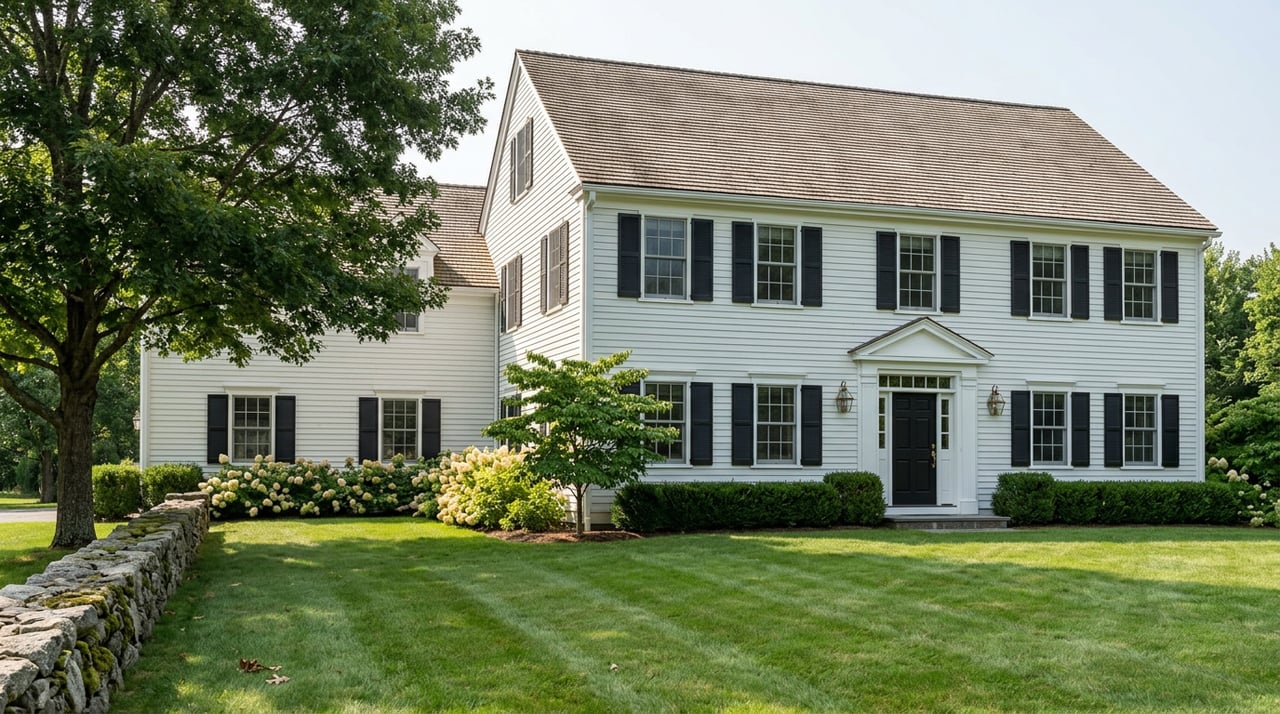
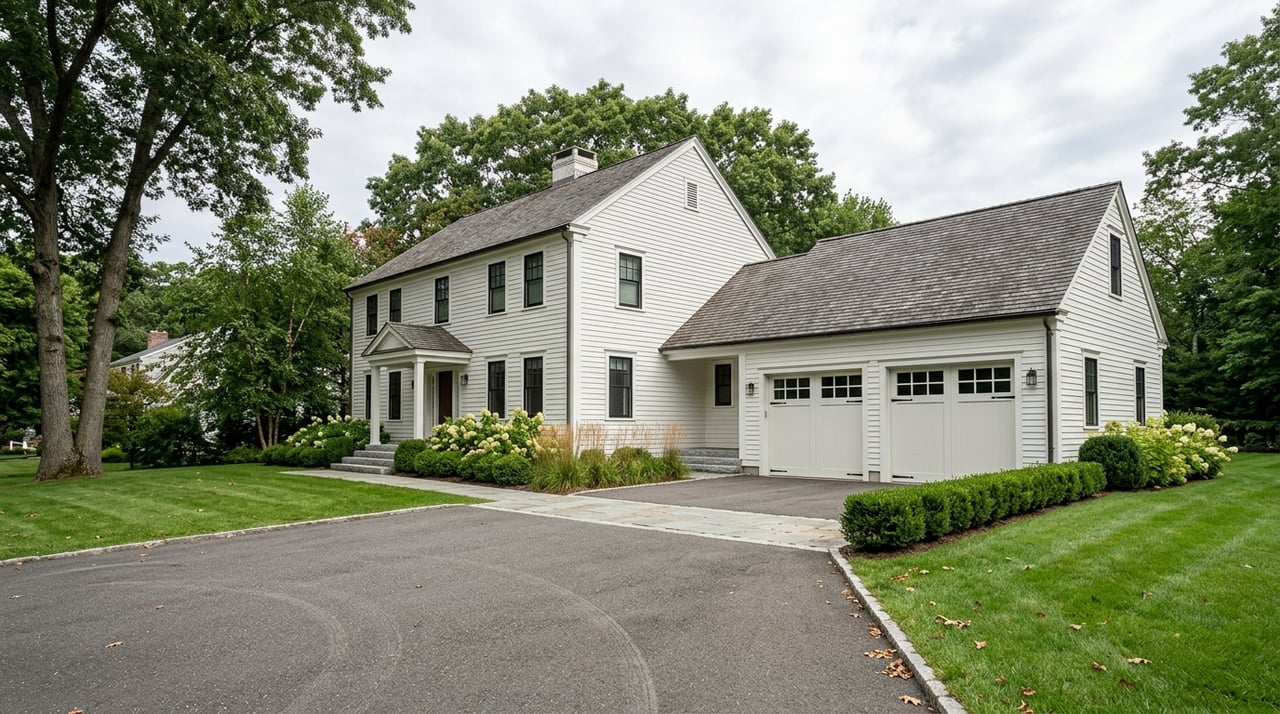
Lincoln’s built environment is one of its most interesting features. The Historic District Commission states that its mission is to preserve the town’s distinctive architectural characteristics and settings, while reviewing exterior alterations and demolitions within historic districts. The Historical Commission similarly works to preserve and promote the town’s historical and architectural assets, including structures outside those districts.
This tells you something important about Lincoln. Preservation is active here, not passive. The town has formal structures in place to help maintain the qualities that make its streetscapes and properties distinctive.
Lincoln’s reconnaissance report says the town has about 200 historic resources and five National Register districts: Grange Complex/Codman Estate, Gropius House, Lincoln Center Historic District, Minute Man National Historical Park, and Woods End Road Historic District. That is a meaningful concentration for a town of Lincoln’s size.
The same report describes Lincoln Center as the historic center of town, with the library, Bemis Hall, a white church, and a stone church. This helps explain why visitors often notice the town’s civic character right away. The setting feels cohesive, scaled for community use, and rooted in local history.
Lincoln is also notable for its Modern residential architecture. Historic New England notes that Gropius House is a National Historic Landmark and says Lincoln has more than sixty mid-century Modern structures. FoMA’s Lincoln Historic District materials use a broader count, stating that the town has over 300 Modern houses and buildings, with a 2018 initiative adding 28 houses to the historic district, including 11 in Brown’s Wood, to better reflect Lincoln’s Modern legacy.
The exact count depends on how the inventory is measured, but the takeaway is clear. Lincoln has an unusually strong modernist architectural presence for a small town. That gives the local housing and streetscape character a depth you do not find in every suburban market.
Gropius House is one of the town’s best-known architectural landmarks, and for good reason. As a National Historic Landmark, it connects Lincoln to a major chapter in Modern design history. Its presence also helps explain why architecture enthusiasts often see Lincoln as a standout destination in Greater Boston.
For buyers who pay attention to design, this matters. A town’s architectural identity influences everything from visual appeal to long-term distinctiveness. In Lincoln, modernism is not an isolated exception. It is part of the town’s broader cultural fabric.
Some of Lincoln’s most notable places show how buildings and land are meant to be experienced together. Historic New England describes the circa 1740 Codman Estate as a country house with art-filled interiors, formal gardens, and a connection to conservation trails. The Town of Lincoln says the circa 1900 Pierce House sits in the Lincoln Center Historic District, was listed on the National Register in 1985, and includes 30 acres of rolling lawns and woodlands.
These examples reinforce a central theme in Lincoln: architecture is rarely separate from the setting around it. Instead, houses, gardens, open land, and trails often work together to create a fuller experience of place.
If you are considering Lincoln, its appeal is not only that it offers art, nature, and architecture. It is that these elements are embedded in everyday life. You can see that in the trail system, the conservation framework, the small-scale town center, the range of cultural institutions, and the visible commitment to preservation.
For buyers who value setting, design, and a strong sense of place, Lincoln offers something increasingly rare. It feels intentional. The town’s physical form reflects decades of choices about how land should be protected, how culture should be supported, and how growth should remain in balance with character.
If you are exploring Lincoln as part of a MetroWest move, understanding these qualities can help you evaluate not just a home, but the experience of living here. For tailored guidance on Lincoln and other premier MetroWest communities, connect with Denise Mosher.
Stay up to date on the latest real estate trends.