Wayland MA Lifestyle for Busy Professionals
June 4, 2026
June 4, 2026
If your workdays move fast, where you live needs to make life easier, not more complicated. You may want a home base that feels calm at the end of a long day, yet still keeps Boston, regional business hubs, and everyday essentials within reach. In Wayland, that balance is a big part of the appeal. Here’s what to know if you’re considering living in Wayland as a busy professional.
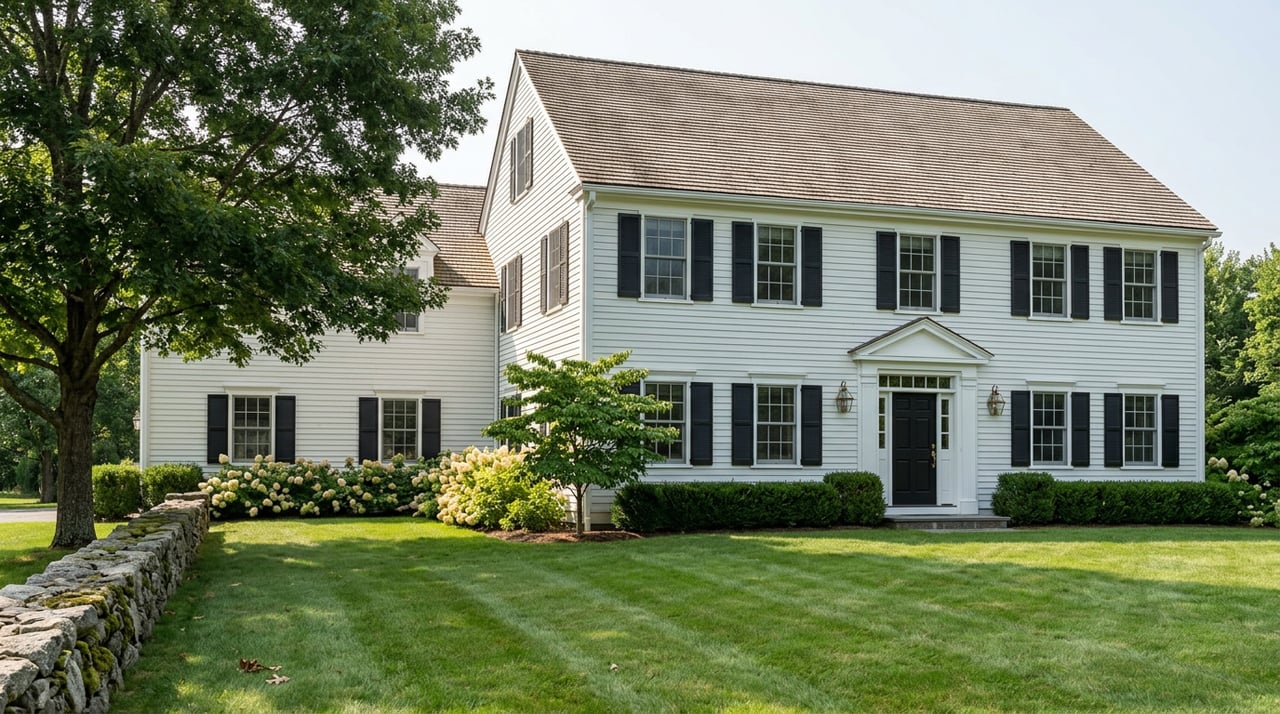
Wayland offers a quieter, semi-rural setting in MetroWest, roughly between Boston and Worcester. The town describes itself as a peaceful place with access to regional shopping, dining, sightseeing, and entertainment, and notes that this mix appeals to urban professionals who want proximity to Boston without living in a denser environment.
That lifestyle can be especially attractive if you spend your weekdays in meetings, commuting, or traveling for work. Instead of a highly urban, transit-first setting, Wayland gives you space, a more relaxed pace, and practical access to nearby routes and destinations.
The most accurate way to think about Wayland is as a calm suburban home base. It is not a walkable urban center with a train station in town and blocks of retail around every corner. It is a community where you can cover the basics locally, enjoy meaningful outdoor access, and reach additional services and destinations nearby.
For many professionals, that tradeoff makes sense. You gain a quieter environment and more breathing room, while still staying connected to the broader MetroWest and Greater Boston region.
Wayland sits within a region served by I-495, I-95, Route 9, and the Mass Turnpike. A town-commissioned review using ACS data reported a mean travel time to work of 30.8 minutes, which helps frame Wayland as connected, but not urban-core convenient.
If you drive for all or part of your commute, that regional access is an important part of the town’s appeal. It gives you flexibility for reaching Boston-area offices, nearby suburbs, and other employment centers across MetroWest.
One of the most important practical points is simple: Wayland does not have an MBTA commuter rail station within town boundaries. If rail access matters to your routine, you will likely be driving to a nearby station rather than walking to one.
The Framingham/Worcester Line runs nearby, with stations in Framingham, West Natick, Natick Center, and Wellesley all within 10 miles of Main Street. For many busy households, that makes Wayland more of a drive-and-ride location than a transit-first community.
Natick’s official transit information identifies the Framingham/Worcester Line as running between Boston South Station and Worcester Union Station. It also lists South Station, Back Bay, and Lansdowne/Longwood Medical Area among the line’s key destinations.
That means a Boston commute from Wayland is very doable for many residents, but it usually requires planning around a drive to the station first. West Natick has a 178-space MBTA lot, Natick Center uses a mix of short-term public parking and nearby commuter parking, and Framingham’s Waverly Street commuter lot sits directly across from the station.
Wayland does offer local transit resources, but they are geared primarily toward seniors and residents with disabilities. The town describes MWRTA Dial-A-Ride as a curb-to-curb service for eligible riders, used for shopping, leisure, work, and medical trips with advance reservations.
For most professionals, the day-to-day transportation reality is car-oriented living with nearby rail access as an option. If you are deciding between suburbs, that distinction is worth understanding early.
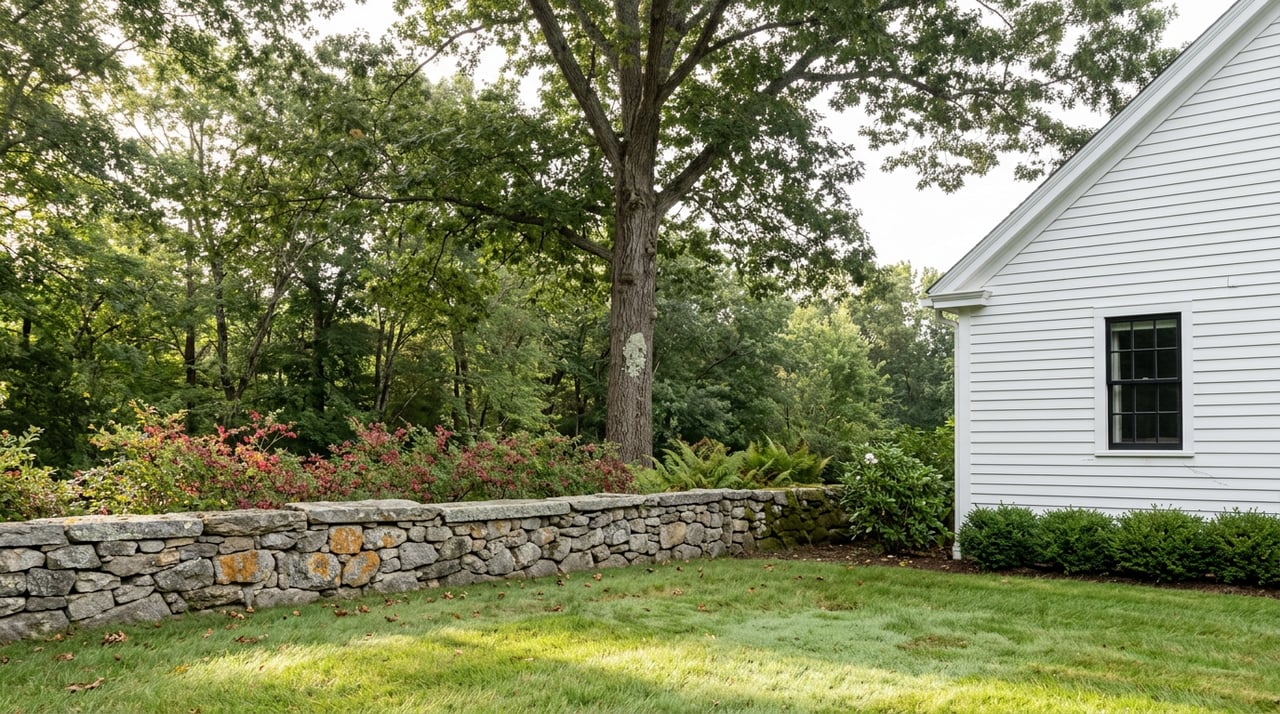
When your schedule is full, easy access to outdoor space can matter just as much as commute logistics. Wayland’s Conservation Commission manages 19 major conservation areas with trails suited for walking, hiking, and snowshoeing.
The town’s conservation resources also emphasize wetlands, sensitive habitats, and preserved open space. In practical terms, that gives you simple ways to step outside after work, clear your head, and enjoy a quieter rhythm close to home.
Town Beach on Lake Cochituate brings a strong recreational option right into the local lifestyle mix. Wayland lists freshwater swimming, boating, boat rentals, swimming lessons, walking trails, seasonal lifeguards, water-quality testing, and a snack bar among the features and amenities.
Rentals include kayaks, canoes, stand-up paddleboards, and pedal boats. If you value active downtime that does not require a long drive or much planning, this is a meaningful benefit.
Cochituate State Park connects to the same lake system, with Lake Cochituate as its central feature. The park’s headquarters are in Wayland, reinforcing how closely the town is tied to this outdoor asset.
Wayland is also part of the Mass Central Rail Trail network. The completed Weston-Wayland segment opened in 2019, expanding local walking and cycling options beyond neighborhood roads.
For even more outdoor variety, Great Meadows National Wildlife Refuge in nearby Sudbury and Concord offers trails, birding, fishing, snowshoeing, boating, and wetlands access. The refuge reports a bird list of more than 220 species, and its Sudbury unit includes a non-motorized boat launch.
If your week is packed, convenience matters most when it is dependable. Wayland Town Center is the clearest day-to-day hub in town, located at the meeting point of Routes 20, 27, and 126.
An official town flyer describes it as a mixed-use project with retail tenants including Stop & Shop, restaurants, Middlesex Savings Bank, Town Center Orthodontics, and other services. For busy professionals, that means many routine errands can stay local.
The Wayland Free Public Library is another useful resource, especially if you value flexible hours. The town lists the library at 5 Concord Road and notes that it stays open until 9 p.m. Monday through Thursday, with weekend hours as well.
That may seem like a small detail, but it reflects something important about Wayland living. The town is not trying to be a dense commercial district. Instead, it offers practical infrastructure that supports a steady, manageable routine.
Wayland can be a strong match if you want a quieter setting, access to nature, and enough local convenience to keep daily life efficient. It is especially compelling if you are comfortable with a car-oriented routine and see nearby commuter rail as a useful tool rather than a necessity at your doorstep.
It may be less ideal if your top priority is living in a highly walkable town center with direct in-town rail service. The lifestyle here is better defined by space, calm, and regional access than by dense urban convenience.
Before choosing Wayland, it helps to think through a few lifestyle questions:
For many professionals, the answer is yes. Wayland’s appeal comes from being a composed, well-located home base rather than an always-on destination.
If you are evaluating Wayland alongside Weston, Wellesley, Lincoln, or Sudbury, the differences often come down to commute style, setting, and how you define convenience in daily life. A clear, data-driven comparison can make that decision much easier.
If you’re considering a move to Wayland or another MetroWest suburb, Denise Mosher offers thoughtful, highly personalized guidance for buyers seeking space, discretion, and a seamless relocation experience.
Stay up to date on the latest real estate trends.