Living On Larger Lots In Sudbury: Space, Privacy And Care
June 11, 2026
June 11, 2026
If you are drawn to Sudbury for more land, more privacy, and a quieter setting, you are not alone. Larger lots can offer a very appealing lifestyle, but in Sudbury, raw acreage is only part of the story. If you are buying, selling, or planning ahead, understanding how space, privacy, and property care work together can help you make smarter decisions. Let’s dive in.
Sudbury is part of the MetroWest commuter-suburb market, with an estimated 19,643 residents in 2025 and 24.27 square miles of land area. The town also stands out for its high rate of owner-occupied housing at 89.9%, along with a median owner-occupied home value of $988,900 and median household income of $236,250. For many buyers, that points to a market where long-term ownership and property stewardship matter.
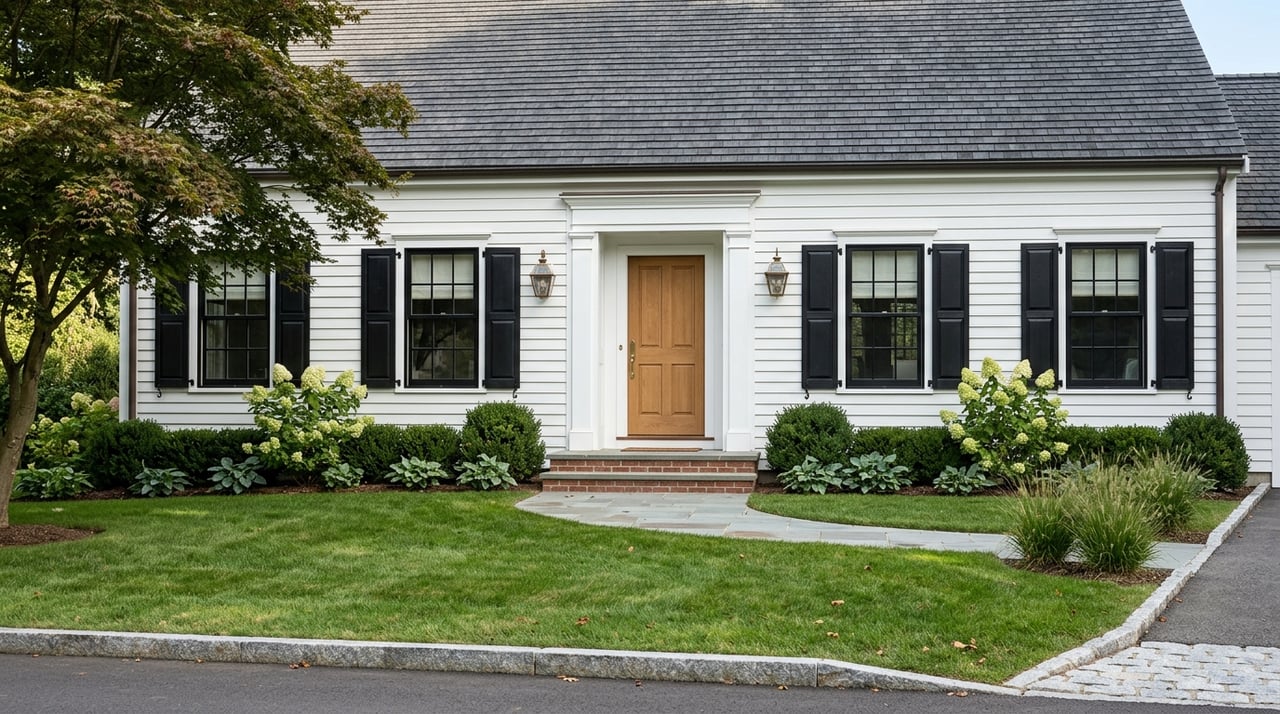
The town’s housing pattern helps explain why larger lots are such a consistent draw. Sudbury’s 2021 Master Plan says most residential areas are made up of single-family homes, many on lots between one and two acres. In Rural Residential areas, especially around the historic Wayside Inn, lots are primarily five acres or more.
That said, true large-lot inventory is not endless. The same Master Plan notes that Sudbury has only a small number of sizeable parcels remaining. In practical terms, that means buyers often need to look beyond the lot size on paper and focus on how a property actually lives day to day.
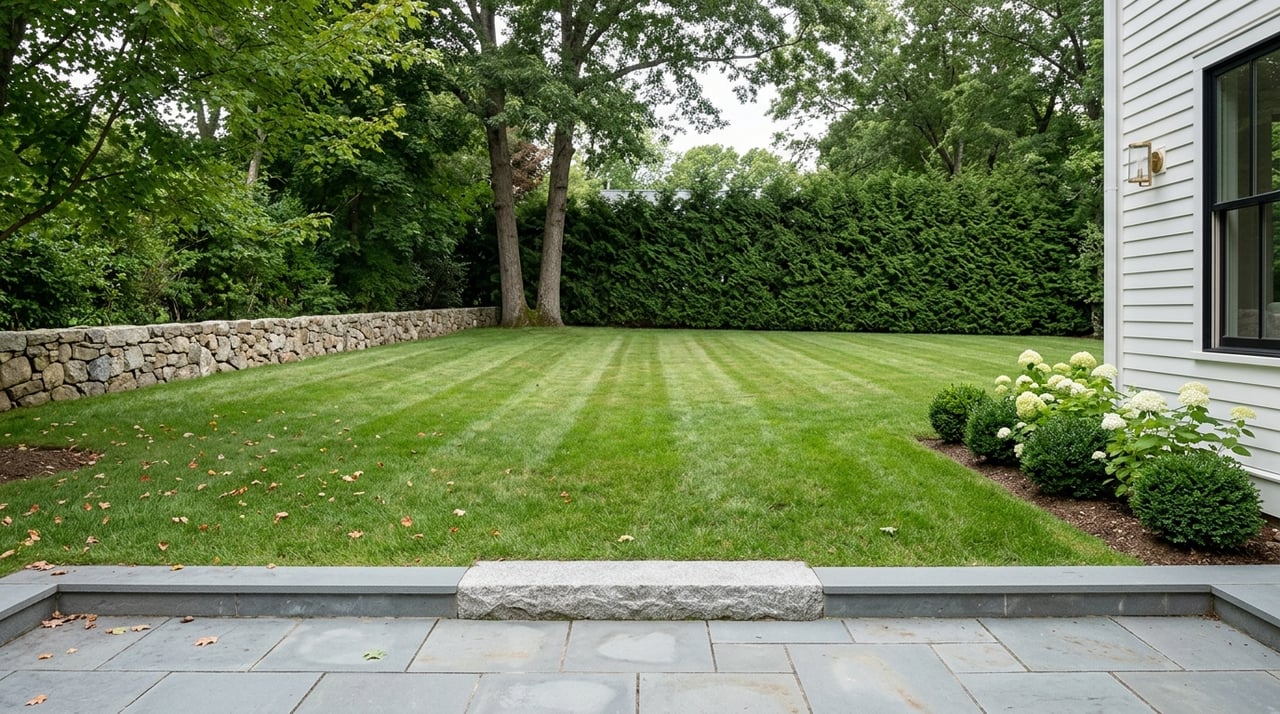
A larger lot in Sudbury often creates more separation from nearby homes and more room for outdoor living. That can translate to a calmer visual setting, added flexibility, and a stronger sense of privacy. It is not a guarantee on every parcel, but it is a common reason buyers are drawn to the town.
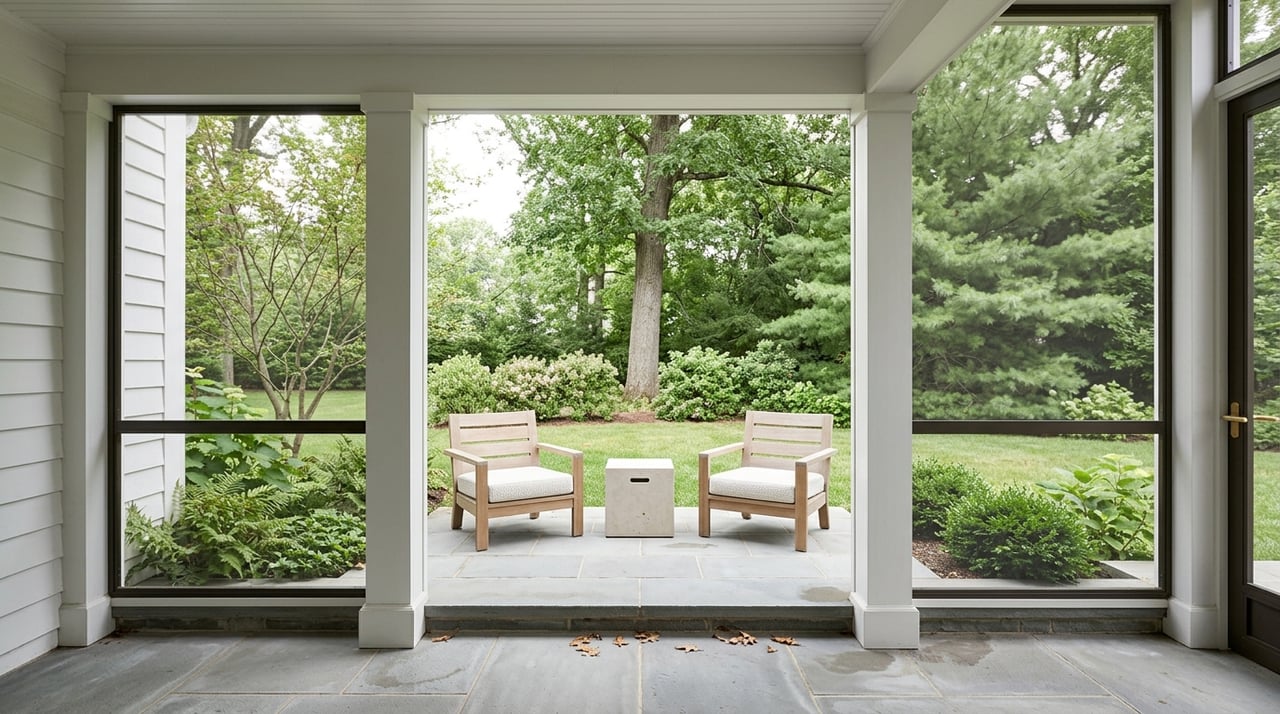
You may also find more options for how you use your outdoor space. Gardens, patios, open lawn, and general recreation areas are all possible uses people often imagine when considering larger properties. Still, the actual layout and usability depend on site conditions and local restrictions.
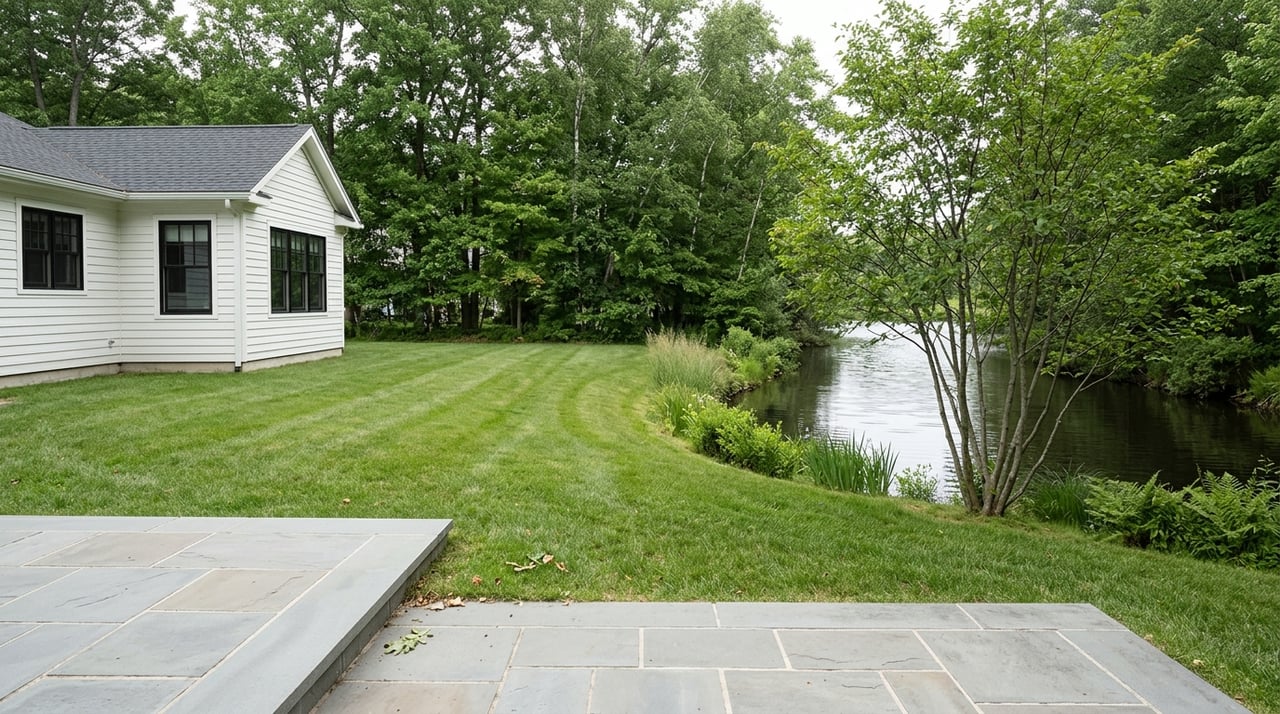
Sudbury’s natural setting is also part of the appeal. The Master Plan describes the town as treasured for its waterways, forests, and trails, and the Conservation Commission notes that all but one of Sudbury’s large conservation parcels are open for passive recreation. Local conservation lands include Barton Farm, Broadacres, Davis Farm, Frost Farm, Haynes Meadow, Hop Brook Marsh, King Philip Woods, Landham Brook Marsh, Lincoln Meadows, Nobscot Conservation Land, Piper Farm, Poor Farm Meadow, and Tippling Rock.
This is one of the biggest points to understand about larger lots in Sudbury. A five-acre property does not always function like five open, flexible acres. Depending on the parcel, wetlands, buffers, drainage constraints, septic areas, and conservation restrictions may reduce what can actually be improved or used.
Sudbury’s Conservation Commission says the town is nearly one-third wetlands. It also states that work within 100 feet of wetlands and 200 feet of perennial streams requires permitting. That can directly affect future plans for additions, landscaping, grading, tree work, or other exterior changes.
Conservation restrictions can narrow your options even further. According to the town, these restrictions can permanently limit building or major alteration and may restrict roads, tree cutting, or excavation. For buyers, that means the most important question is often not “How big is the lot?” but “How much of this lot is truly usable?”
Owning more land can be rewarding, but it also brings more responsibility. Larger lots are not maintenance-free, even when they look simple at first glance. In Sudbury, stewardship often includes understanding drainage, septic, well systems, and environmental constraints.
For many owners, that care becomes part of protecting both daily enjoyment and long-term value. A well-maintained large-lot property tends to feel easier to manage, easier to explain during a sale, and easier for the next buyer to evaluate with confidence. In a market like Sudbury, that matters.
Sudbury’s Department of Public Works notes that stormwater runoff from streets, lawns, and roofs can contribute to flooding, erosion, habitat damage, infrastructure damage, and water contamination. Even on a spacious lot, water movement across the property can shape how the land performs over time.
That is why drainage planning should never be treated as an afterthought. Low spots, runoff patterns, soggy yard areas, and past grading work can all influence usability and maintenance costs. For buyers and sellers alike, drainage is one of the quiet details that can have a big impact.
If a home is served by septic, routine care is essential. The Sudbury Health Department says Title 5 inspections are performed by private state-certified inspectors. The town’s DPW also notes that overloading a septic system is a leading cause of failure and costly replacement.
For a buyer, septic due diligence is a basic part of evaluating a larger-lot home. For a seller, a strong maintenance record can support confidence during the transaction. In both cases, the system’s condition matters just as much as the surrounding acreage.
Some larger-lot properties may rely on a private well. MassDEP says local Boards of Health have primary jurisdiction over private wells and recommends that prospective homebuyers test well water before purchase. That makes water source and testing history an important part of the conversation.
If you are buying, you will want to understand whether the home uses public water or a private well, along with any available testing records. If you are selling, having those records organized can make the process smoother. Buyers tend to respond well when important systems are documented clearly.
When you are comparing larger lots in Sudbury, it helps to move past broad impressions quickly. A beautiful setting is important, but the practical details often determine whether a property truly fits your goals. Asking the right questions early can save time and reduce surprises.
Start with the basics:
In Sudbury, these questions are especially important because lot usability can vary so much from parcel to parcel. Two homes with similar acreage may offer very different levels of flexibility. Looking closely at the land itself, not just the house, is often where the best decisions begin.
If you own a larger-lot home in Sudbury and may sell in the future, stewardship records can become a real advantage. Buyers in this segment often want clarity, not just curb appeal. The more complete your documentation, the easier it can be for them to understand the property’s value.
Useful records often include:
In a town where sizeable parcels are limited, presentation matters, but so does proof of care. A larger lot that has been thoughtfully maintained and clearly documented tends to inspire more trust. That can help support a smoother, more confident sale process.
Sudbury’s larger-lot market is appealing because it offers space and a strong connection to the town’s natural setting. At the same time, these properties often require a more careful review than a smaller, more conventional suburban lot. That is especially true when wetlands, septic, wells, drainage, or restrictions are part of the picture.
For buyers, that means balancing lifestyle goals with practical due diligence. For sellers, it means understanding that land quality, functionality, and documentation can influence how your home is perceived in the market. In both cases, a data-driven, local approach can help you see the full picture.
If you are considering a move in Sudbury, whether you are searching for more room or preparing to position a larger property for sale, working with a local advisor who understands how these homes are evaluated can make a meaningful difference. To discuss your goals with a strategic and high-touch approach, connect with Denise Mosher.
Stay up to date on the latest real estate trends.